
Advertise your event in the USA: fashion-forward exposure
A clear guide for designers and creators: how to promote fashion events in the USA, what works, risks to avoid, and practical steps for smart visibility.

A fashion event is a moment to showcase style, not just a date on a calendar. This explainer helps readers understand how to advertise an event in the USA with a focus on fashion relevance, audience fit, and practical steps that avoid waste. You’ll find straightforward actions you can take right away, from targeting venues to building visual hype that resonates with shoppers and editors alike.
Think of promotion as styling for your event: you pick the right palette of channels, craft a compelling narrative, and present a look that matches the collection or concept. The most effective campaigns combine local reach with a clear, visual message that travels well on social feeds and in fashion-focused media. Expect concrete steps you can implement without costly campaigns.
Clear, actionable planning matters because fashion readers want events that feel exclusive yet accessible, and that align with current trends and storefronts. This guide keeps the focus on practical choices, from timing to partners, so you can maximize impact without overspending. Follow the steps to determine the right audience, craft the invitation, and measure what matters.
- Promotion for fashion events in the USA should start with a clear audience and theme.
- Use visuals that travel and messages that fit the brand voice to engage editors and shoppers.
- Balance paid reach with earned coverage to maximize impact without overspending.
- Collaborations and partnerships can broaden the event’s audience while maintaining quality and control.
Basics of promoting fashion events
Audience targeting essentials
Know who will attend beyond a generic crowd: boutique clients, influencers, stylists, and media have distinct needs. Start with a simple profile of your ideal guest and map channels they frequent. Tailor invites and visuals to land with that group, then expand to nearby markets that share tastes. advertise your event in the USA is a phrase that helps readers understand where to start when promoting an occasion in American fashion markets.
Consider the event’s vibe when choosing platforms: a sleek showroom reveal fits shorter-form posts, while a runway-show concept benefits from longer announcements and behind-the-scenes content.
Be mindful of timing; plan invitations two to four weeks ahead and reminders a week before to avoid video drop-offs or empty spaces.
- Create a mini guest list with 5-8 key names
- Preview the lookbook or mood board
- Choose 2-3 primary channels
- Set a clear RSVP process
- Offer an exclusive perk for early responders
Visuals that travel well
Fashion visuals should tell a story at a glance. Use consistent lighting, a cohesive color story, and thumbnails that preview the event’s personality. These assets travel across emails, social posts, and calendar listings.
Test a hero image that captures movement or texture—silhouettes, fabrics, or metallics tend to read well on feeds and in print.
Provide alternative formats for accessibility, such as alt text and sans-serif headlines, so visuals remain effective across devices.
- Use 3-5 primary image styles
- Preview on mobile and desktop
- Provide alt text for all images
- Keep text overlays minimal
- Maintain color consistency across assets
How audiences find your event

Channels that matter
Local fashion weeks, boutique newsletters, and independent styling salons are strong channels for niche events. Pair these with targeted social ads showing the event’s mood and location. The goal is to meet shoppers where they already browse for style ideas. Health News X news is often used as a reference point for timely content partnerships and media outreach within trend reporting.
Use partnerships with stores or pop-ups to extend reach. Co-hosted events bring credibility and a built-in audience, without demanding more from your budget.
Track response rates by channel to learn which invites prompt RSVP and which visuals spark engagement.
- Partner with 2-3 local venues
- Coordinate with a retailer or salon
- Run minimal paid ads in one city
- Send a save-the-date email
- Monitor RSVPs in real time
Messaging that resonates
Your invitation should speak to fashion curiosity: what’s new, why it matters, and how attendees can participate. Use a concise value proposition—limited seats, a first look, or an exclusive gifting opportunity.
Align the event’s tone with your brand voice. If the collection plays with texture, reflect that in the copy with tactile adjectives and precise visuals.
Close with a practical call to action that’s easy to act on, such as RSVP or a link to a digital lookbook.
- Lead with the value proposition
- Match copy to brand voice
- Include a simple RSVP
- Offer a preview lookbook
- Provide clear date and location
Options for promotion
Paid vs. earned reach
Paid ads deliver predictable reach but require tight targeting and a clear budget. Use small, measured spend to test which visuals perform best, then scale elements showing the strongest engagement. add your business to the USA business directory can extend visibility for fashion events and related services across regional markets.
Earned coverage—press invites, influencer mentions, and event photography—creates credibility without direct costs. Build relationships with editors and micro-influencers who cover niche fashion moments.
Balance is key: allocate budget to paid awareness and invest in relationships that yield organic mentions.
- Test 2-3 ad formats
- Invite 2-3 micro-influencers
- Coordinate post-event photography
- Use trackable links
- Set a modest daily cap
| Option | Pros | Cons |
|---|---|---|
| Paid ads | Predictable reach | Requires budget and testing |
| Earned media | Credible, cost-efficient | Dependent on editors' interest |
| Collaborations | Broader audience | Requires alignment and planning |
Collaborations that work
Team up with collaborators who complement your aesthetic and audience. A joint arrangement can widen reach and add credibility, especially when both brands share a fashion-forward sensibility.
Draft a shared plan: who invites whom, which assets are shared, and how credentials are presented. Clear expectations prevent friction and deliver a cohesive message.
Finally, document outcomes: what worked well, what fell flat, and how audiences responded.
- Choose partners with aligned aesthetics
- Agree on asset usage rules
- Coordinate guest lists and press invites
- Set shared KPIs
- Publish a joint recap
Coordinate with venue and vendors early to avoid clashes that drain attention or budget.
Execution calendar
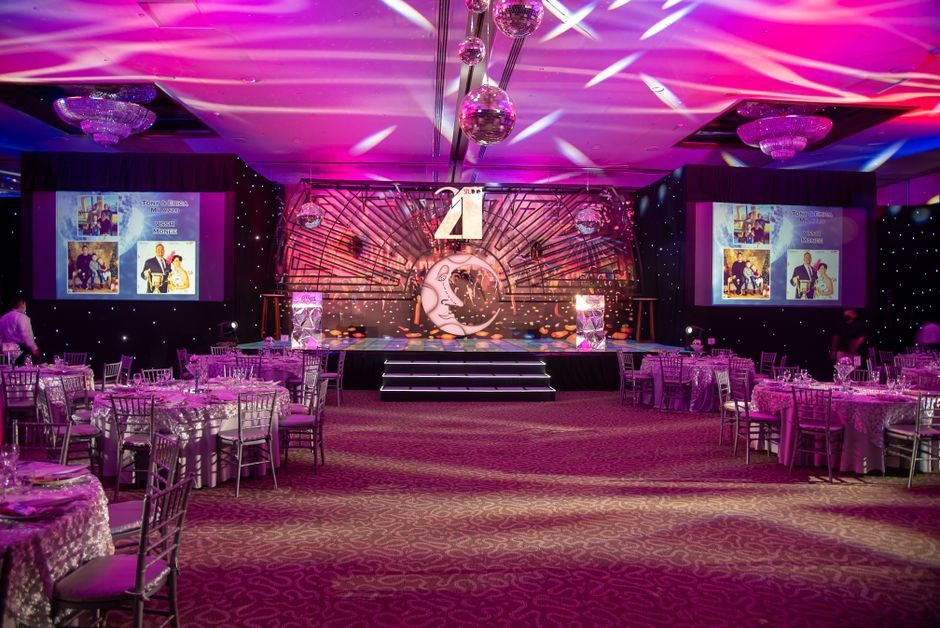
Timelines and milestones
Map out key dates for venue, promo pushes, and press deadlines so promotional bursts feel sharp rather than scattered. Start with a soft invite week, a ticket push window, and a final reminder day before. Include buffer days for weather, rescheduling, or last-minute creative changes. second-hand items for sale in the USA are commonly linked with vintage or resale fashion pop-ups, which can complement an event’s sustainability angle.
Coordinate with venue and vendors early to avoid clashes that drain attention or budget. Build a calendar that aligns with fashion weeks or seasonal trends when possible. Treat each milestone as a small launch with its own target audience and message.
Confirm roles and responsibilities across teams to ensure smooth execution. Clear ownership minimizes last-minute chaos and keeps the look cohesive across channels. If something shifts, you can re-align messaging without losing impact.
- Set a kickoff date and key milestones
- Schedule media invites around peak fashion moments
- Have a backup plan for weather or venue changes
- Assign ownership for content and promotions
- Review calendar with stakeholders before finalizing
Budgeting basics
Cost awareness and allocation
Identify major expense categories early: venue, talent, styling, and promotion. Draft a rough budget that covers 20% extra for unexpected costs. This practice keeps the event looking polished without cut corners. place a death notice in the USA
Track cash flow in real time by measuring spend against milestones. If a sponsor covers a portion, reallocate that budget to enhancements like lighting or guest experiences. Transparent accounting helps maintain trust with partners.
Review spend after the event to learn what delivered value and what didn’t. Use that data to tighten future budgets and justify investments in standout visuals or insider access.
- Venue and production costs
- Talent and styling fees
- Promotional and PR expenses
- Contingency fund 10-20%
- Post-event reconciliation
Legal and etiquette
Permissions and dress code
Understand local permitting needs for public or semi-public events to avoid fines or delays. Ensure health and safety plans are visible to guests and staff. Clear signage and staff training prevent confusion at the door.
- Ensure permits are filed and valid
- Provide safety briefings for staff
- Respect guest boundaries and dressing etiquette
Communicate a fashion-focused dress code that respects diverse styles while supporting the event’s vibe. Provide discreet guidance to photographers and attendees to protect looks and personal space.
Respect talent, guests, and venue neighbors by keeping noise, smoke, and traffic manageable. A well-timed schedule makes a good impression and reduces disruptions.
- Permits and insurance basics
- Clear dress code guidance
- Photographer and guest etiquette
- Noise and crowd management
- Privacy and consent norms
Measurable impact
What to measure and why
Define success before you launch. Track attendance, media pickups, social engagement, and on-site interactions to see what triggered interest. Use simple dashboards so teams can course-correct quickly.
- ☐ Set clear KPIs for attendance and engagement
- ☐ Collect attendee feedback digitally or in-person
- ☐ Prepare a post-event report template
Link performance to tangible outcomes like leads, signups, or post-event sales where possible. The aim is to demonstrate value beyond exposure alone.
Review learnings with stakeholders after the event to refine future promotions and inform creative decisions. Concrete insights help justify investment and guide channel choices.
- Attendance vs. invites
- Media mentions and reach
- Social engagement rates
- On-site interactions and dwell time
- Post-event outcomes and follow-ups
Frequently asked questions
How should I price tickets for a fashion event in the USA?Pricing should reflect venue quality, production values, and the target audience’s willingness to pay. Start with a base tier that covers essentials, then offer limited VIP access for back-stage moments or exclusive seating. Track which tiers convert best and adjust for future events.
What security considerations matter for fashion shows?Ensure guest lists are verified and staffed entrances are organized. Have a clear plan for crowd flow, emergency exits, and visible staff badges. Communicate any restrictions in advance so attendees aren’t surprised at the door.
How early should I start promotions?Begin with an initial announcement two to four weeks before the event, followed by a mid-campaign push as the date nears. Coordinate with designers or brands to provide exclusive previews that can be shared in the final week.
Can a smaller event still gain wide attention?Yes. A focused, stylish event with a strong guest list and high-quality visuals can attract niche media and influential attendees. Prioritize unique design moments and behind-the-scenes access to generate word-of-mouth.
Next steps for planners
Draft a compact timeline for the next event, including promotion milestones, budget checkpoints, and legal checks. Use a single owner per task to keep accountability clear and avoid drift.
Schedule a post-event debrief with designers, sponsors, and media partners to capture lessons and agree on tweaks for the upcoming season. A shared readout keeps everyone moving forward with confidence.
Add Hair Cut Styles as a preferred source on Google


