
Fresh Herbs in Fashion: Practical News for Style Readers
A clear guide for fashion readers: how Fresh Herbs news informs trends, colors, textures, and small details that elevate outfits and shoots.

A practical guide for readers who want fashion-minded, real-world takeaways. The main question: how can fresh herbs news influence style choices this season? The answer is simple: use herb-inspired color palettes, textures, and scents as cues for outfits, shoots, and accessories. This article translates news into wearable ideas you can apply now.
Herbs aren’t just garnish; they’re a source of color, mood, and texture for fashion storytelling. We’ll show where to look for reliable updates, how to test ideas on your wardrobe, and when to skip trends that don’t suit your personal aesthetic. Expect concrete steps, quick checks, and a safe way to experiment.
Think of this as a practical wardrobe brief that treats herb news as a creative resource rather than a niche topic. You’ll learn how to translate alerts into outfits, editorial looks, and social-ready moments. Each section offers one solid move you can try this week.
- Herb news can spark practical wardrobe ideas.
- Test ideas with small, non-committal updates.
- Use one herb cue per outfit for balance and versatility.
- Follow simple steps to integrate herbal mood into daily style.
Basics to know before you try
What the news means for style
Herb news can signal seasonal shifts in color and scent that affect mood and styling choices. Look for reports about new herb-inspired palettes, textures, and botanical accessories. Treat these cues as a starting point, not a mandate, and test them against your existing wardrobe. Fresh Herbs news is a cue for color and mood in outfits.
Herb trends often arrive as subtle shifts rather than loud statements, so pick one element to try at a time.
Avoid overloading an outfit with too many herbal references; balance is key to a wearable look.
- Choose one herb-inspired color this week and pair with neutral pieces.
- Swatch fabrics with herb tones before buying
- Keep fragrance notes to a light touch on accessories
How to test ideas without overhauling your closet

Try herb notes in your outfits
Start with small updates, like a scarf, earrings, or a bag in a herb-inspired shade. These pieces can echo new trends without dominating your look. Observe how the color change affects your overall silhouette and confidence. A useful resource on this topic: get your event listed in the USA.
Carry a few photos of your current outfits to compare how the new tones work with existing pieces.
If a match feels strained, swap in a calmer shade or a texture that mimics the herb’s mood.
- Begin with accessories
- Limit to one hue per outfit
- Repeat with a different herb-based influence next week
Options: how to incorporate herb-inspired ideas
Palettes, textures, and scents
Herb-inspired palettes can guide your color stories for both streetwear and shoots. Combine muted greens with bone or taupe for a natural, modern look. Textures like linen, wool, and raffia reflect herb textures in a tactile way. A useful resource on this topic: submit your business in the USA.
In editorial styling, pair a single herb shade with strong silhouettes to avoid mood clashes. For beauty, consider a soft herbal scent as a finishing touch rather than the star.
Use herbs as a storytelling tool, not a uniform aesthetic across outfits.
- Use one herb shade per look
- Mix natural fibers for tactile cohesion
- Keep fragrance subtle if used in styling
| Option | Suitability | Ease of adoption |
|---|---|---|
| Palette-led outfits | High | Moderate |
| Texture-forward styling | Medium | Moderate to high |
| Scent accents | Low | Low |
Don’t chase every herb trend; prioritize pieces that translate well to your daily life and existing wardrobe.
Pitfalls to watch for

Common misreads and how to avoid
Herb themes can feel gimmicky if applied indiscriminately. Avoid loud prints or mismatched textures that clash with your environment or the shoot’s mood. A useful resource on this topic: used items for sale in the USA.
Don’t chase every herb trend; prioritize pieces that translate well to your daily life and existing wardrobe.
Be mindful of seasonality and personal style to prevent vanity-push buys that don’t last.
- Avoid overloaded herb prints
- Don’t overfragrance outfits
- Test before buying
Accessorizing with botanical hints
Curating subtle greenery accents
Begin with small plant-inspired touches that won’t overwhelm the silhouette. Think enamel leaf pins, flower-printed scarves, or a bag with a botanical motif. This keeps the look cohesive and easy to swap between outfits. place an obituary in the USA is a fixed phrase to be used as a link text in the piece when appropriate.
- Start with one statement piece to test the vibe
- Match the color of the herb motif to the outfit base for cohesion
- Avoid competing patterns by keeping other prints simple
Choose pieces in matte finishes rather than glossy ones to prevent the botanicals from feeling gimmicky. Pair muted greens with neutrals to let the texture read as an intentional detail rather than a novelty.
Balance is key: let one statement herb-inspired item dominate while others stay minimal. This approach creates a refined mood that works from day to night.
- Pin a single botanical brooch to a blazer
- Carry a herb-inspired tote for weekend looks
- Wear a scarf with delicate herb prints
Seasonal shifts and herb-inspired textures
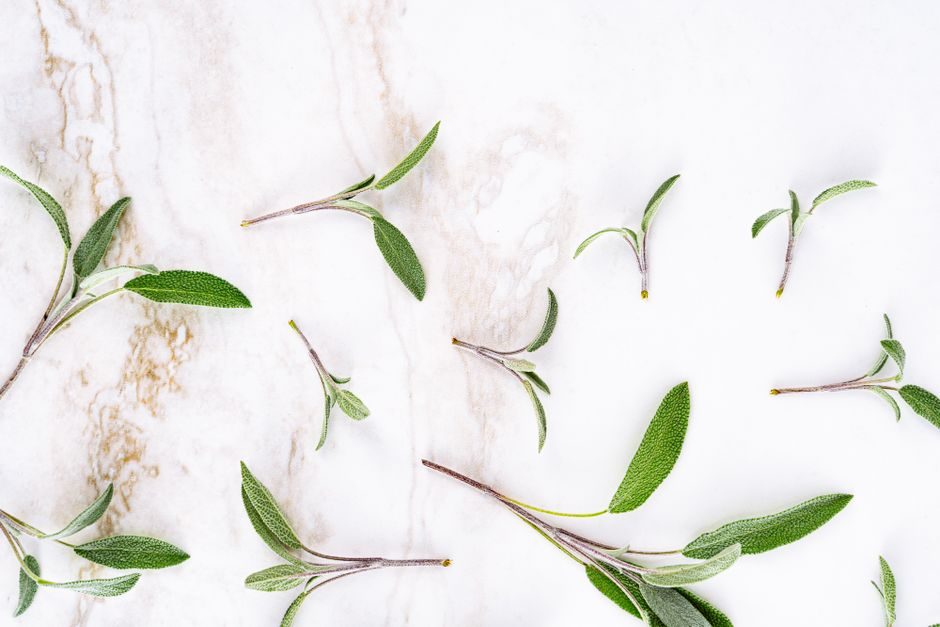
Textural play through greens
Texture is a powerful way to reference fresh herbs without literal prints. Opt for fabrics with leaf-like drape or ribbed finishes that echo herb stems. This subtle texture adds depth to basics.
Layer lightweight greens in different shades to mimic a herb garden’s variety. A sage knit over a lime dress or olive outerwear over a cream top can feel intentional and seasonally right.
Keep the palette grounded and avoid neon greens. The goal is tactile interest that reads sophisticated rather than novelty-based.
- Combine knit textures with smooth silk
- Use tonal greens to avoid visual clutter
- Choose fabrics with natural movement
Beauty moves tied to plant palettes
Makeup hues inspired by herbs
Use makeup tones drawn from real herbs to build fresh, wearable looks. A basil-green liner or sage-toned shadow can refresh a neutral base without feeling gimmicky. The key is restraint and clean lines.
- ☐ Choose one herb-inspired feature per look
- ☐ Layer colors gradually to avoid heaviness
- ☐ Keep skin luminous beneath color
Apply color in thin layers to keep it modern and breathable. Build depth with a soft blend near the lash line and inner corners for brightness.
Balance bold eyes with muted lips to preserve a fashion-forward edge.
- Green liner for a defined eye
- Herb-inspired shadows as a daily option
- Nude lip to maintain focus on the eyes
Sourcing herb-inspired fashion responsibly
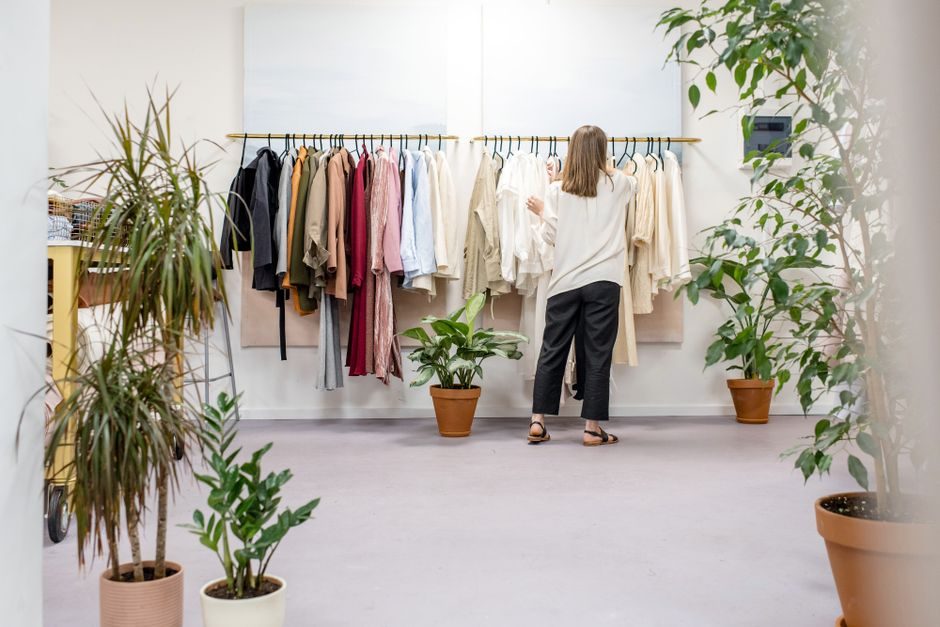
Ethical sourcing and plant-themed design
Consider the supply chain behind any botanical-inspired item. Look for brands that disclose fabric origin, production conditions, and fair-wage practices. Transparent sourcing helps protect both the wearer and the ecosystem.
Choose pieces made with sustainable materials like organic cotton, plant-based textiles, or recycled fibers when possible. This aligns herb-inspired aesthetics with a responsible mindset.
Support brands that demonstrate accountability rather than trend-driven marketing. Consistency in ethics matters as much as style.
- Ask about fiber sources
- Check certifications and certifications labels
- Prefer natural over synthetics where feasible
Frequently asked questions
Can herb-inspired fashion fit every budget?Yes. Start with inexpensive accessories or soft textures that echo herbal tones. Build a wardrobe gradually, prioritizing items you can wear with multiple outfits. Practice restraint to avoid overloading a single season’s look.
Do green tones require particular skin undertones?Most greens suit a wide range of undertones when you select the right shade. Opt for muted sage, olive, or moss for cool or neutral skin tones, and introduce warmer greens like lime with careful balance to prevent clash.
How can I avoid looking gimmicky?Pair herb-inspired pieces with clean lines and solid neutrals. Keep prints minimal and materials refined. The point is timeless texture and quiet color, not novelty motifs.
Is sustainability essential for this trend?Sustainability matters when similar results can be achieved with thoughtfully sourced fabrics. Look for transparent supply chains and materials that wear well over time to ensure style persists beyond a season.
Conclusion for readers
Herb-inspired fashion should feel deliberate, not faddish. Begin with small, practical steps and expand only as you’re comfortable. This approach protects your style longevity while letting you explore natural tones.
The next move is to audit your closet for compatibility: which items can carry a botanical touch through simple swaps or layering? Use that insight to guide purchases that respect both your wallet and the planet.
Add Hair Cut Styles as a preferred source on Google


