
From Runway to Local: How to Publish Your Duxbury Events with Style
A clear guide for fashion lovers: how to share local events in Duxbury, why it matters for styling, and practical steps to publish smoothly.

A strong calendar of local happenings can sharpen a fashion reader’s eye for what’s new, available, and timely. This piece explains how to publish local events in Duxbury without stepping outside the style beat, and why it should matter to your wardrobe and weekend plans. You’ll learn practical steps, smart timing, and a framework to keep content polished and useful.
First, we’ll lay out the basics of getting an event into public view, then show how to tailor the write-up so it resonates with fashion-minded readers. Expect concrete steps you can take this week, from formatting tips to community-friendly phrasing that respects the site’s aesthetic. Finally, we’ll map online paths that connect events to outfits, photos, and street-style moments.
New readers and seasoned fashion followers alike benefit when event notices feel curated, not cluttered. This article keeps the focus on readability, usefulness, and a sense of local style. By the end you’ll have a simple plan to share events that look as polished as a well-styled outfit.
- Publish events with clear essentials and a fashion-friendly angle.
- Tailor summaries to wardrobe planning and style inspiration.
- Keep formatting clean and channel-appropriate to maximize reader engagement.
Basics of listing local events
Publish event basics
Start with essential details: what, when, where, and why it matters to fashion lovers. Include a short description that ties the event to style—think pop-up shops, trunk shows, or designer talks. Use concise, city-friendly language so readers quickly grasp relevance. publish local events in Duxbury
- Keep it concise and targeted to fashion readers
- Always include date, venue, and RSVP link
- Link events to style relevance for readers
Provide a clean title and a date stamp to avoid confusion, and add a link or QR code for RSVP or tickets. Include a high-level takeaway about what makes the event worth attending for a fashion audience. Keep paragraphs tight and actionable.
Highlight accessibility and practical notes like dress code, parking, or transit options so readers can plan without friction.
- Event title, date, venue
- Why it matters for fashion
- RSVP or ticket link
- Dress code and accessibility
- Closest transit tips
This sub-section focuses on the mechanical steps of getting an event into the calendar. It covers using a clean, consistent format, choosing a photo, and writing a 3–4 sentence summary that aligns with the site’s voice. Concrete examples show how a trunk show should read more like a mini style note than a generic listing. Readers learn to avoid clutter and misfiled posts.
Consistency is key: standardize fields such as title, date, venue, and category. A short, stylish teaser helps readers decide quickly whether to click through. End with a single call to action, such as “RSVP here.”
How to tailor your write-up for style readers
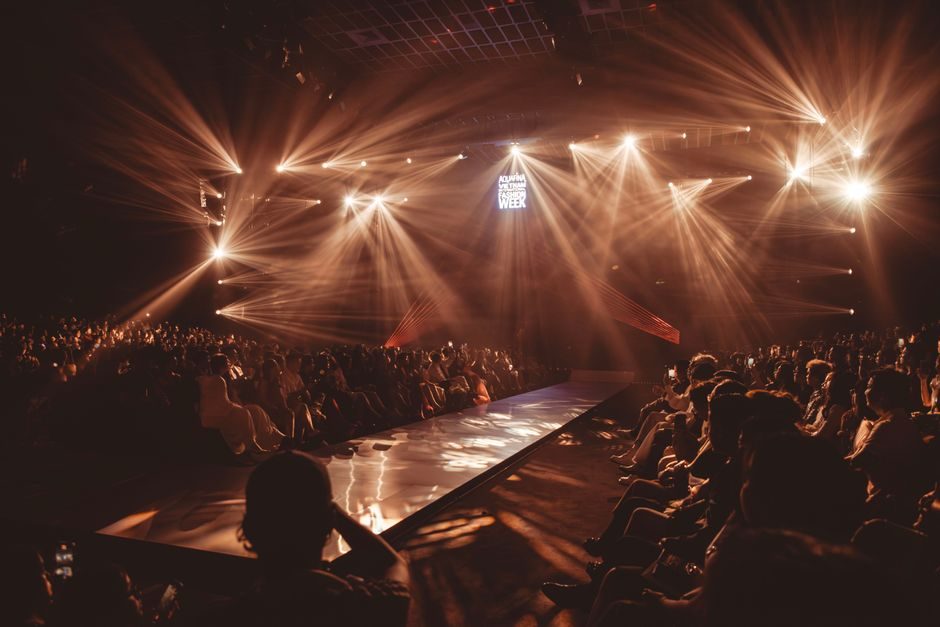
Style-focused summary
Begin with a sentence that connects the event to a wardrobe or trend moment. Describe how attendees might dress for the occasion or what look the event inspires. Keep the tone chic, precise, and useful rather than promotional. Duxbury News website
Include practical details that matter to fashion lovers, like backstage access, limited-edition items, or collaborations. Use vivid but concise language that paints a visual scene. Avoid generic phrases and aim for specificity.
Finish with a crisp takeaway: what this event adds to a reader’s personal style or shopping map.
- Connection to fashion trend
- Practical details of interest
- Vivid, precise descriptions
- Clear takeaway for readers
This section shows how to weave reader benefits into the post. It demonstrates how to reference outfits, color stories, and accessories that pair with an event. Provide a brief photo caption idea that supports the post visually. The goal is a coherent piece that feels editorial, not merely informational.
Offer a quick checklist to ensure every listing reads like a fashion note: date, venue, dress code, accessibility, and a line about styling potential. Give readers one or two prompts to picture themselves at the event with their latest purchase or upcoming wardrobe refill.
Close with a reminder that visuals and clarity keep readers engaged.
Where to feature: channels and formats
Publish across channels
Choose channels that align with fashion readership: the main site, a community board, and social snippets. Each channel needs a tailored version: longer for the article, snappy for social, compact for a newsletter. This avoids content fatigue and keeps the message fresh. register your company in Duxbury
Use thumbnail images and captions that feel editorial, not generic flyers. Consistency across channels reinforces brand style and reader trust. Prioritize formats that readers can skim quickly.
- Editorial article version
- Social-friendly edits
- Newsletter snippet
- Editorial thumbnails
| Option | Pros | Cons |
|---|---|---|
| Long-form write-up | Great detail; strong editorial voice | Takes longer to publish; risk of clutter |
| Short teaser plus link | Fast, shareable | Less depth on styling connections |
| Photo-led post | Immediate visual appeal | Requires good images and captions |
The second sub-section covers the practical publishing steps: tagging, categorization, and the visuals that accompany an event. It explains how to select a hero image and a few supporting shots that illustrate style potential. The text should invite readers to imagine the event as part of their wardrobe planning.
Provide a simple checklist for publishing: optimize alt text for accessibility, ensure the event is searchable by key terms, and confirm all links work. The goal is a publish-ready post that feels polished and gives readers a sense of motion and excitement.
Close with a reminder to test readability on mobile and desktop, ensuring the layout holds up across devices.
Another pitfall is overloading the reader with technical details or sponsor notes.
Ethical and practical pitfalls to avoid

Common missteps
The most frequent error is vague descriptions that don’t tie to fashion relevance. Readers skip posts when the value isn’t clear. Be specific about who benefits and what the experience offers, from fittings to limited editions. Duxbury classified ads
Another pitfall is overloading the reader with technical details or sponsor notes. Prioritize readability, and keep promotional language honest and concise. No need to promise things that aren’t true.
- Unclear relevance to readers
- Too many promotional phrases
- Missing key details about access or pricing
Tips for integrating user-generated event tips
Encouraging authentic submissions
Invite readers to share their own event tips with concise prompts and clear guidelines so submissions stay on brand. Normalize photo-heavy posts that showcase outfits, venues, and mood to keep the feed visually cohesive. Offer a simple form and a quick review process to maintain quality without slowing momentum. Duxbury obituaries
Readers often contribute when they see real-life examples. Highlight a few standout tips in a weekly roundup to build community and trust. This approach reduces the editor’s load while preserving editorial voice.
Provide constructive feedback to contributors, focusing on clarity, relevance, and styling cues. Acknowledge contributions with a short note or badge to encourage ongoing participation.
- Provide a simple submission form
- Ask for event date, location, and dress code
- Request a high-quality photo of the venue
- Give a 60-word style-focused caption
Moderation that preserves style
Establish a lightweight moderation rubric that focuses on relevance, legality, and photo quality. Remove tips that are vague or off-brand and offer a brief, constructive rewrite when possible. A consistent standard keeps readers trusting the channel.
Moderation should be fast but thoughtful, ensuring captions mention outfits, color palettes, and accessories. This helps readers imagine how the event would fit into their own wardrobe. Avoid over-editing or censoring solid ideas.
Create a quick template for approved tips so contributors know what to aim for and editors can process entries efficiently.
- Set clear style guidelines
- Provide a rewrite option
- Use a consistent review checklist
Seasonal fashion events calendar ideas
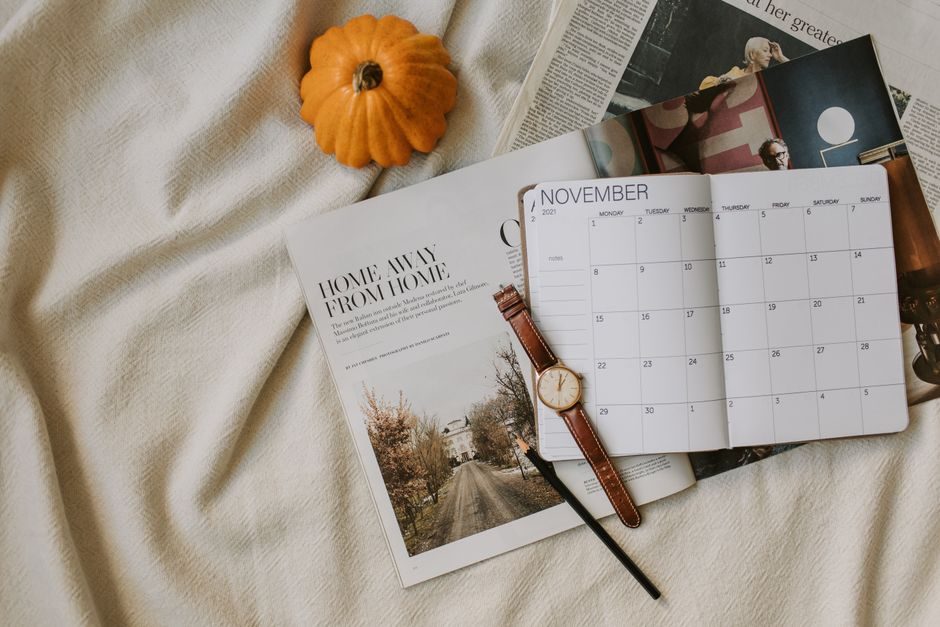
Curate quarterly themes
Structure the calendar around seasonal fashion interests like streetwear layers in fall or lightweight fabrics in spring. Align event listings with local pop-ups, trunk shows, and charity fashion benefits to keep content timely. This helps readers plan outfits that fit upcoming weather and moods.
Offer a short monthly calendar block that highlights key events and suggested outfits. A single, well-curated item per event makes the list scannable and useful. Readers gain a sense of anticipation without information overload.
Provide a quick note on color trends or textures that pair well with each season’s events, helping readers visualize cohesive ensembles.
- Fall layering pop-ups
- Spring fabric previews
- Winter accessory markets
- Summer outdoor runs
Duxbury obituaries as mood boards
Even when not a news item, obituaries related to local figures or venues can inspire fashion moments, like vintage-inspired tributes at a gallery opening or a retrospective at a boutique. Frame these events with styling cues and color stories that echo the mood. Keep it tasteful and relevant to readers’ interests.
This is not about dwelling on loss but about capturing the cultural memory that informs style choices. Link the tone of the event to fashion history and contemporary wear. Readers see how memory translates into modern silhouettes.
Offer a short sidebar on how to respectfully observe local milestones while staying fashion-forward.
Cross-promotion with local shops
Partner before you publish
Reach out to nearby shops before posting events to align messaging and visuals. A coordinated effort ensures that the venue’s decor, dress code, and product displays echo the listing. Readers benefit from consistent styling cues that feel native to the town.
Provide a simple template for shop partners to submit details, including photos of window displays or staff styling ideas. This minimizes back-and-forth and speeds publication.
Keep sponsorship disclosures clear to maintain trust while preserving a high-fashion tone.
- Coordinate visuals with shop layouts
- Agree on which photo angles to use
- Set a publish date together
Highlight product pairings
Suggest outfits that align with the event’s theme and the shop’s inventory. A well-chosen pairing helps readers picture how to recreate the look using local pieces. Avoid generic styling; aim for location-specific flavor that feels plausible and fresh.
Include a few caption ideas that describe how each item fits the event mood and setting. This saves time for both editors and readers.
Track performance of posts that link to shop items to refine future recommendations.
- Create themed looks
- Mention color palettes
- Offer practical styling tips
Maintaining a clean, stylish event archive
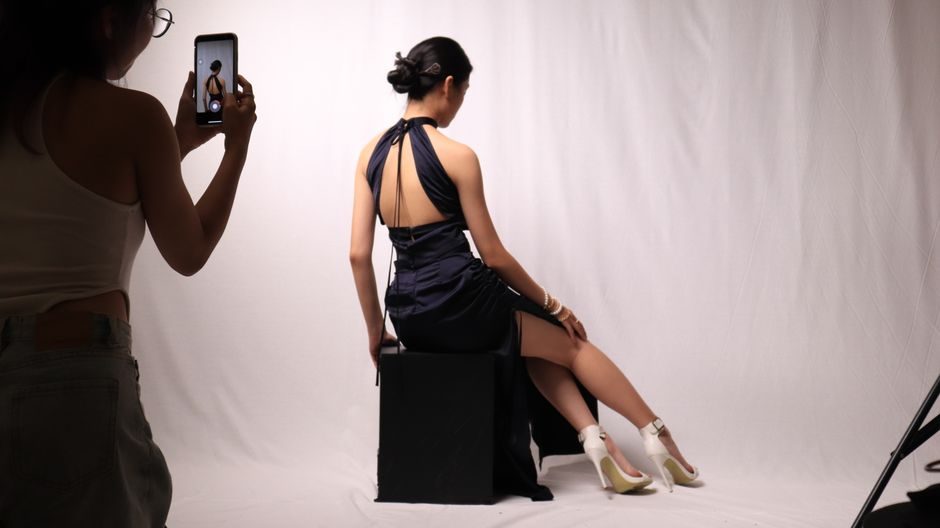
Organize by season and venue
Create a simple taxonomy for past events: season, venue type, and dress code. A tidy archive helps readers discover older listings that still feel relevant to current style decisions. It also makes it easy to reference recurring events.
- Maintain consistent tagging
- Archive should be easy to browse
Implement a light tagging system so readers can filter by color, accessory focus, or silhouette. This improves usability and keeps the site looking polished.
Regularly prune outdated items to avoid clutter and maintain a confident, current aesthetic.
- Seasonal filter
- Venue and mood tags
- Regular clean-up schedule
Accessibility and visual consistency
Ensure captions are concise and descriptive, aiding readers who skim. Use uniform image sizes and editorial tone so the archive feels cohesive. A clean visual rhythm invites longer reads and repeated visits.
Provide alt text for all images to support accessibility and searchability. Clear, simple descriptions help all readers understand the event’s vibe and fashion cues.
Review the archive quarterly to keep the library aligned with evolving style narratives.
- Consistent image sizing
- Descriptive captions
- Quarterly audits
Frequently asked questions
How do I decide which events to publish?Choose events that offer a clear styling angle, whether it’s a dress code, a theme, or a local collaboration. Prioritize venues that visually support outfits readers can emulate, and verify practical details like date and location before posting.
What makes a listing visually strong for readers?Use clean, well-lit photos that show key fashion moments: outfits, accessories, and the venue. Pair images with brief captions that explain why the look works for that event and how to recreate it with local pieces.
How often should I update the calendar?Aim for a steady cadence—weekly rounds keep readers informed without overwhelming them. Update the calendar with fresh events and prune outdated ones to preserve a current feel.
Can local shops sponsor listings?Yes. Establish a clear value exchange where shops contribute visuals and styling ideas that fit editorial standards. Ensure sponsorship disclosures are transparent while preserving the page’s fashion-forward voice.
A fashion-forward approach to local listings
Treat local events as micro-editions of a seasonal story, with styling cues and a clear mood. This keeps readers engaged and makes the calendar feel essential, not optional. The next step is to sync with a few trusted venues for consistent visuals and timely updates.
Use this framework to transform ordinary listings into editorial moments readers anticipate. Build a routine for submissions, visuals, and cross-promotions so each post feels deliberate and stylish. Now, identify two nearby venues and propose a joint calendar for the month ahead.
Add Hair Cut Styles as a preferred source on Google


