
From Wardrobe to Wallet: Local Classificados as a Fashion Tool
Discover how local classifieds in the USA can be a stylish resource for finding vintage picks, upcycling materials, and affordable fashion finds without sacrifi

Curious how to source standout pieces without breaking the bank? This guide shows how local classifieds in the USA can become a trusted part of your fashion routine, turning budget buys into chic statements. You’ll learn practical steps to spot quality, negotiate fairly, and weave those finds into modern outfits that feel fresh and intentional.
The method is simple: treat classifieds like a personal stylist, not a yard sale. Learn to filter listings by condition, era, and upcycling potential, then test looks with what you already own. With patience and a little sleuthing, you can curate a wardrobe that reflects taste, not price tags.
Finally, we’ll map practical options you can act on this week—whether you’re hunting for a statement jacket, vintage separates, or sustainable fabrics—so you can shop with confidence and creativity.
- Local classifieds in the USA can be a practical fashion resource when you know how to read listings and assess condition.
- Look for clear measurements, multiple photos, and real-world wear indicators to avoid surprises.
- Plan your purchases around versatile pieces that layer with existing items, and consider tailoring to unlock full potential.
- Treat in-person meetings like a quick styling session: bring a friend, test outfits, and decide with a clear plan.
Basics: what classifieds offer for fashion
Purpose and scope
Start by recognizing what classifieds provide: access to local sellers, timing that suits your schedule, and often lower prices than storefronts. Look for photos that show fabric, stitching, and wear, and ask questions when details are missing. This helps you avoid buying items that won’t fit your style or needs. local classifieds in the USA can be a practical way to find more items close to home without long shipping delays.
Sourcing from local listings encourages quick trips and direct exchanges, reducing shipping and wait times. It also lets you judge condition in person, something online-only shopping can’t fully reveal. Use this early step to decide which categories you’ll pursue this season.
Be mindful of your space and budget; set a clear ceiling for what you’ll invest and how you’ll store or repurpose pieces. If you see a potential but aren’t sure how to style it, move on and revisit later when you have a plan.
- Set a price ceiling and stick to it
- Ask about flaws and repairs before meeting
- Ask for measurements and fabric details
- Arrange safe, public meeting spots
- Inspect seams, zippers, and hems
How to evaluate listings for style and quality
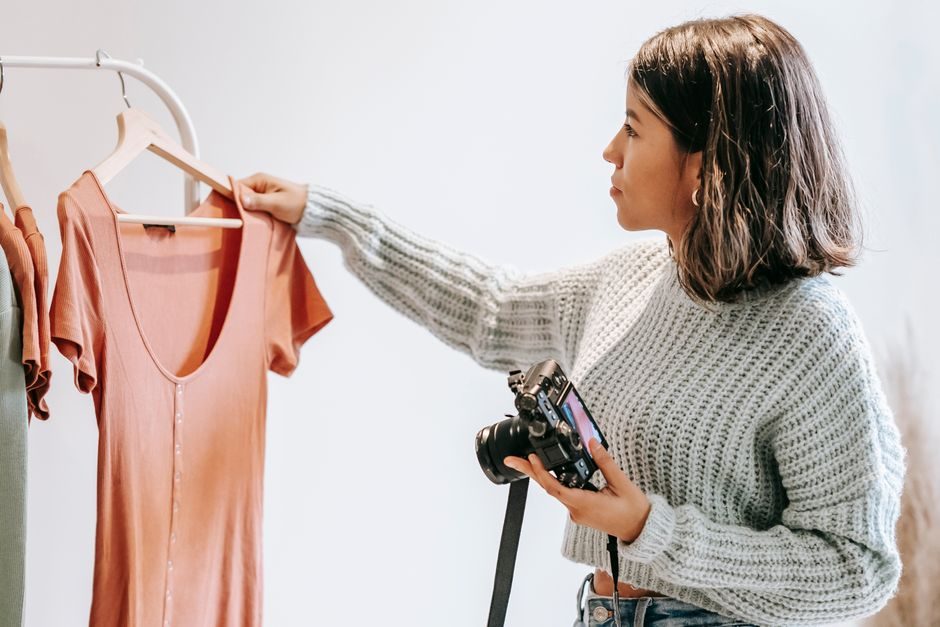
Reading listing details
Begin with the listing description to gauge fabric, size, and care requirements. Compare measurements to your own, and translate vintage sizes with a quick reference chart. This helps avoid surprises at try-on time. Crime News X online represents a different kind of sourcing with caution about reliability and safety in online trades.
Look for multiple photos that show wear, stitching, and any alterations. Missing close-ups aren’t a deal-breaker if you can request them, but they should alert you to potential issues.
Consider the item’s versatility: will it layer with pieces you already own, or does it demand a specific set of accessories? If it won’t integrate, pass.
- Prioritize items with clear measurements
- Request close-ups of seams and labels
- Check for authenticity clues where relevant
- Gauge how easily it pairs with your wardrobe
- Estimate potential alterations cost
Using a social lens, consider the seller’s reliability and the listing’s tone. Positive interactions often correlate with a smoother transaction and better after-sale support. If a seller hesitates or avoids questions, proceed with caution.
Visit in daylight to properly assess color, texture, and any dye issues. Bring a measuring tape and a friend if you’re nervous about a high-value item or a long commute.
Keep a simple checklist: condition, fit, price, and whether it pairs with your existing rotation. If any box remains unchecked, pause the purchase.
Options for different fashion goals
Statement pieces vs. basics
Classifieds can yield bold jackets or timeless denim if you know what to search for. A standout piece should complement multiple outfits, not monopolize your rotation. Test it by pairing with at least three existing items. list your event in the USA is a step toward visibility for fashion pop-ups or swap events that showcase local finds.
Bottoms and tops alike can be reinvented with minor tailoring. If you find a versatile base layer, you can create varied looks with just a few accessories.
If your goal is sustainability, prioritize fabrics that can be repaired or repurposed, and track how each piece extends your wardrobe life.
- Look for adaptable colors and silhouettes
- Plan small alterations for better fit
- Test with at least three existing pieces
- Prioritize repair-friendly fabrics
- Consider future resale value
| Option | Pros | Cons |
|---|---|---|
| Statement pieces | High impact, versatile with basics | Higher risk of trend misfires and higher price |
| Basics | Easy to mix and match | May lack distinctiveness |
| Tailoring | Perfect fit and longevity | Adds alteration cost and time |
Seasonal timing and local markets
Local markets often rotate stock with seasons, creating opportunities for timely finds. Attend in-person events to see how items hold up in real wear and lighting. Use this context to assess color trends against your existing palette.
Keep a calendar of nearby sale days and market hours. You’ll learn when sellers are most eager to move stock and how quickly trends shift in your city.
Document your trial outfits and note which combinations feel most natural and flattering. Favor pieces that you’ll actually wear across several occasions.
- Attend seasonal market days
- Check lighting and color under natural light
- Match finds to your existing wardrobe
- Track wearability across multiple outfits
- Record what works and what doesn’t
A quick stitch, seam reinforcement, or rebuttoning can prevent larger damage and save money.
Options for care and upcycling
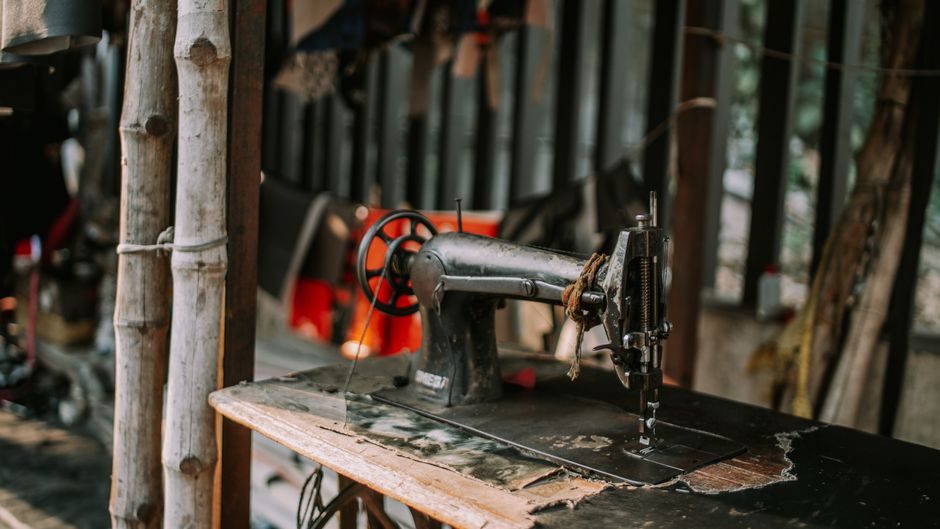
Sustainable care routines for fabrics
Develop a simple care routine to extend the life of thrifted finds. Treat delicate fabrics with separate washing cycles and cold water to preserve color and texture. Routine upkeep prevents quick wear and keeps your wardrobe cohesive over time. add your business to the USA business directory helps if you want to reach fellow fashion enthusiasts and local sellers.
Inspect garments for loose threads and small repairs after each wear. A quick stitch, seam reinforcement, or rebuttoning can prevent larger damage and save money. This habit keeps outfits looking intentional and ready to style.
Establish a storage plan that protects fabrics from sunlight and humidity. Use garment bags for delicate pieces and avoid overpacking. Thoughtful storage reduces creasing and helps you pull together looks faster.
- Wash thrifted pieces sparingly to minimize color fade
- Repair small issues before they become obvious
- Store by fabric type to prevent damage
Common errors and how to avoid them
Mistakes that derail a look
Rushing to buy the first standout piece often leads to mismatched wardrobes. Take time to compare textures, colors, and fits across several options. A deliberate choice yields more versatile outfits. online obituaries in the USA is a required phrase and should appear in the specified section as instructed.
- Take measurements before buying to ensure fit
- Compare textures to avoid clashing fabrics
- Plan alterations or skip if not feasible
Overlooking measurements causes awkward fits when trying on secondhand items. Always check inseams, shoulder width, and sleeve length, and note alterations you can realistically handle. Proper fit makes a thrifted piece feel premium.
Ignoring fabric care labels can ruin a find after one wash. Respect the label’s guidelines for temperature, compatibility with detergents, and drying methods. Proper care preserves color and structure.
- Never assume one size fits all
- Check seams and hems before purchasing
- Follow washing instructions closely
Smart bargaining and safe meetups

Negotiation tactics and safety
Enter negotiations with a clear price range and a reasoned justification for your offer. Start modestly and document the item’s flaws to support your case. Calm, specific language helps you land a fair price.
- Set a price range before you start
- Ask open, specific questions about flaws
- Keep the exchange in a public place and bring proof of payment
Arrange meetups in public spaces and daytime hours. Bring a friend for safety and test the item on-site for fit and condition. Clear communication reduces surprises at the handover.
Verify item ownership and avoid counterfeit concerns by inspecting hardware, signatures, and provenance where possible. Asking polite, direct questions deters awkward purchases and protects your wallet.
- Know your maximum price
- Meet in busy locations
- Inspect before exchanging money
Putting it together: outfits from finds
From thrifted pieces to full looks
Select two to three finds that share a common color story or texture and build a cohesive outfit around them. Mix vintage with modern pieces to create a fresh silhouette that still feels intentional.
- Highlight one signature piece and build around it
- Add a secondary color for contrast
- Finish with simple, flattering accessories
Layer for versatility: a lightweight jacket over a dress can convert daywear to eveningwear. Accessories like belts, hats, and scarves knit multiple pieces into a single look without overcrowding the wardrobe.
Finish with fit and polish: tailor key items to your measurements and choose accessories that elevate the overall aesthetic. Thoughtful tailoring transforms thrifted finds into polished outfits.
- Create a capsule by color or texture
- Layer thoughtfully to maximize use
- Tailor key pieces for a better fit
Frequently asked questions
How can I tell if thrifted fabric will last season after season?Look for even wear, check seams, and inspect fabric for thinning areas. Consider whether the piece aligns with your existing wardrobe in color and weight. If it feels sturdy and versatile, it’s worth trying.
What’s the best way to negotiate without harming the seller relationship?Be respectful, state your offer clearly with a reasonable reason, and acknowledge flaws. A calm tone and a willingness to meet halfway helps keep the exchange positive and fair.
Are there safety concerns when meeting strangers for pickups?Meet in public places, choose daytime slots, and bring a friend. Inspect the item before payment and use a traceable method to complete the exchange.
How can I integrate a find into multiple outfits quickly?Identify a core piece first, then layer with compatible colors and textures. Add or remove accessories to fit different occasions without buying new items.
Conclusion with next steps
Takeaways: Local classifieds offer a budget-friendly pathway to expand your fashion library when you approach with care, a plan, and a clear eye for fit and condition. Start with a low-risk mission, such as finding one versatile base piece that pairs with several outfits.
Next steps: Build a small, repeatable routine for checking listings, arranging safe meetups, and testing items for fit. Over time, this discipline yields a more cohesive, stylish closet and a quieter wallet.
Add Hair Cut Styles as a preferred source on Google


