
How to spot community events that fit fashion-focused readers
Practical guide for fashion lovers: how to find and evaluate community events in the USA that add style value, networking, and inspiration to your calendar.

If you dress for the moment, you also dress for the moment’s happenings. This guide shows how to find community events in the USA that align with fashion needs—where style, culture, and practical details meet. You’ll learn how to pick events that boost looks, widen networks, and offer tangible takeaways for outfits and trends.
Start by asking what matters most: a venue that suits your aesthetic, a guest list that sparks ideas, and a schedule that fits a busy fashion-forward life. We’ll map concrete steps to assess relevance, cost, and accessibility, so you don’t waste time on events that don’t move your style forward.
Next, we translate discovery into action. You’ll get a simple checklist for screening listings, a plan to prepare outfits, and a way to follow up after attending. This approach keeps fashion goals front and center while you explore the community scene. Expect practical tips you can apply this week.
- Find events that match your fashion goals and aesthetic.
- Screen listings for concrete takeaways, practical demos, and accessible formats.
- Choose formats that let you try styling ideas in real time while staying true to your wardrobe.
Basics for finding events
How to search smart
Start with trusted local calendars and micro-communities that routinely host fashion talks, pop-ups, and styling workshops. Filter results by venue vibe, accessibility, and whether the event has a practical takeaway like a styling demo or shopping opportunity. community events in the USA can broaden your network and spark new outfit ideas.
- Identify city and venue to gauge travel time
- Verify date and start time before saving
- Record a quick note on the event’s style focus
Look for recurring hosts who align with your aesthetic, such as independent boutiques or design schools. Save events in a single calendar to avoid double-booking and missed chances.
If an event seems vague, ask organizers for a short agenda and dress code so you can plan accordingly and arrive prepared.
- Use specific keywords (city, boutique, workshop)
- Check for a stated agenda
- Confirm accessibility and tickets
- Note any required fittings or RSVP
How to judge relevance
Assess style fit
Evaluate whether the event’s theme matches your current wardrobe goals. A styling session at a boutique, for instance, will nudge outfit ideas you can actually recreate. The relevance is stronger when a host demonstrates tangible looks. educationnv.com offers resources that help you compare learning formats with fashion relevance.
Consider the guest list and speaker lineup. If many attendees share your aesthetic, the networking payoff increases and the atmosphere becomes more inspiring.
Ask if attendees can share post-event resources, such as handouts or lookbooks, which extend value beyond the day itself.
- Match theme to your wardrobe
- Check speaker credentials and audience
- Look for follow-up materials
- Assess potential for outfit ideas
Options that matter
Formats that work
Pop-up shops offer quick styling experiments, often with exclusive pieces you can wear immediately. Workshops provide hands-on skills—from accessory layering to seasonal silhouettes—without the pressure of a full fashion show. business directory in the USA often lists local fashion-forward venues and event hosts.
Panel talks can be a fast way to absorb trend signals and brand perspectives, helping you refine your own style voice. Networking sessions close the loop by turning knowledge into collaborators or friends.
When choosing, prefer events that publish a clear schedule and permit practical participation, such as trying on looks or receiving a mini styling critique.
- Pop-ups with live styling
- Workshops with hands-on demos
- Panels for trend context
- Networking for collaborations
| Format | What you get | Best use case |
|---|---|---|
| Pop-up shops | Immediate styling ideas | When you want new pieces and try-on moments |
| Workshops | Hands-on skills | To learn specific techniques and layer ideas |
| Panels | Trend context | To understand broader movement and brand POV |
Poor accessibility or vague directions can ruin the experience, especially for late arrivals or those managing busy schedules.
Common pitfalls to avoid
Red flags to watch
Overpriced tickets without a clear payoff waste time and money. If there’s no practical takeaway, the event risks being a showcase rather than a learning moment. second-hand items for sale in the USA can pair well with event finds for budget-friendly styling upgrades.
- ☐ Skip to a vague agenda
- ☐ Ignore accessibility needs
- ☐ Overcommit to crowded events without space to participate
Poor accessibility or vague directions can ruin the experience, especially for late arrivals or those managing busy schedules.
A crowded venue with little seating or chaotic lines makes it hard to absorb styling tips or networks.
- Check for explicit benefits
- Read accessibility details
- Gauge crowd management
- Verify return policies if shopping
Options for ongoing involvement
Volunteer roles at events
Identify opportunities that align with your schedule and style. Look for roles that let you showcase outfits or tap into styling know-how. Start with small tasks, then broaden your involvement as you gain confidence. post a funeral announcement in the USA
When you volunteer, you gain behind-the-scenes insight into event planning and attendee experience. This helps you spot trends early and build relationships with organizers and other fashion enthusiasts. Think of it as a hands-on way to connect fashion with community energy.
Consider roles in greeting, styling corners, or coordinating a mini-pop-up. These tasks create natural photo opportunities and shareable moments for your profile. Always match responsibilities to your strengths and personal brand.
- Volunteer as a stylist for fittings
- Assist backstage at shows or demos
- Help with social media coverage
- Coordinate attendee photo setups
Maximizing event value
Curate a mini style diary
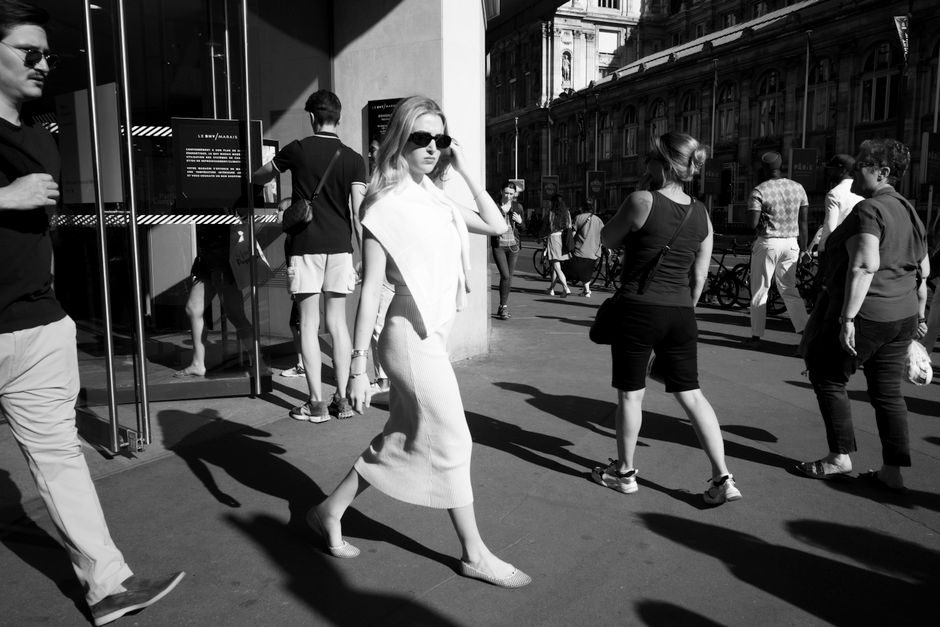
Carry a compact notebook or use a notes app to jot down standout looks you see at each event. Note color stories, textures, and accessory trends that translate to your wardrobe. This becomes a personal reference for future outfits.
Review what works on your body type and in your climate, then adapt trends to your daily life. Take close-up photos of fabrics to understand drape and performance. Use this to shop smarter later.
End with a quick post-event recap: which outfits inspired you most, and why. Share these reflections with friends or followers to spark conversation and gain feedback.
- Capture three key outfits
- Record fabric and silhouette notes
- Identify two trend signatures
- Summarize lessons for later use
Safety and etiquette rules
Respectful behavior guidelines
Arrive on time and be mindful of space around photographers and models. Keep conversations constructive and avoid interrupting during demonstrations. Small courtesies like stepping aside for a shot matter.
Dress appropriately for the venue and activity, balancing personal style with comfort and safety. Choose footwear suitable for standing or walking long distances. Consider layers for varying temperatures inside venues.
Consent and boundaries matter: ask before handling accessories or participating in activities. If you aren’t sure, observe first and follow established event norms.
- Ask before touching items
- Avoid blocking camera angles
- Respect dress codes and venue rules
- Mind personal space around others
Closing the loop with outfits
Turn event looks into daily wear
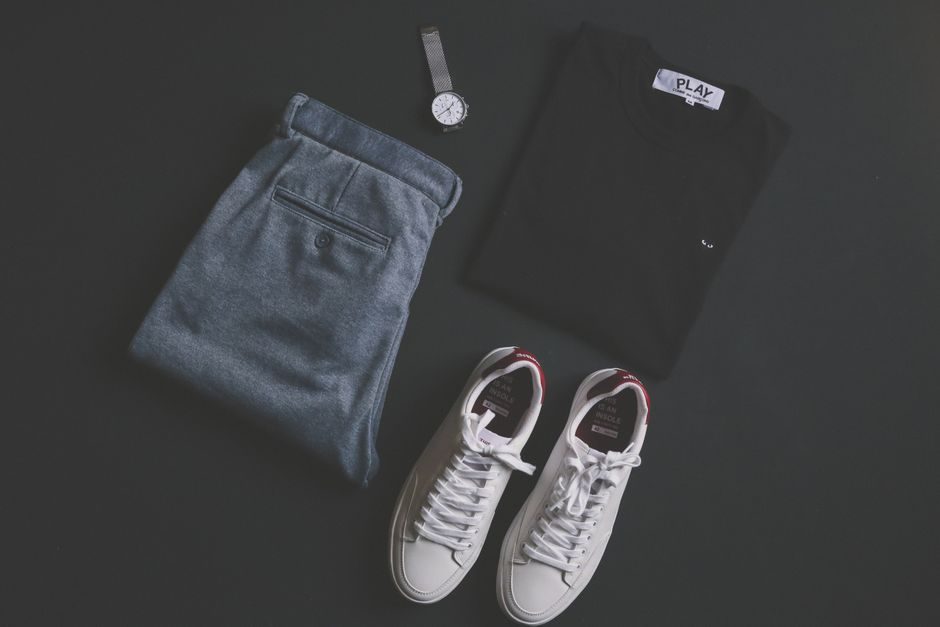
Use event outfits as inspiration, then translate key elements into practical pieces you already own. Focus on one standout feature per look, like a bold sleeve or a tailored jacket. This helps you replicate the vibe without scouring for new items.
Plan capsule-style tweaks: swap a runway-inspired piece for a similar but more wearable item. This reduces waste and keeps your wardrobe coherent. Document the transformation with a quick photo series for future reference.
Finish by cataloging outfits in a simple system: date, venue, key piece, and how you felt in it. This makes it easier to recreate or adjust for future appearances.
- Identify signature pieces to reuse
- Create capsule tweaks
- Photo-log outfits for reference
- Assess comfort and fit for daily wear
Frequently asked questions
How can I tell if an event is worth attending for fashion-minded readers?Look for events that show practical style demonstrations, hands-on workshops, or opportunities to interact with designers and stylists. Prioritize occasions where attendees can observe, learn, and create meaningful content that translates to real outfits.
What should I bring to a fashion-focused community event?Bring a lightweight notebook or device for notes, a portable charger, and a small camera or phone for quick styling snapshots. Wear comfortable, camera-friendly clothes that let you move easily and grip onto styling ideas as they appear.
Are free events as valuable as paid ones?Free events can offer strong value if they include approachable workshops or accessible talks. Paid events may provide more structured programming and longer access; evaluate the schedule and goals before deciding.
How do I balance attending events with a busy schedule?Choose two or three events per season that align with your priorities, then block the time. Prepare outfits ahead of time and set reminders for registration and check-in so you don’t miss key moments.
This closer look at community events shows how fashion readers can turn every gathering into a learning moment. The key is documenting what you see, testing ideas in your own wardrobe, and sharing practical outcomes with your circle. Your next step is to pick an upcoming event and plan three outfit benchmarks.
Use the insights you gain to shape a more cohesive, versatile wardrobe that wears well across occasions. Start with one element from an event that excites you, and translate it into a daily look that works for your life. Your calendar becomes the guide for smarter, more confident dressing.
Add Hair Cut Styles as a preferred source on Google


