
Latest Fashion News USA: A Practical Reader’s Guide
A practical guide for fashion readers on the latest news in the USA, with clear steps, practical tips, and what it means for styling and shopping today.

When fashion fans ask what matters now, the answer is simple: follow credible updates that influence what you wear and where you shop. This guide distills how latest news USA affects runways, streets, and your wardrobe, without hype or jargon. You’ll learn practical steps to stay informed while curating looks that feel current and true to your style.
From headlines to look inspiration, knowing the context helps you interpret trends for real life. This article gives you a straightforward path: what to track, how to translate it into outfits, and where to look for reliable updates. Expect concrete examples, not guesses, so you can plan outfits and purchases with confidence.
Readers deserve a clear way to turn news into wardrobe choices. By the end, you’ll have a practical checklist, a quick calendar, and a method to compare options without getting overwhelmed. It’s about staying sharp, not chasing every rumor, and making smart style moves.
- Follow credible updates that influence what you wear and shop. Translate headlines into outfits by pairing one trend piece with neutrals. Build a short shopping plan with clear criteria and return policies.
- Use a simple calendar to track when trends appear in mainstream outlets and restocks. Compare items across retailers for durability and fit. Avoid rushing to buy on the first post.
- Keep a small, repeatable process: identify a trend, test with your wardrobe, and verify with trusted sources. Focus on versatility, fit, and care needs to maximize value.
- The guide helps you stay stylish without overreacting to every news cycle. It emphasizes practical, low-risk choices that fit real life and real budgets.
Basics and why they matter
What to watch first
Start with the big topics: seasonal weather, notable designer shows, and global events that shift consumer behavior. This helps you filter noise and focus on changes that affect fabrics, colors, and silhouettes you’ll actually wear. For instance, a shift toward neutral tones signals capsule wardrobe opportunities. latest news USA
The most useful updates are about practical shifts—availability, production timelines, and popular textures. Track how delays or new fabrics alter what you can buy in stores and online. This keeps your closet aligned with what’s realistically accessible.
If you carry a note app or a simple calendar, record when trends start appearing in mainstream outlets. A small log helps you spot when a trend becomes a reliable option rather than a fleeting fad.
- Focus on 2-3 core trends each season
- Note fabric, color, and silhouette changes
- Track where items become available
- Ignore random buzz and measure relevance
- Look for practical shopping implications
How to translate news into wear

Turning updates into outfits
Take a trend you’ve seen in headlines and map it to your wardrobe. If metallics return, layer one shiny piece with matte basics to avoid overdoing it. Pair trend-led items with your staple pieces for balanced looks. USA events calendar
- Pick a trend from the news you actually like
- Choose one statement item
- Pair with two neutrals
- Wear and revise based on comfort and reaction
Consider occasion and climate when adapting trends. A streetwear-inspired piece can work for casual days, while a refined version might suit an event. The key is moderation and fit, not total cosplay.
Keep a small capsule of versatile pieces that can mix with feature trends. This helps you rotate fewer items more often, while still feeling current.
- Identify one staple item to anchor the look
- Choose one trend piece and two neutrals
- Prioritize fit and fabric over flash
- Test outfits with existing wardrobe
- Schedule a trial outfit on social events
Options for shopping and styling
Where to shop smarter
Use the news cycle to time purchases, aiming for pieces that suit multiple outfits rather than one-off statements. Seasonal sales and restocks can make a trend affordable and practical. Look for fabrics that travel well and colorways that pair with your existing closet. submit your business in the USA
Different retailers offer varying levels of availability and quality. Consider high-street staples for accessibility and designer diffusion lines for a hint of luxury without overspending. Read product details to assess durability and care needs.
Build a small shopping list based on verified updates, not rumors. Compare similar items across retailers, focusing on fit, fabric, and return policies. A smart approach reduces waste and increases satisfaction with purchases.
- Create a 3-item wish list per trend
- Check fabric care and durability
- Compare at least three retailers
- Prioritize multi-use pieces
- Watch for returns policy and warranty
| Option | Pros | Cons |
|---|---|---|
| Example A | Versatile and affordable | Less unique style |
| Example B | Quality fabrics, good fit | Higher price point |
| Example C | Sustainable choices | Availability varies |
Overreliance on social media can skew perception of a trend’s real-world usefulness.
Common pitfalls to avoid

What trips readers up
News-driven enthusiasm can push impulsive buys. Give trends a cooling-off period before purchasing. This helps you avoid items that won’t pair with your existing wardrobe. rooms and property to rent in the USA
- Myth: You must buy immediately to stay in the loop.
- Fact: It’s better to wait, compare, and try before committing.
Overreliance on social media can skew perception of a trend’s real-world usefulness. Cross-check with trusted outlets and real-life try-ons when possible.
Ignore every buzzy headline and test the item in daylight and in different lights. Color accuracy and fabric texture matter more in person than in a glossy photo.
- Avoid impulse buys from single posts
- Cross-check with multiple sources
- Test color and texture in natural light
- Consider whether the item fits into your current system
- Beware trend fatigue after a few weeks
Essentials for seasonal planning
Building a seasonal capsule wardrobe
Start with a core color palette that works across seasons and outfits. Choose a few versatile pieces that can mix and match, such as a tailored blazer, a dark-wauge pair of trousers, and a neutral dress. This keeps decision fatigue low while letting you experiment with textures and silhouettes. place a death notice in the USA
Plan around key events and weather patterns, noting which items earn the most wear. For instance, lightweight knits layer well in autumn, while structured outerwear elevates evening looks. Having a basic plan prevents wasted purchases and clutter.
Track what you actually reach for: a simple tally helps you spot gaps and overrepresented items. If you reach for the same sweater weekly, consider swapping or updating its color. A practical system keeps your closet coherent and wearable.
- Choose a limited color trio
- Prioritize versatile fabrics
- Label outfits for quick mornings
- Review quarterly for updates
Practical shopping calendar
Create a simple calendar that marks major sale periods and new-season drops. This helps you time purchases around when you actually need them, not when a trend peaks. A calm shopping cadence makes it easier to avoid impulse buys.
Write a short buy-list before each season arrives. List items by priority and by how many wear-days you expect from them. This keeps your budget aligned with your style goals and reduces clutter.
Set a limit on how many new pieces you add per season to maintain balance. Even a handful of well-chosen items can refresh a wardrobe without tipping it into excess. The goal is purposeful updating, not constant expansion.
- Plan seasonal sales windows
- Maintain a short buy-list
- Limit new items per season
- Balance staples with one statement piece
Spotting durable fabrics
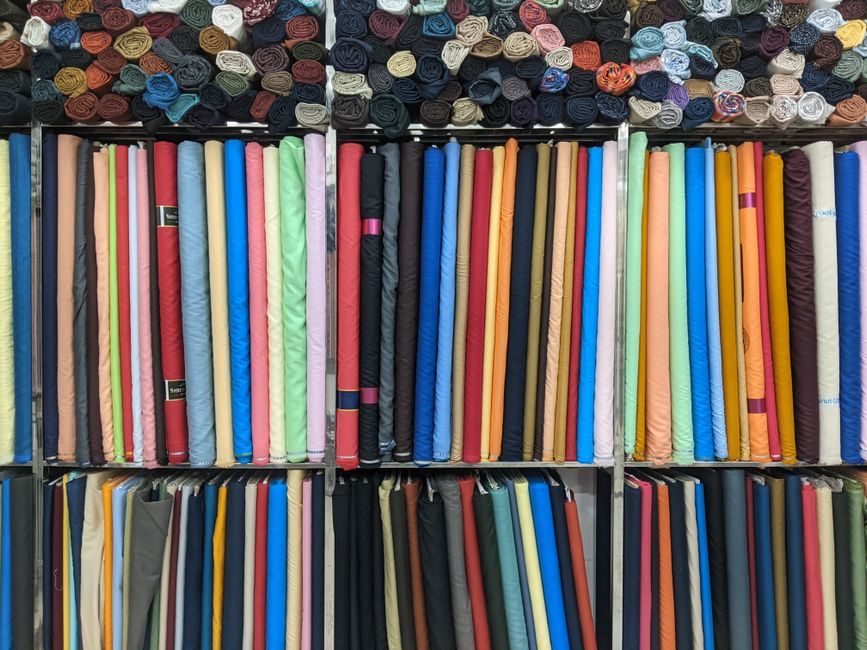
Fabric durability at a glance
Durability starts with fiber and weave. Look for tightly woven fabrics like twill, denim, and wool blends that resist pilling and hold shape after wash. This is especially important for everyday wear and pieces you treat as investments.
- Wash on gentle cycle when possible.
- Air-dry heavy fabrics to avoid distortion.
- Store by fabric type to prevent piling.
Care labels reveal the long-term health of a garment. Follow washing instructions to prevent shrinkage or fabric damage. Proper care extends life and preserves color and texture.
Feel and memory matter: a sturdy fabric should recover after a light crease and not feel flimsy. Test by pinching a small section; a resilient fabric will snap back rather than stay deformed.
- Choose tight weaves
- Prefer natural fibers with blends
- Check fiber content and care
- Test stretch and recovery
Repairs vs. replacements strategy
Learn quick fixes for common wear like loose buttons or minor hems. A small repair can save a garment and extend its life much more than a rushed replacement.
Assess the cost of professional repair against the garment's value and your attachment to the item. If the repair credits significant wear, a thoughtful replacement may be more economical in the long run.
When in doubt, consult a tailor for fit adjustments. A well-fitted piece feels brand-new and can dramatically extend usability.
Influence from global events
How news shifts street style
Current events steer color trends, silhouettes, and dress codes in subtle ways. A major event can quiet the palette, favoring neutrals and refined lines over loud prints. Reading the mood helps you adjust without chasing trends.
Social and political moments affect brand messaging and collaborations. You can respond by choosing pieces that reflect personal values or that bridge comfort and utility. The goal is authentic choices that still feel contemporary.
In practice, translate headlines into wearables by testing one signal at a time. For example, if utility and durability gain relevance, incorporate practical outerwear and versatile footwear.
- Watch for color shifts in editorials
- Note new collaboration themes
- Translate mood into 1-2 items
- Assess personal alignment with events
"Place a death notice in the USA" as a cultural signal
This phrase appears in some readership discussions as a metaphor for acknowledging shifts with gravity. Treat it as a reminder to respect serious topics when evaluating fashion narratives tied to national events. Fashion readers often respond to meaning as much as to material trends.
Use this cue to consider how media frames clothing choices during solemn moments. You can selectively embrace respectful, subdued styling that honors context while maintaining personal style.
Translate that sensitivity into practical edits: avoid loud slogans during sensitive periods and favor timeless pieces that endure beyond news cycles.
How to explore new designers
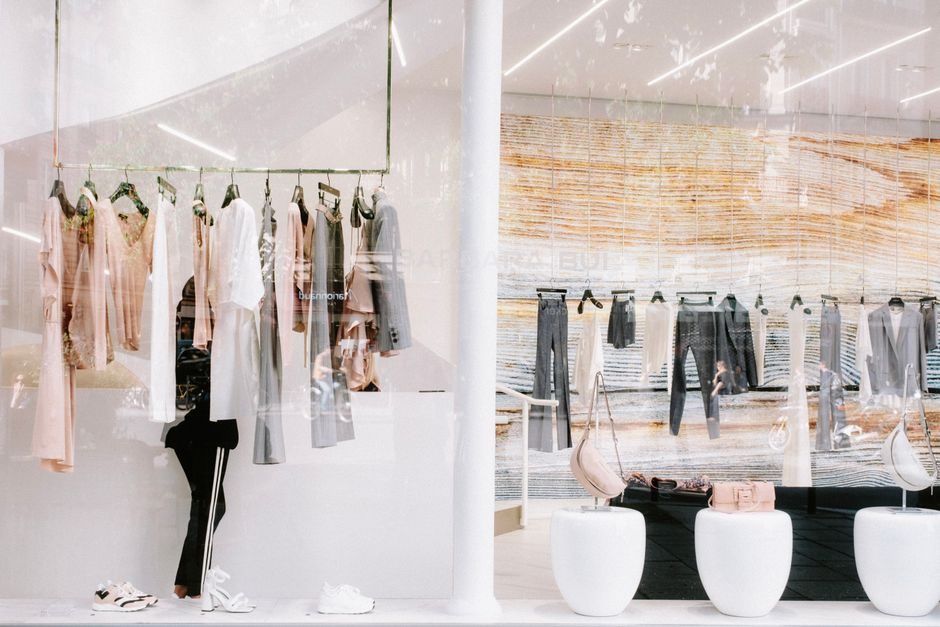
Finding fresh names with longevity
Start with lookbooks and fashion weeks that highlight up-and-coming talents. Focus on designers who show consistency in fabric quality and tailoring across collections. Early signs of cohesion often predict longer-term appeal.
Assess a designer's materials and construction. Even smaller brands should demonstrate attention to fit, finishing, and a clear design language. If a collection feels cohesive, it’s easier to curate a wearable, expressive wardrobe.
Test-drive a few pieces before committing full budget. A single standout item from a new designer can anchor outfits, while multiple habits may reveal a growing signature you’ll want to follow.
- Check the tailoring details
- Note the material choices
- Follow a consistent runway voice
- Try on at least one item
Evaluating sustainability claims
Question what ‘sustainable’ means for each label. Some brands emphasize durability and repairability, others prioritize recycled materials or ethical production. A transparent supply chain is a practical signal, but it requires careful reading of claims.
Look for consistency across collections rather than a single eco-friendly piece. Long-term value comes from items that are cross-seasonal, repairable, and timeless in form. A few true-wair pieces beat many trend-driven options.
Support designers who align with your values and offer reliable returns policies. If you buy less but buy better, you’ll build a wardrobe that ages well and reduces waste.
Frequently asked questions
How can I assess a fabric's durability before buying?Check weave density, fiber mix, and care instructions. A tightly woven fabric with durable fibers tends to resist wear, while clear care guidelines indicate how to preserve shape and color. Compare stitching quality and evaluate how the fabric behaves when lightly stretched.
What should I do if a new designer's item doesn’t fit?Look for a flexible return policy and consider tailoring options. If a piece is nearly perfect, minor alterations can salvage it; otherwise, you can exchange or donate and pivot to another item that better matches your measurements.
Is it better to buy fewer, higher-quality pieces or many cheaper items?Prioritize a handful of well-made items you wear often. High-quality staples stay in rotation longer and support fewer replacements, while cheaper items accumulate and create clutter. The goal is consistent wear and lasting value.
How can I stay updated without overhauling my wardrobe?Follow a small set of trusted sources and translate one idea per season into your outfits. This keeps you current without chasing every trend. Practical updates beat sporadic, large-scale changes.
Conclusion: practical next steps
With seasonal planning, durable fabrics, and awareness of global influences, you can shape a wardrobe that feels both modern and lasting. The emphasis is on usable pieces, thoughtful purchases, and clear organization that supports daily style choices.
Take one concrete action this week: audit a shelf or drawer for items that no longer serve you and note what to replace. A focused, manageable update sets the mood for the next season and keeps fashion enjoyable.
Add Hair Cut Styles as a preferred source on Google


