
Practical Ankara Legal Tips for Fashion Readers: Clarity and Style
A concise guide for fashion enthusiasts on finding legal help in Ankara, with practical steps, safe choices, and clear expectations tailored for style-minded re

When you travel or work in fashion, legal questions can pop up quickly—from contracts to permits. This guide translates those needs into simple, actionable steps you can take without wading through jargon. You’ll learn what to ask, how to choose a lawyer, and what realistic outcomes look like for fashion-related issues.
The path to finding the right counsel in Ankara should feel practical, not intimidating. We break down the process into clear moves you can apply this week. Expect concrete examples, checklists, and straightforward language that keeps your fashion plans moving forward.
By keeping the focus on real-world needs—timelines, budgets, and outcomes—you’ll approach legal matters with confidence. This article is designed for readers who value efficiency and clarity when dealing with law and style alike.
- Know exactly what you need from a lawyer before reaching out.
- Ask for a clear plan with timelines, costs, and milestones.
- Choose a local expert who speaks fashion as well as law.
- Keep documents organized to speed up every conversation with counsel.
Basics to know before hiring
Clarify your need clearly
Start by identifying the exact issue: contract review, trademark guidance, or dispute resolution. State the goal in one sentence to guide every decision you make. This helps you avoid overkill and stay practical. Ankara Ceza Hukuku Avukatlarına Ulaşın is best understood as a practical starting point for legal aid in Ankara.
- Know your goal before contacting a lawyer
- Prepare a tidy file with key documents
- Ask for an upfront plan and cost estimate
Gather documents that show the scope of the issue: contracts, emails, and receipts. Organize them by date and relevance so a lawyer can see the narrative at a glance. A clean file speeds up the process.
Be realistic about timelines and costs. Many fashion matters hinge on negotiations with partners or authorities, not long court battles. Set a reasonable budget and ask for an estimate early.
- Define the issue clearly
- Collect all related papers
- Set a realistic budget
- Ask for a written plan
Choose a lawyer and language
Look for a lawyer who understands fashion workflows, not just law basics. A practical advisor will explain options in plain language and help you weigh risk. This matters in fast-moving fashion projects.
Ask about experience with Ankara regulations, contracts, and brand protection. A local perspective can save time and avoid missteps that slow production.
Confirm communication style and availability. If you need quick edits or rapid responses, ensure the fit aligns with your schedule and deadlines.
- Fashion-law experience
- Local regulatory awareness
- Clear communication
- Timely responsiveness
How to vet candidates efficiently

Check track record and references
Ask for recent cases similar to your issue and the outcomes. A seasoned professional should describe what worked and what didn’t in plain terms. Look for repeat clients as a sign of dependable service. Şehre Göre Avukat Bul helps readers quickly identify local options in a fast-moving fashion project.
- ☐ Review past outcomes
- ☐ Ask for client references
- ☐ Assess adaptability to fashion timelines
Call references or ask for client stories that show flexibility and real results. You want a lawyer who can adapt to changing fashion timelines and project scales.
Be wary of promises that sound too good to be true or fixed-fee arrangements without scope clarity.
- Recent similar work
- Clear results described
- Strategic flexible approach
Understand fees and scope
Ask for a written agreement outlining scope, deliverables, and hourly rates or flat fees. A transparent fee structure protects you from surprise costs during production
Negotiate milestones tied to project phases, so you pay as you hit concrete steps, not at the end of a long timeline.
Document decision logs and approvals to keep the process visible and fair.
- Written scope and fees
- Milestone-based payments
- Documentation of approvals
Extension into options for fashion projects
Contract prep for shoots and collaborations
Draft model-release, location permits, and partnership agreements with clear ownership terms. A good contract prevents disputes over rights and royalties later.
Use plain-language summaries of complex clauses so all parties understand key obligations. This reduces back-and-forth and keeps shoots on schedule.
Include contingency clauses for changes in schedule, weather, or talent availability to protect timelines and budgets.
- Model release basics
- Clear ownership terms
- Contingency clauses
| Option | Pros | Cons |
|---|---|---|
| In-house legal support | Faster decisions, deeper brand understanding | Higher fixed costs and commitment |
| Boutique fashion-law firm | Targeted expertise, tailored advice | Limited availability and narrower scope |
| General practice attorney | Lower cost, broad knowledge | Risk of misaligned fashion specifics |
Brand protection and trademarks
Registration and management of brand elements help prevent misuse. A straightforward plan covers logos, slogans, and distinctive product names.
Coordinate with local authorities on registration steps and deadlines to avoid delays in launches.
Regular audits of usage across media help catch infringements early and limit impact on campaigns.
- Logo and slogan protection
- Launch-registration timeline
- Ongoing usage audits
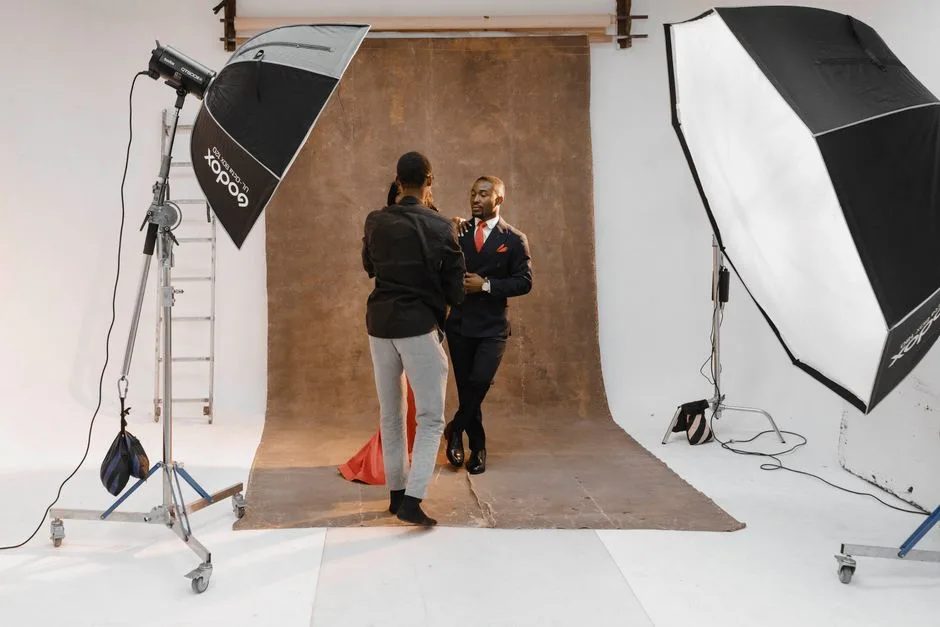
Before any shoot, have a written contract that covers model releases, usage rights, and project scope.
Legal etiquette for shoots
Clear contract basics
Before any shoot, have a written contract that covers model releases, usage rights, and project scope. This keeps everyone aligned on timelines and expectations, reducing miscommunication. Use a simple template and tailor it to each project, with a quick review by a lawyer if possible.
Detail the exact uses of imagery and distribute responsibilities to team members so there’s no ambiguity about who handles permits, payments, or wardrobe rentals. A straightforward agreement saves time on set and helps prevent costly disputes.
Ensure all participants understand consent terms and model rights, especially when shooting in public or semi-public spaces. Clear language avoids awkward questions after the fact and protects both talent and brand.
- Have a signed model release before shooting
- Document usage rights clearly
- Identify responsible parties for permits
- Plan fallback options for weather or location changes
Solving disputes without drama
Calm negotiation tactics
When tensions rise on set, pause and name the issue in neutral terms. This prevents defensiveness and invites practical solutions. Propose a concrete next step, such as pausing for a quick shift in lighting or location to regain momentum.
Document any agreed changes in writing, even brief notes on a phone. A simple recap helps everyone stay on the same page and avoids later misinterpretations.
Consider a neutral mediator if the dispute stalls. A fresh perspective can unlock options that neither side considered.
- Pause and acknowledge emotions
- Summarize decisions in writing
- Propose concrete alternatives
- Involve a neutral third party if needed
Cross-border fashion issues
Licensing across borders
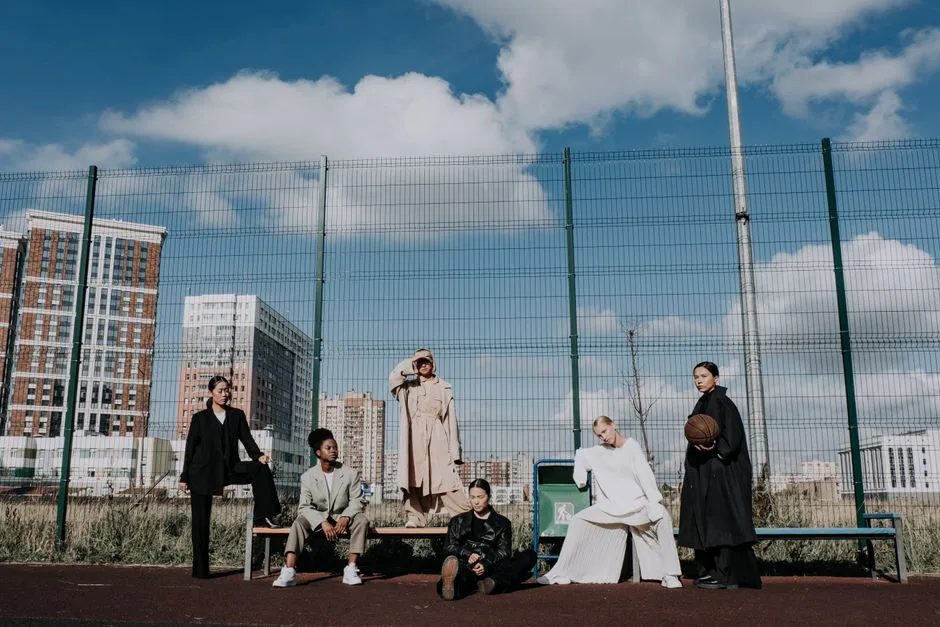
Different countries treat licensing and rights differently, so map where imagery will be used first. Determine whether licenses cover online, print, and social channels, and for how long. This reduces post-release surprises and price disputes.
- Identify all intended markets early.
- Secure rights that match each channel of distribution.
- Keep a centralized file of licenses and permits.
Coordinate tax, permits, and local labor laws before hiring crew in another country. Short delays or fines can derail a shoot, especially when schedules are tight.
Maintain clear, containerized files of all licenses and permits so your team can reference them quickly during edits or when pitching to partners.
- Clarify online vs. print rights
- Check duration of use
- Preserve all licensing documents
- Aligns with local regulations
Sustainability and compliance in law
Ethical sourcing rules
Pull together the chain map from fabric to final product and verify supplier compliance with basic labor standards. Being able to explain the origin of materials helps protect a brand’s reputation and reduces risk if issues arise later.
Document supplier certifications and audit results where possible; this shows a commitment to responsible practices and can smooth negotiations with retailers.
Integrate sustainability checks into the planning phase to catch issues early, such as dye water management or transportation emissions, before they become costly fixes.
- Trace supplier origin
- Keep certifications accessible
- Embed checks in budgeting
- Plan for transparent disclosures
Frequently asked questions
How long should a usage license last for a fashion shoot?Licenses typically specify the duration and media, balancing marketing needs with cost control. Most brands prefer a term that fits the campaign window and allows renewal if the project proves successful. Always lock in renewal options before signing.
Do I need permits for shoots in public spaces?Public shoots often require permits or permissions from property owners or local authorities. Check local regulations early, budget for permit fees, and ensure the team carries proof of permission on set to avoid delays.
What if a model wants different usage rights than planned?If a model requests expanded rights, reassess the contract quickly to reflect the new scope. Document any changes in writing and adjust compensation to reflect broader use of images.
How can I reduce risks with cross-border shoots?Map intended markets, rights, and local rules before hiring. Keep licenses centralized and accessible, and plan for tax or permit complexities in advance to prevent costly delays.
Closing thoughts for fashion legality
With contracts clear and rights mapped, shoots move faster and with more confidence. The key is documenting decisions as you go and revisiting terms when plans change.
A practical routine—preflight checks, standardized templates, and a transparent file system—keeps poetry and practicality aligned on every fashion project.
Readers interested in this subject may also want to explore Gündelik Şıklık İçin Hukuki Bilginin Yolunu for additional perspectives.
For a deeper understanding of this topic, Practical legal help: how to vet offers valuable insights worth exploring.
Readers interested in this subject may also want to explore Smart fashion guide: legal help you for additional perspectives.
Add Hair Cut Styles as a preferred source on Google


