
Practical guide: fashion relevance of reused appliances and thrift wisdom
Explore how second-hand appliances relate to style, sustainability, and budgeting for wardrobes. Simple steps, clear tips, and stylish cash-saving ideas.

How you buy and reuse items shapes your personal style as much as your closet. This explainer shows why a seemingly ordinary appliance story matters to fashion readers, from materials and finishes to the way a room looks and feels. You’ll learn practical steps to spot quality, reuse ideas, and why second-hand choices can fit a chic, modern wardrobe mindset.
First, understand what makes a second-hand item work visually: clean lines, durable finishes, and timeless silhouettes translate beyond clothing. Second, the practical path is to assess condition without overthinking minor flaws. Third, you’ll gain a few straightforward steps to integrate thrift finds into your daily life without sacrificing style.
Finally, know where to start, what to avoid, and how to talk about these choices with confidence. This article stays focused on fashion relevance, showing how a resource about used goods can inform your look, your space, and your budget.
- Second-hand appliances can inform fashion choices through textures, finishes, and room mood, not just utility.
- Use a simple check file for power, wear, and safety, then compare items on function and fit.
- Choose items that align with your space’s color story and style voice, balancing form and function.
- Smart shopping relies on honest listings, clear photos, and a plan for how the piece will live with your wardrobe.
- Basics and why they matter
- How to test and select
- Common pitfalls and how to avoid
- Practical tips for integrating into fashion spaces
- Options by space and style
- Pitfalls to avoid in detail
- Quick tips for busy readers
- How to talk about second-hand finds
- Frequently asked questions
- Closing thoughts: thrift as a style practice
Basics and why they matter
What counts as second-hand
Understanding second-hand does not mean rough or dated. It means items tested and clean, with reliable parts intact. The goal is a usable object that complements your style without sacrificing function. Bağcılar İkinci El Beyaz Eşya
- Power on test confirms basic function
- Exterior shows consistent finish
- Noise or vibration indicates problems
- Safety features work and doors seal well
A well-chosen used appliance can influence room mood and texture, much like a vintage coat influences an outfit. Look for neutral colors, minimal wear, and preserved hardware.
The most important check is operation: confirm that it powers on, runs smoothly, and shows no obvious safety issues. A functional item supports a cohesive aesthetic and reduces the need for new purchases.
- Check power and operations
- Inspect exterior and hardware
- Prioritize neutral tones
- Avoid items with missing parts
- Prefer items with minimal wear
Visual cues for design fit
Color, texture, and form matter as much as the story a piece tells. An appliance with clean lines and understated hardware blends with many styles. It can act as a quiet backbone in a room.
Look for metal finishes, glass panels, or matte surfaces that echo fashion materials like brushed steel or ceramic glaze. These details make the item feel curated rather than utilitarian.
If your space has a strong theme, pick a second-hand piece that aligns with it instead of clashing. The right finish can read as intentional, not accidental.
- Harmonious finishes
- Timeless silhouettes
- Match to room theme
- Avoid loud or mismatched details
- Prefer cohesive hardware
How to test and select
Quick functional check
Power up and listen for odd sounds. If the item runs smoothly, it’s a good sign of reliability. Note any recurring issues and weigh their impact on daily use. A useful resource on this topic: istanbul bağcıkar iş ilanları.
- Run the item for several minutes
- Check all primary functions
- Record any inconsistencies
- Compare results with similar items
Test basic operations that mirror your day-to-day needs. For example, if it’s a cooling appliance, observe steady performance without overheating.
Document any concerns with a simple checklist and use it to compare candidates. This keeps choices practical and avoids impulse buys.
- Power-on and run time
- Sound and vibration check
- Runtime during peak loads
- Door seals and closures
- Temperature stability
Where to shop wisely
Look beyond flashy ads to the condition and pedantic details of listings. Reputable sellers often describe wear honestly and offer return windows, which protects your style budget.
Check for delivery options and recycling policies, which reflect a seller's care for sustainability and your space planning. Safe disposal or recycling matters when you move items along.
Trust photos that show close-ups of panels, handles, and hinges. If a listing hides flaws, proceed with caution.
- Choose clear photos
- Read return policies
- Ask about missing parts
- Evaluate delivery costs
- Consider nearby pickup for easy return
Common pitfalls and how to avoid
Common mistakes
Relying on cosmetic looks instead of function wastes money and space. A polished exterior may hide a faulty mechanism. Prioritize performance and reliability alongside appearance.
Overlooking safety warnings or missing parts can turn a thrifty choice into a costly regret. Verify security features, attachments, and warranty options when available.
Falling for brand names alone ignores condition and compatibility with your space. Treat label prestige as a secondary cue to fit, not the deciding factor.
- Focus on function first
- Verify safety and parts
- Consider compatibility with space
- Ask about return options
- Estimate total ownership costs
| Option | Pros | Cons |
|---|---|---|
| Neutral fridge | Versatile look | May be limited in features |
| Matte finish washer | Stylish surface | Could show fingerprints |
| Stainless appliance | High resale value | Weight and maintenance |
Tips for safe reuse
Create a simple inspection routine before buying, using a flashlight and a checklist. A quick scan of seals, cords, and switches can prevent major issues later.
Plan how the item fits your space visually and functionally. A compact unit may blend better with a tight room than a bulky upgrade.
Maintain items with a few basic care steps to extend life and keep them looking fresh, such as regular cleaning and protective finishes.
- Inspect seals and cords
- Check for space fit
- Schedule simple maintenance
- Keep items clean and protected
- Rotate items to balance wear
Let the appliance stay in its lane visually while you layer textiles and decor to create a fashion-forward vignette.
Practical tips for integrating into fashion spaces
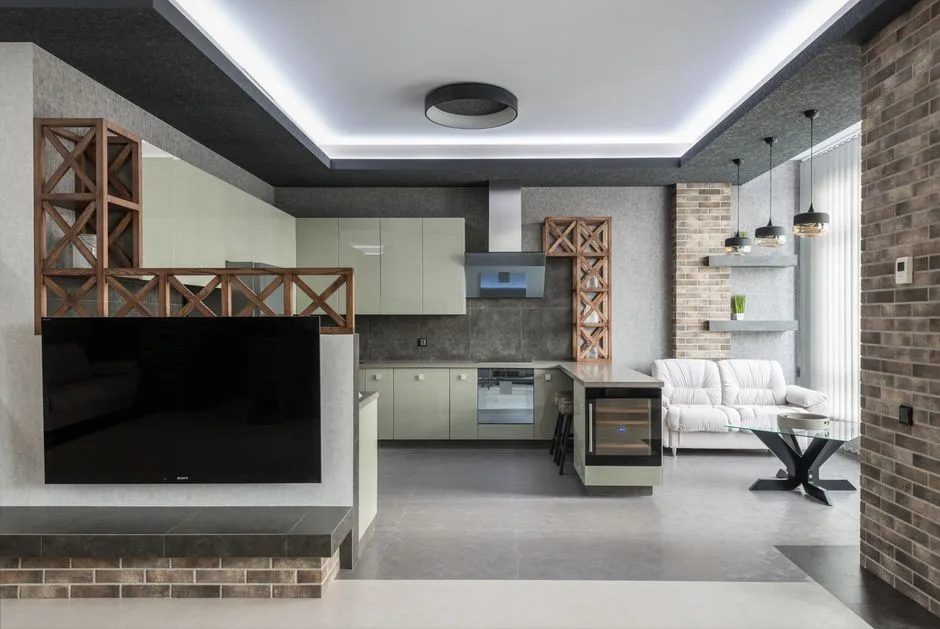
Styling around utility
Let the appliance stay in its lane visually while you layer textiles and decor to create a fashion-forward vignette. A clean fridge or tasteful washing unit can act as a canvas for curated styling.
Use textiles, lighting, and shelf styling to echo trends without shouting the appliance’s role. Subtle hints keep the space chic and balanced.
Coordinate with your wardrobe so the room feels like a complete ensemble rather than a mismatched space.
- Balance with textiles
- Use lighting to elevate
- Coordinate colors
- Avoid clutter
- Showcase with symmetry
Budget-friendly upgrades
Small upgrades can refresh the look without a major purchase. Replace drawer pulls or add a matte finish to a dated panel for a modern touch.
Pair older appliances with new accessories that lift the perceived value, like a coordinated storage box or a stylish cover.
Track usage to optimize energy and reduce waste while keeping a stylish space intact.
- Swap pulls for modern ones
- Add coordinated accessories
- Monitor energy use
- Choose finish that matches decor
- Plan upgrades with intent
Options by space and style
Small apartments, bold accents
In small spaces, choose compact appliances with clean lines and neutral finishes that blend with existing decor. Look for pieces with removable panels to simplify cleaning and maintenance. Consider color-smart choices that won’t dominate a room but still offer a stylish touch.
For styling, pair reclaimed appliances with metallic accents or warm wood textures to create contrast. Avoid bulky shapes that crowd a room; instead, opt for slender, silhouette-friendly models. The goal is to add character without compromising rhythm in the space.
This approach helps fashion spaces feel curated rather than cluttered. It also lowers the barrier to using second-hand pieces as part of a wardrobe for the home, not just the shop floor.
- Choose compact, low-profile models
- Prefer neutral finishes with easy-clean surfaces
- Match with metal or wood textures
- Prioritize removable panels for maintenance
Studio and showroom vibes
Showrooms benefit from appliances that read as design objects. Seek machines with sculptural forms, soft edges, or vintage cues that complement fashion styling. Prioritize quiet operation to keep the space serene and showroom-ready.
Integrate these pieces as focal accessories rather than workhorses. Use them to cue a lifestyle story—think vintage flare with modern efficiency. Keep cables hidden and surfaces gleaming for a pristine look.
This strategy helps fashion spaces tell a cohesive narrative while keeping practicality intact, so the equipment stays stylish rather than utilitarian clutter.
- Look for sculptural shapes
- Prioritize quiet operation
- Hide cables and keep surfaces clean
- Create a cohesive display narrative
Pitfalls to avoid in detail

Overlooking condition realities
Aesthetic appeal can mask issues like rust, leaks, or failing seals. Inspect doors and seals, listen for odd noises, and check electrical cords for wear. A faulty unit can derail a styling plan and waste time and money.
- Inspect major seals and gaskets
- Test cooling, heating, and cycles
- Check for unusual noises
- Ask about return policies
Ask for a demo period if possible. Simple tests on cycles, heat, and cooling give a realistic sense of longevity. If a feature seems flaky, consider a different option.
This due diligence saves you from mid-project breakdowns and keeps the focus on fashion rather than repair work.
- Check seals and doors
- Test cycles and routines
- Inspect cords and plugs
- Request a demo before buying
Mismatched aesthetics and function
Avoid forcing an appliance that clashes with the room’s vibe or the wardrobe it serves. A bulky unit can overpower a small dressing area, while a sleek machine might read as clinical in a boho space. Aim for cohesion with color and scale.
Sketch your space like a mood board before buying. Measure height, width, and clearance to ensure it sits comfortably among other furniture and fixtures.
This prevents fashion missteps and helps the space feel curated rather than recycled in a hurried way.
- Assess color and finish
- Measure space precisely
- Consider proportion relative to furnishings
- Balance form with function
Quick tips for busy readers
Fast maintenance routines
Create a simple weekly wipe-down ritual to keep surfaces gleaming and free of dust. Use a microfiber cloth and a gentle cleaner to avoid scratches. Schedule quarterly checks on seals, vents, and filters.
Keep a small toolkit handy for quick fixes, so you won’t delay styling plans. A spare belt or hose can save a lot of downtime.
Streamlined care gives you more time to experiment with looks and layouts, not repair bills.
- Weekly surface wipe
- Quarterly seal check
- Keep a basic toolkit
- Plan quick repairs
Smart shopping shortcuts
Set a clear budget and a strict must-have list to avoid impulse buys that clutter the space. Look for appliances with transferable warranties or documented histories of use. Favor models that can be repurposed as style props when not in heavy use.
Check local thrift networks and community shops for rotating stock, which often yields fresher looks at lower prices. Photograph potential finds to compare with your mood boards later.
This approach makes thrift gains feel intentional and fashion-forward, not chaotic.
- Define budget and must-haves
- Prefer transferable warranties
- Shop local thrift channels
- Photograph finds for boards
How to talk about second-hand finds
Framing the find in fashion terms
Describe the piece as a design object with context and potential, not as trash or surplus. Mention its era, finish, and how it complements current wardrobe choices. This makes it a conversation starter instead of a salvage story.
Use adjectives that convey texture, color, and proportion to help others visualize pairing it with outfits. A brass-accented unit can mirror metallic jewelry, while a matte black machine echoes leather textures.
This language elevates shopping from necessity to style, inviting others to see the value beyond price.
- Emphasize era and finish
- Describe pairing options
- Highlight texture and proportion
- Frame as design object
Ethics and sustainability on display
Explain why reusing appliances reduces waste and supports circular fashion without preaching. Share practical notes about condition, energy use, and potential upgrades that align with a greener wardrobe. Readers appreciate honesty over hype.
Suggest simple, transparent storytelling: where it came from, how it’s used, and why it fits a clothing-and-space narrative. This makes thrift hunting feel intentional and chic.
A respectful, informed approach keeps conversations constructive and inclusive.
- Be transparent about origin
- Discuss energy and upgrades
- Tell a cohesive story with space and clothes
- Invite questions and sharing
Frequently asked questions
Are second-hand appliances reliable for daily use?Reliability varies. Start with units that have a clear history and demonstrated functionality. Test key cycles and features before committing, and choose models with accessible parts or a service option. A well-chosen used piece can blend into daily routines without disruption.
How do I evaluate energy use in thrifted appliances?Ask for energy labels, if available, and ask about any upgrades or replacements. Compare energy use to similar new models in broad terms, and consider how often you’ll run the unit. When in doubt, prioritize efficiency in the context of your lifestyle.
What styling threats should I avoid with reused appliances?Avoid overly loud finishes, branding, or mismatched proportions that clash with your space. Don’t force a vintage look where it doesn’t fit; balance with current wardrobe cues and lighting. Keep the look intentional and aligned with the room’s mood.
What’s the best way to present thrift finds to friends?Lead with the story: where it came from, how you use it, and why it fits your space. Use neutral, confident language and a clear pairing plan with textiles and hardware. Invite questions so the find feels like a design choice, not a rummage pick.
How do I start integrating thrift finds into a fashion shoot?Treat the appliance as a prop with a purpose. Coordinate colors, finishes, and textures with wardrobe selections. Build a mood board that links space, light, and clothing, then stage scenes that tell a cohesive story.
Closing thoughts: thrift as a style practice
Thrift-inspired styling isn’t about frugality; it’s about intentional meaning. Reused appliances can anchor a room’s narrative, offering texture and era without overpowering the wardrobe it supports. The trick is to curate with a clear eye for balance and mood.
Think of shopping second-hand as drafting a lookbook for your home. Start with a focal piece, then layer textiles, lighting, and hardware to echo its voice. The result is a space that feels editorial and lived-in, not rescued.
Readers interested in this subject may also want to explore Hinge OTP Online Service: guide pratique for additional perspectives.
For a deeper understanding of this topic, Hinge Alternate Number OTP: moda ve offers valuable insights worth exploring.
For more insights on this topic, you might find Hinge UK Phone Verification Service explained particularly informative.
Add Hair Cut Styles as a preferred source on Google

