
Smart farming tech for fashion minds: turbines in soil care
A clear explainer on Nazilli güneş enerjili tarla sulama sistemleri and why sustainable water use matters for fashion‑forward wardrobes and supply chains.

Readers often overlook how farming tech touches fashion. This explainer shows what solar-powered irrigation is, why it matters to the fabrics and dyes we color our wardrobes with, and how it could inform smarter, more sustainable production. Expect practical angles, not theory.
The core idea is simple: solar irrigation can save water, reduce energy use, and stabilize crop quality that feeds textiles and fashion supply chains. You’ll see concrete examples and actionable steps you can discuss with brands or studios.
Finally, a quick note on what to watch for: cost, durability, and local climate shape outcomes more than any single gadget. Our focus stays practical, grounded in what fashion readers can use tomorrow.
- Solar-powered irrigation connects farming with fashion by stabilizing crop care and reducing resource use.
- For fashion brands, this means more consistent fabric quality and smoother supply chains.
- Start small, plan for maintenance, and align growers with production calendars to maximize impact.
Basics of solar irrigation
What it is and how it works
Solar irrigation uses photovoltaic panels to power pumps that move water from a source to crops. The system reduces the need for diesel pumps and can operate during the day for precise watering. For fashion supply chains, predictable soil moisture means steadier fiber quality and dye uptake. Nazilli güneş enerjili tarla sulama sistemleri is a phrase you may encounter when researching farm tech that fits coastal or sun-prone fashion districts.
The setup ranges from small farm kits to larger fields with sensors and controllers. Key components include a solar array, a pump, a reservoir, and simple valves. It’s scalable, which is helpful for growers supplying fabrics on tight timelines.
Long-term reliability depends on local water availability and maintenance. Users often find that keeping panels clean and securing proper shading improves efficiency.
- Choose scalable kits that fit field size
- Install basic controllers for timed watering
- Use rainwater harvesting to supplement
- Schedule maintenance every season
- Monitor energy use for efficiency
What fashion gains from it
Impact on fabric quality
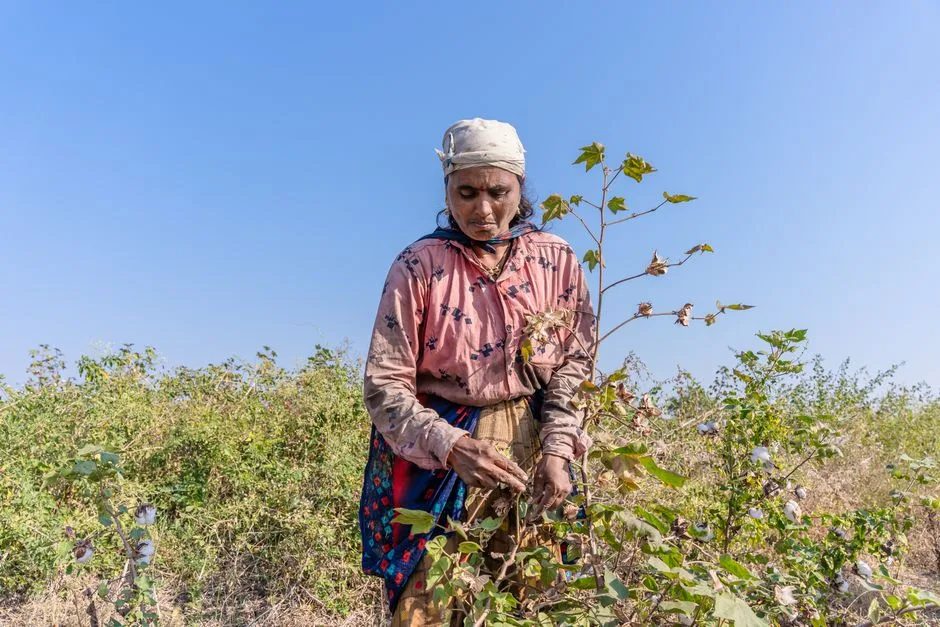
Soil moisture stability helps fibers develop consistently, improving dye absorption and finish quality. When crops receive steady care, you reduce variability that shows up as uneven toning or weaker dye fastness. For fashion brands, this means more predictable samples and fewer late-stage tweaks.
- Overlooking local sunlight patterns; choose a system sized for typical sun hours
- Underestimating water source quality; test for salinity and minerals
- Neglecting maintenance; set a simple calendar for checks
Growers report fewer stress events for plants, which translates to steadier yields and less cropping waste. That steadiness translates downstream to smoother production cycles and fewer last-minute fabric substitutions.
Ultimately, the goal is less water waste and less energy burn in the supply chain, which lowers the environmental footprint of a garment line.
- Steady moisture reduces fiber warping
- Dye uptake becomes more predictable
- Fewer crop losses mean steadier fabric supply
- Energy use drops with solar power
- Better certifications for green claims
How to assess if it fits
Assessing suitability
Evaluate climate, water rights, and crop type before investing. Choose a solar setup that matches your typical rainfall and sunlight exposure to avoid under- or over-watering. This matters for fashion fabrics that need specific moisture levels at harvest.
Talk to local installers about regional reliability and maintenance needs; a system that’s easy to service helps avoid downtime during peak production windows.
Plan for storage and backup if grid power is unreliable; a hybrid setup can offer resilience for critical dyeing stages.
- Check sun exposure and shading
- Confirm water source is reliable
- Ensure easy access for maintenance
- Choose a scalable system
- Factor in seasonal weather changes
| Option | Pros | Cons |
|---|---|---|
| Manual watering | Low upfront cost | Variable results and wasteful if not managed |
| Diesel pumps | Fast deployment | Fuel costs and emissions |
| Solar irrigation kit | Renewable energy, predictable operation | Higher upfront cost and need for maintenance |
Upfront costs can be higher than traditional pumps, but total life-cycle costs often improve with reduced fuel use and maintenance.
Common pitfalls to avoid
Costs and hidden hurdles
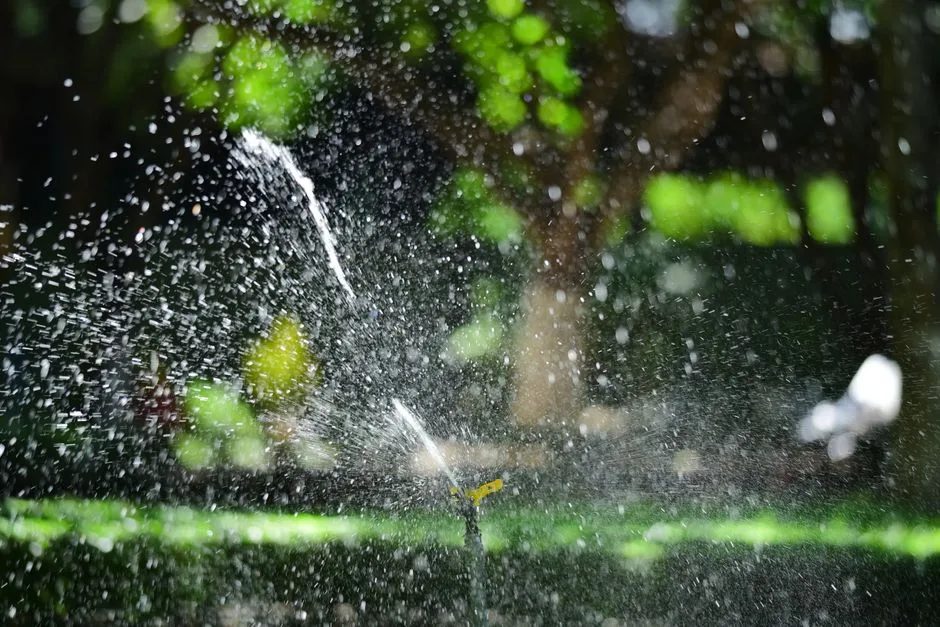
Upfront costs can be higher than traditional pumps, but total life-cycle costs often improve with reduced fuel use and maintenance. Don’t skim past installation complexity; improper wiring or poor controller settings waste energy and water.
Look for warranties, easy spare parts, and service networks that cover your region. If a system fails, a quick fix matters more than a flashy setup.
Understand local regulations on solar use and water rights; compliance prevents costly delays and supply chain hiccups.
- Plan for maintenance cycles
- Choose reputable installers
- Check warranty and parts availability
- Understand local regulations
- Keep a conservative budget
Advanced tech and aesthetics
Smart irrigation integrations
Smart irrigation systems can integrate with weather data, soil moisture sensors, and plant-specific schedules to optimize water use. For fashion-minded readers, this means less risk of overwatering delicate textures and finishes at showhouses or pop-ups. The result is consistent plant health without clutter or waste, preserving the aesthetic set by designers.
- Automation reduces manual irrigation work
- Quiet, compact hardware preserves aesthetics
- Regular checks prevent subtle failures
The setup prioritizes clean lines and low-profile equipment that blends with urban environments. Aesthetics matter on fashion shoots and retail spaces, where hardware should disappear into the backdrop or appear as a subtle mechanical accent. Thoughtful placement reduces visual noise and keeps the focus on garments.
Over time, maintenance routines become predictable: sensors report clear statuses, and controllers adjust automatically. This predictability translates into reliable green spaces around studios, boutiques, and runways who want vibrant greenery without manual dialing every day.
- Connect moisture sensors to a central controller
- Schedule irrigation around shoot days
- Choose compact equipment for tight spaces
- Maintain cables and filters regularly
Sustainability across the process
Water footprint awareness
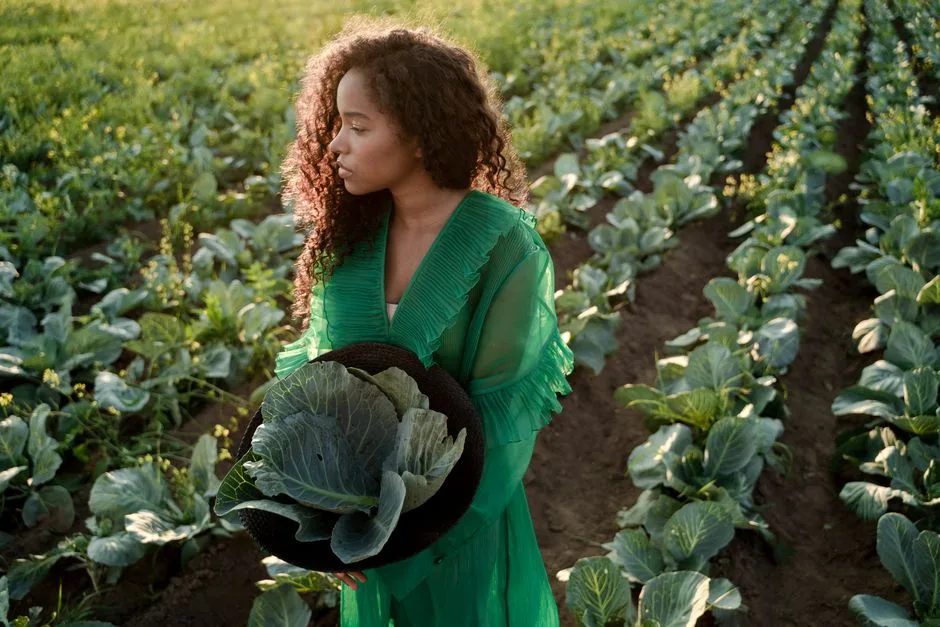
Understanding water use is essential for designers who want responsible sourcing. Even small improvements in irrigation efficiency can cut runoff and reduce stress on local water systems. This matters when studios rely on urban farms for fresh greenery or seasonal floral accents.
Design teams can pair drought-tolerant plant palettes with solar-powered pumps to minimize grid draw. The visual impact remains strong: lush greens and vibrant blooms that hold up under studio lighting without demanding excessive resources. Awareness guides choices from palette to placement.
Tracking consumption with simple logs helps teams compare seasons and refine layouts. The data becomes part of the fashion story—beautiful spaces that reflect thoughtful, ethical production without sounding preachy.
- Measure baseline water use
- Choose drought-tolerant species
- Use solar-powered pumps where possible
- Document seasonal changes in layout
Buying and budgeting for fashion teams
Costing irrigation tech
Simple irrigation modules can be affordable and scale with needs. For a showroom or small atelier, this means trialing a compact system without large capital commitments. The upfront cost is often offset by water savings and reduced maintenance time.
- Define space and plant needs
- Select scalable components
- Request installer quotes
- Set a testing timeline
Larger fashion spaces may justify integrated systems that cover multiple zones, including backstage or showroom greenery. Procurement should emphasize compatibility with existing electrical and water infrastructure, and vendors who offer robust warranties.
Design teams should compare energy use and maintenance costs over a season rather than chasing the lowest upfront price. A balanced approach keeps the budget predictable while ensuring reliability for shoots and events.
- Estimate total system cost
- Plan for expansion
- Check warranty terms
- Assess energy consumption
Real-world case studies
Successful studio installations
A fashion studio installs a modular solar pump system to maintain a studio garden used for lookbooks. The setup keeps soil evenly moist during long shoots and reduces the need for manual watering of greenery that frames outfits. The result is consistent green visuals that don’t disrupt production schedules.
- ☐ The studio used a modular kit and solar pump
- ☐ Drip lines were tucked under plant pots
- ☐ The setup proved scalable for shoots and events
Another example shows a pop-up shop using compact drip lines under planters along the storefront. The system runs on daylight hours, keeping roots hydrated without visible hoses or cords that clash with the design. Locals notice the plants thriving and the space feeling fresh.
A larger runway venue adopts a centralized controller with weather-based adjustments. This reduces water waste and keeps decorative greenery thriving through weeks of heavy foot traffic and lighting heat. The team reports fewer last-minute watering checks.
- Modular systems fit tight spaces
- Drip lines hide under planters
- Weather-based control reduces waste
- Fewer last-minute watering checks
Frequently asked questions
Are solar irrigation systems reliable for busy fashion spaces?Yes, when chosen with modular components and scheduled maintenance. Reliability comes from a clear plan: test in low-stakes areas, then scale. Expect occasional recalibration after seasonal changes or heavy use.
Can I hide equipment in decorative planters or under steps?Yes. Compact, shielded hardware fits behind greenery and within architectural features. A maintenance routine should still access connections and filters without disassembling decor.
What should a budget estimate include for a fashion team?Include equipment, installation, a maintenance tune-up, and a seasonal recalibration. Add a small contingency for sensor replacements and potential upgrades to fit new spaces.
Is this relevant to pop-up shops or runways?Absolutely. Portable, modular systems suit temporary spaces where water needs to look effortless and green spaces must endure intensive use and rapid setup.
Conclusion
Takeaways and next steps in this guide focus on practical, repeatable action. Start with a small pilot garden, then expand to backstage and showroom spaces as confidence grows. The goal is to keep plants healthy without complicating production.
A deliberate rollout with modular components and a clear maintenance plan turns irrigation into a design asset. Track outcomes, learn from each shoot, and schedule a review before the next season to refine the approach.
Add Hair Cut Styles as a preferred source on Google


