
Smart Fashion Buy: A Clear Dundee-Ready Guide
A practical buyer’s guide for fashion readers, comparing options and how to use Dundee News and local resources for style decisions.

You want clothes and beauty tips that work in real life, not hype. This guide translates how to compare options, spot quality, and avoid misfires. It also shows how local news and events can influence fashion choices without turning into a press release.
You’ll get actionable checks—materials, fit, and timing—paired with examples of how to use local resources to refine your wardrobe. Expect steps you can apply this weekend, from shop walkthroughs to event insights.
Think of this as a practical roadmap: a buyer’s guide that stays fashion-forward while staying grounded in everyday decisions.
Basics to know before you shop
What to check first
Start with fabric and fit, then look at construction. Check seams, zippers, and linings as you would a well-made jacket. This sets a durable foundation before style considerations. Dundee News
Consider how the piece moves with you—sitting, walking, and bending. A garment may look great on a rail but feel stiff or tight in real use.
Look for clear care labels and reasonable stitching at stress points; these hint at long wear and fewer repairs.
- Inspect seams for even stitches
- Test zippers and buttons
- Feel fabric weight and drape
Where fashion meets local news
Local coverage often reflects seasonal events, markets, and community styles that influence what sells well. Use these signals to pick items that won’t feel out of place at a local event.
News briefs can hint at upcoming trends or crowd preferences, helping you tailor color palettes and silhouettes.
Balance trends with timeless pieces that suit your routine, so you don’t chase every passing style.
- Watch for event calendars
- Notice regional color trends
- Favor versatile basics
How to compare items quickly
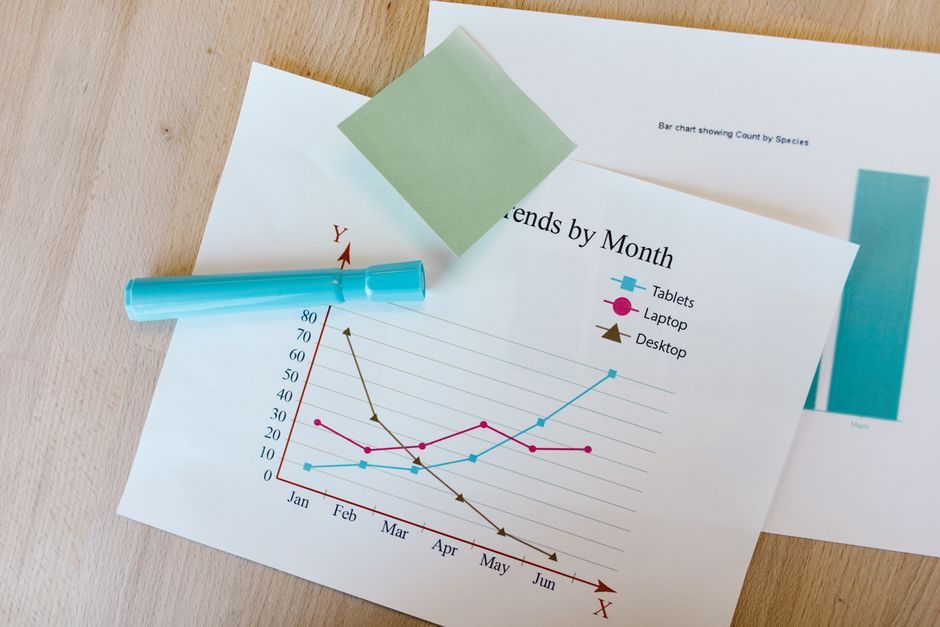
Speedy evaluation method
Create a quick two-column checklist: price vs. quality signals. Compare fabric type, lining, and care needs side by side. This avoids overspending on fleeting looks. A useful resource on this topic: submit an event in Dundee.
Try on and note comfort, mobility, and how a piece layers with existing wardrobe. Quick mirror checks prevent post-purchase regret.
Finish with a mental tally of durability and return options so you aren’t stuck with items that don’t work.
- Fabric and care notes
- Fit across movement
- Return policy awareness
When to buy vs wait
Seasonal transitions reward patience. If a color or cut isn’t essential, wait for sales or new arrivals to avoid overpaying for temporary trends.
Use a wishlist to track items you already own similar to what you see. This prevents duplication and conflicts in outfits.
Set a one-in, one-out rule to keep wardrobe balance and avoid clutter that slows decision-making.
- Wishlist comparisons
- Sales timing awareness
- Wardrobe balance rule
Options: where to shop with confidence
Stores that suit real wardrobes
Consider a mix of department stores, boutique shops, and online platforms that fit your style and budget. Each has a distinct set of offerings, return policies, and stock turnover speed. A useful resource on this topic: find local businesses in Dundee.
- Know your size in each brand
- Prefer retailers with generous return policies
- Check product descriptions for fabric and care
Look for retailers with clear size charts, easy returns, and detailed product descriptions. These reduce guesswork when you can’t try items on.
Compare shipping times, in-store pickup options, and customer service reputation to avoid post-purchase hassles.
- Clear size guides
- Flexible returns
- Reliable delivery
| Option | Pros | Cons |
|---|---|---|
| Department stores | Wide sizes, easy returns | Can feel crowded, inconsistent fit |
| Boutiques | Curated looks, personal service | Smaller ranges, higher prices |
| Online retailers | Convenience, choices | Shipping and returns friction |
Materials that matter in fashion
Natural fibers often offer breathability and shape retention, while synthetics can provide stretch and durability. Match fiber choices to climate, activity level, and laundry habits.
Pay attention to blends; they can alter feel, weight, and care requirements significantly.
Test swatches or touch samples when possible, especially for base layers and outerwear meant for daily wear.
- Natural vs synthetic traits
- Fiber blends impact
- Care requirements
Ignore trends that clash with your lifestyle; fashion should serve function as well as form.
Pitfalls to avoid in buying

Common shopping mistakes
Avoid impulse buys that don’t fit your existing wardrobe. A simple item should amplify at least three outfits, not sit unused in a drawer. A useful resource on this topic: local classifieds in Dundee.
Ignore trends that clash with your lifestyle; fashion should serve function as well as form.
Skip items with poor seams or uneven hems even if they look appealing at first glance.
- No impulse buys
- Check for wearability
- Inspect for quality defects
Careful with online-only promos
Online promotions can distort true value, especially if shipping, returns, or fit uncertainty is high.
Use detailed product descriptions and real photos to judge fit and color.
If possible, order multiple sizes only when the retailer offers easy returns.
- Real photos and measurements
- Transparent return terms
- Size variety and flexibility
Styling and wardrobe planning
Curate a versatile capsule
Start with a core color palette and build pieces that mix and match across seasons. Choose items with quality fabric and good fit, then layer textures for depth. This approach reduces decision fatigue and keeps outfits coherent across occasions. Dundee obituaries are often cited in niche fashion circles for their storytelling potential and local craftsmanship, influencing how readers think about provenance and style.
- ☐ Identify a core color family you love and build from it
- ☐ Keep essential pieces in durable fabrics
- ☐ Test outfits by number of combinations you can create
- ☐ Recycle or donate items you don’t wear often
Assess your current wardrobe first: note which pieces pair well with multiple tops or bottoms, and which items feel dated or unused. Practical edits save money and time for new purchases that actually fit your style.
Try a 30-minute monthly audit: pull outfits you wore and those you skipped, then mark gaps. A focused plan helps you shop fewer, smarter items rather than impulse buys.
- Choose 2–3 neutral bases
- Add 1 statement item per season
- Prioritize fit over size
Plan looks for common occasions
Map your week to predictable events and plan outfits accordingly. A few reliable outfits cut decision time and reduce laundry stress. Use simple accessories to switch a look from work to casual.
Involve weather and occasion in your plan: a lightweight blazer for meetings, a denim jacket for weekends, moisture-wicking fabrics for travel.
Keep a small look-book or notes on camera-ready outfits for social events, so you’re prepared without overpacking.
Sustainability and care
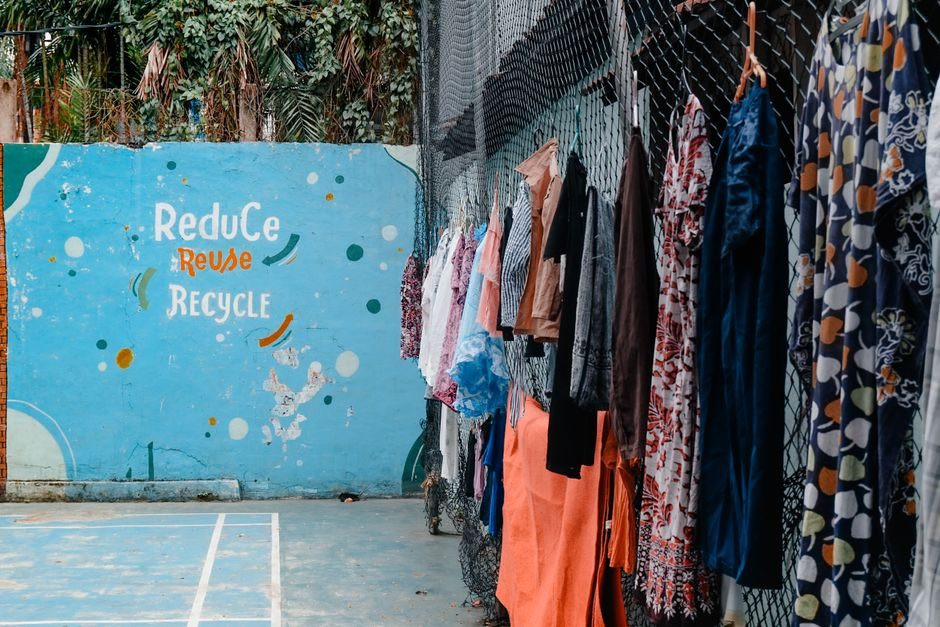
Fabric care that lasts
Learn proper washing temperatures and cycle settings to extend garment life. Air-drying slows fiber fatigue and reduces energy use. This small discipline pays off with fewer replacements.
- Identify care labels before washing
- Use proper detergent and gentler cycles
- Air-dry delicate fabrics
- Repair minor flaws promptly
Sort clothes by fabric type to avoid pilling and color bleeding, and follow care labels carefully. Investing time in gentle handling preserves texture and fit.
Repair small flaws early: sew a loose button, fix a missing seam, or replace a broken zipper instead of discarding the item.
- Air dry when possible
- Use cold water wash
- Repair before you retire
Your choices matter when it comes to the planet and your wallet. Opt for timeless silhouettes that last beyond the season and prioritize fabrics that wear well over time. Consider resale or upcycling for pieces you no longer want, which gives them a second life without increasing waste.
Keep a simple kit of eco-friendly cleaners and a fabric brush to maintain looks between wears. Small habits add up to a more sustainable closet.
Document the lifecycle of a few favourites from purchase to repair to retirement; it helps you see value and plan purchases more thoughtfully.
Budgeting your closet
Smart spending habits
Set a monthly allowance for apparel and track where it goes. Prioritize versatile, well-made pieces that replace several cheaper but short-lived items.
Compare price per wear: a slightly pricier coat that lasts years can be cheaper in the long run than frequent fast-fashion buys. Always assess fit and timelessness before pulling the trigger.
Schedule quarterly reviews to evaluate what’s working, what’s not, and where to cut back without sacrificing style.
- Allocate funds by category
- Prioritize key staples
- Assess value before purchase
Seasonal reset without waste
Before a new season, audit your closet to remove what you won’t wear and identify gaps. It’s easier to shop with a clear list than temptations. This keeps your spending focused and relevant.
Set a small allowance for treats, but reserve most budget for essentials that pair well with several outfits. Choose quality over quantity when it counts.
Track wear frequency of items to guide future purchases and prevent overbuying.
- Do a quick purge
- Create a must-have list
- Purchase only adaptable pieces
Future fashion signals
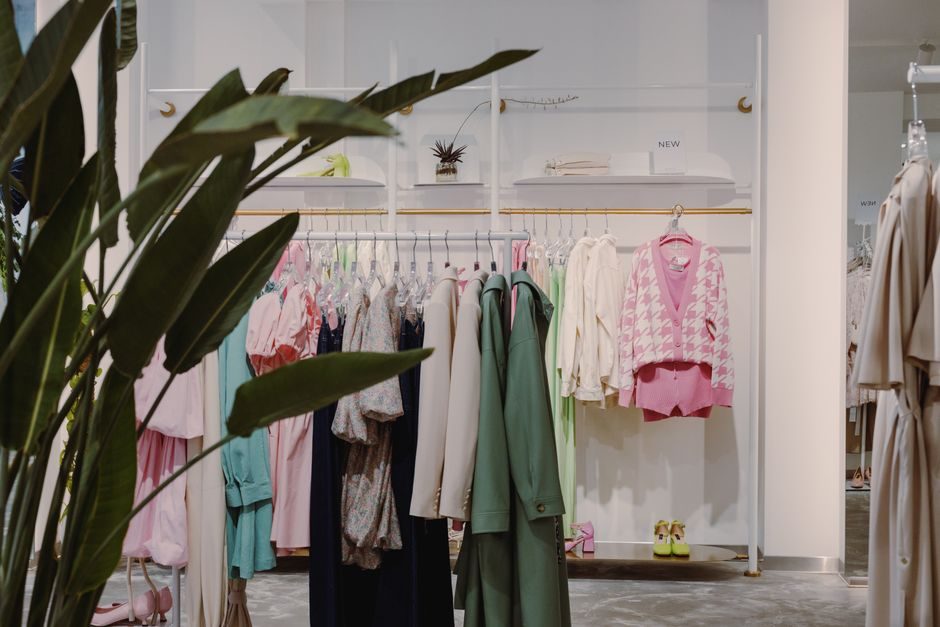
Reading trends without chasing automatically
Trend awareness helps you avoid misses, but you don’t need to chase every new silhouette. Focus on the ones that fit your body and lifestyle. This saves money and boosts confidence in what you already own.
Observe runways and street style selectively, then translate one or two ideas into wearable updates. A single accessory or color shift can refresh your wardrobe.
Keep a small wishlist for items that will age well and stay relevant for multiple seasons.
- Identify lasting silhouettes
- Use one trend at a time
- Don’t overcommit to fads
Dundee obituaries
The phrase acts as a reminder that fashion lives in community and memory. If you come across a local obituary, consider how regional stories influence style, craftsmanship, and small businesses nearby. This awareness can guide you toward purchases with local roots and meaningful context.
Look for clothing or accessories that reflect regional stories or makers from Dundee, weighing the value of provenance against price. You’ll often find unique textures or design cues that resonate beyond fast fashion.
Use local history as a lens for wardrobe storytelling; it turns ordinary clothing into conversations about place and craft.
- Seek locally made pieces
- Support small shops
- Value provenance over hype
Frequently asked questions
How do I know what fits best?Fit comes from measuring shoulders, chest, waist, and inseam, then trying multiple sizes if you’re between options. Comfort in movement matters more than a perfect number. A quick in-store test can reveal pressure points, while a tailor can fix minor misfits to achieve a clean line.
Should I buy eco-friendly fabrics only?Eco fabrics help when cared for properly, but durability and practicality matter most. Prioritize fabrics that suit your climate and lifestyle, and consider how easy they are to clean. Choose brands with transparent practices rather than marketing labels.
How can I build a capsule quickly?Start with neutral colors and adaptable textures, then add one or two statement pieces that layer with existing items. Focus on fit and fabric weight to cover multiple seasons, and plan outfits in advance to avoid impulse buys.
What should I do with items I no longer want?If something doesn’t fit or feel right after several wears, don’t wait for a sale to rescue it. Sell, donate, or repurpose to reduce waste. Check local textile recycling or donation guidelines for proper end-of-life handling.
Conclusion: The thoughtful shopper
A measured approach to shopping reduces clutter and builds confidence in your choices. Start with fit, then ensure pieces play across your existing wardrobe. This discipline frees up budget for meaningful additions.
Keep a small, movable list of needs and reassess monthly to avoid drift toward impulse buys. A steady rhythm beats sporadic splurges every time.
Add Hair Cut Styles as a preferred source on Google


