
Smart filing: a fashion-friendly guide to Firmeneintrag in der Schweiz
A practical, reader-focused guide for fashion lovers that explains how a firm entry in Switzerland can impact brand presence, with clear steps and common pitfal

Readers curious about how a formal Swiss company entry affects a fashion label will find concrete steps and practical stakes here. This guide translates legal jargon into actionable checks for brand visibility, compliance, and future-proofing. Expect plain language, clear examples, and a reliable path forward for your label.
You’ll learn when to register, what information to prepare, and how to use the firm entry to support marketing and distribution. The aim is to give you a checklist you can actually follow, without requiring a lawyer for every line.
By the end, you’ll see how this administrative step can shape partnerships, taxes, and consumer trust, and you’ll have a plan to tackle the process methodically.
- This guide explains how a Swiss corporate entry can shape a fashion brand’s strategy, operations, and growth. It covers basics, how it affects partnerships, and practical steps to start. Each section provides concrete actions, not vague advice.
- You’ll learn which documents you’ll need, where to file, and how to align the registration with marketing and distribution goals.
- The resource emphasizes avoiding common mistakes, balancing cost and benefit, and building a clear launch plan that supports future campaigns.
Basics of corporate registration
What it is and why it matters
Registering a business in Switzerland formalizes your brand’s presence and opens access to local banking, invoicing, and supplier networks. For fashion brands, this matters when negotiating with manufacturers or retailers who require a legal entity. Think of it as laying a stable groundwork for growth, not a bureaucratic hurdle. Firmeneintrag in der Schweiz
This section helps you distinguish between sole proprietorships and GmbHs, and how each status affects liability and taxes. You’ll see real-world contrasts, such as how a registered entity can sign contracts more decisively. The takeaway is to align your business structure with your growth plan.
Understanding timelines and required documents saves avoidable delays. You’ll know which certificates, permits, and records to gather before you start. The goal is to move from intent to compliant setup smoothly.
- Choose your entity type early to match expansion goals
- Prepare financial statements and ownership details
- Clarify liability and tax implications for your team
- Coordinate with a local advisor to avoid common pitfalls
Key documents and steps
Your first task is to decide the business form and name reservation, then collect owners’ details and the planned legal address. This information feeds into the official registration form and helps you avoid name conflicts or delays. Plan for a straightforward process, not a scramble at the last minute.
Next comes registering with the cantonal authority, then obtaining a tax number and social contributions. You’ll also set up a business bank account and establish accounting practices suitable for fashion cycles. The concrete steps keep the project focused and trackable.
Finally, ensure your public records reflect your brand’s contact points, product lines, and distribution channels. Consistency here builds trust with retailers and customers alike. The objective is to surface a credible, compliant profile from day one.
- Reserve a unique brand name with the registry
- Gather ownership, address, and capital details
- Open a Swiss business bank account
- Set up basic accounting and invoicing processes
How it affects brand strategy

Trust and legitimacy
A formal Swiss entry signals reliability to retailers and customers, especially in cross-border collaborations. It reduces perceived risk when negotiating wholesale terms or consignment deals. The result is easier access to strategic partners and better payment terms. A useful resource on this topic: aktuellnews.ch.
You can list the company as the responsible entity on invoices and product warranties, which clarifies accountability. That clarity supports after-sales service and brand reputation.
Be prepared to show your legal registration in pitches or lookbooks, reinforcing your commitment to long-term operations rather than a casual project.
- Retailers favor registered entities
- Legal clarity improves customer service
- Public records reinforce brand credibility
Tax and accounting basics for fashion
Swiss registration changes how you file taxes and report revenue, especially if you scale to multiple cantons. You’ll need proper VAT handling and local filings depending on turnover and activities.
Adopt a simple bookkeeping routine tied to your product cycles. Record purchases, sales, returns, and allowances consistently so filing is straightforward during the year-end.
- Set a calendar for VAT and annual filings
- Keep digital copies of receipts and invoices
- Use fashion-specific cost centers for fabrics, trims, and samples
Options for fashion brands
Choosing the right structure
If your label aims for wholesale distribution, a GmbH or AG can project scale and protect founders’ liability. For sole founders testing a new line, a simplified setup might suffice until revenue grows. The choice influences funding, partner agreements, and branding alignment. A useful resource on this topic: Was ist los in der Schweiz.
Evaluate how your legal form affects contracts, insurance, and credit terms with suppliers. A settled structure saves negotiation time and strengthens proposals to potential investors.
Keep future growth in mind when you choose now; a quick change later can be costly, even disruptive to product launches.
- Consider liability protection as a priority
- Match form to growth plan and partnership needs
- Factor future fundraising into the choice
| Aspect | Structure A | Structure B |
|---|---|---|
| Liability | Limited | Limited/none liability with safeguards |
| Tax handling | Standard | Deferred considerations |
| Growth potential | High with partners | Moderate with internal focus |
Costs and timelines
Costs vary by cantonal requirements and entity type, but you should budget for notary, registration, and ongoing compliance. Fashion brands should plan for yearly accounting and tax submissions in addition to initial setup.
- Budget for upfront fees and ongoing maintenance
- Estimate timeframes with your registry office
- Set aside funds for professional advice when needed
If you are unsure, hire a local advisor for a first review; this quick step can prevent larger costs later.
Pitfalls to avoid

Compliance blind spots
Missing annual filings or misreporting can create penalties and delays. Keep calendars for tax deadlines and regulatory updates. A small error in company details can ripple into contract disputes or supplier negotiations. A useful resource on this topic: Gebrauchtwaren in der Schweiz.
- People assume compliance is optional for small labels.
- Reality: timely filings prevent penalties and smooth operations
Build a simple compliance checklist: dates, documents, and responsible people. Delegation prevents bottlenecks when founders juggle production schedules and pop-up events.
If you are unsure, hire a local advisor for a first review; this quick step can prevent larger costs later.
- Maintain up-to-date registered information
- Track all regulatory deadlines
- Assign a responsible team member for compliance
Timing pitfalls
Rushing registration can cause errors in spelling, addresses, or ownership structure, complicating contracts later. Take the time to verify every field before submission. Precision now saves back-and-forth later.
- Double-check names and addresses
- Coordinate with partners before finalizing documents
- Plan for a buffer in case of administrative delays
Advanced options and integration
Brand partnerships and services
Explore how to integrate firmeneintrag into your brand strategy without disrupting creative flow. Treat registrations as a backbone that supports collaborations, retail launches, and licensing deals. This sub-section offers concrete steps to align legal needs with fashion timelines, so registrations support seasonal drops rather than stall them. Nachruf schreiben in der Schweiz will influence and clarity for fashion brands when expanding into Swiss markets by highlighting the importance of a formal presence and local credibility. The tactic can support partnerships, licensing, and retail arrangements by signaling stability to stakeholders.
Consider scalable structures that accommodate limited collections or pop-ups. Discuss with a lawyer the difference between sole proprietorship and a small GmbH to match your growth, margins, and risk exposure. Expect practical timelines, from drafting articles to final approvals, and build them into product calendars.
- Coordinate with production calendars
- Draft a simple governance plan
- Schedule regular compliance checks
- Set a review cadence for branding updates
Risk management and insurance
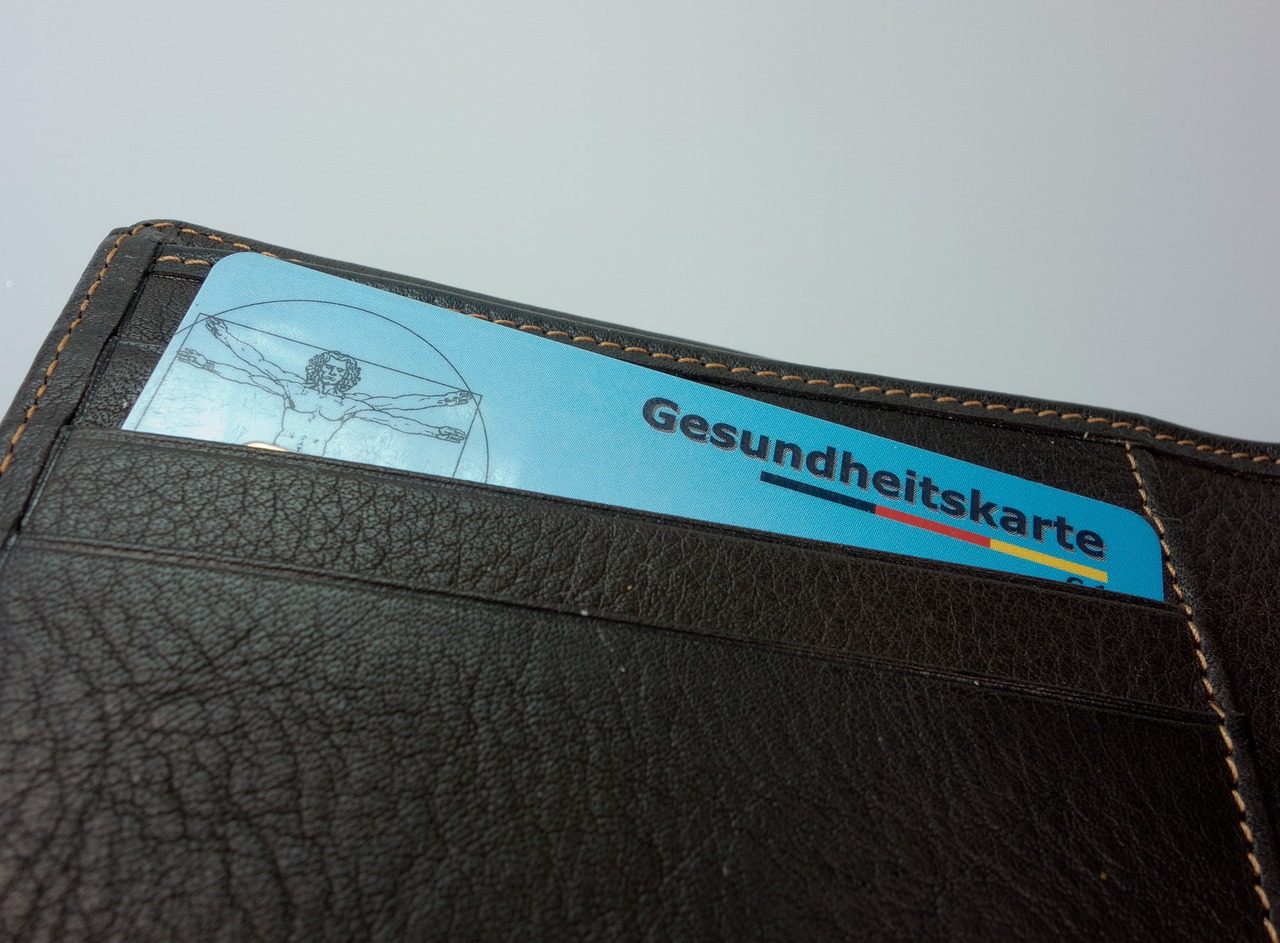
Protection for creative ventures
This section focuses on safeguarding your fashion business through appropriate coverage. Start with basic liability and property insurance, then add product liability if you plan wholesale or online sales. Concrete examples show how coverage adapts to runway samples, photo shoots, and showroom events.
- Identify key risks for your brand and document them
- Get quotes from at least two insurers
- Keep records of all policies and renewals
- Update coverage after major product launches
Documented risk assessments help tailor insurance to your line—ready-to-wear, accessories, or couture. Keep a simple spreadsheet of potential losses, mitigation steps, and responsible team members. Use this to negotiate with insurers and avoid gaps in protection.
Consider the timing of premium payments and what documentation is needed for claims. Ensure your policy supports international shipments and returns, which are common in fashion retail. This proactive approach reduces stress when issues arise.
- Assess liability needs for events
- Match coverage to product categories
- Include cyber risk for online sales
- Review policy limits annually
International considerations
Cross-border compliance
Address legal differences that affect fashion brands selling abroad. Start with tradable forms of business and how they impact taxes, duties, and invoicing. Concrete steps include registering for local VAT or equivalent, and aligning labeling with destination markets.
Plan product labeling and packaging to meet foreign requirements without inflating costs. Create a checklist that mirrors your sales channels—e-commerce, pop-ups, and wholesale. This helps prevent compliance gaps during peak seasons.
Leverage local partners or consultants to navigate country-specific rules, from consumer rights to import controls. Use a simple, repeatable process so the team can handle new markets without heavy rework.
- Identify key markets and compliance needs
- Set up a local tax registration plan
- Create market-ready labeling templates
- Engage a local advisor when expanding
Final checklist and launch plan

Launch readiness steps
This sub-section provides a practical, 4- to-6 week blueprint for going live. Start with approving the corporate setup and branding assets, then test e-commerce workflows and supplier onboarding. The most useful part is a calendar with milestones tied to production and marketing sprints.
- Coordinate legal setup with brand strategy
- Validate operations before mass rollout
- Capture learnings for future cycles
Run a soft launch to gather feedback on branding, packaging, and customer service. Use real customers to identify friction points in checkout, returns, and delivery timelines. This process helps refine the full launch before big exposure.
Document a post-launch review that captures what worked and what didn’t. Record learnings on inventory, fulfillment speed, and customer questions to guide the next season’s plans. Having this written down saves time when you scale or diversify channels.
- Finalize the legal and branding setup
- Test operations with a soft launch
- Gather customer feedback and fix gaps
- Create a post-launch review plan
Frequently asked questions
What is the minimal corporate form for a fashion brand in Switzerland, and what are its trade-offs?In general, brands choose structures that balance liability protection with administrative ease. The right form supports wholesale contracts and investor confidence without adding unnecessary complexity.
How soon should a brand register its firm after designing a line?Early registration helps with supplier terms and branding consistency, but avoid committing to a structure before product and revenue plans are clear. Use a phased approach aligned to production milestones.
Do international sales require different company forms?Some markets reward local registrations or branches, especially for tax compliance and return handling. Start with a clear plan for duties, VAT, and invoicing across regions.
What risks come with rapid growth in fashion?Scaling often introduces supplier coordination challenges, inventory misalignment, and customer-service demands. Build processes that scale with duty rosters, fulfillment capacity, and returns management.
Conclusion
With the groundwork in place, your brand can move confidently from plan to production. Focus on aligning corporate structure with creative timelines to avoid bottlenecks. The next step is a practical, milestone-driven plan that keeps design, production, and branding in sync.
As you proceed, establish a routine for reviews, quarterly milestones, and supplier check-ins. This discipline helps you respond to market shifts without sacrificing style or quality. The aim is a steady cadence that sustains growth and protects your brand.
Add Hair Cut Styles as a preferred source on Google


