
Smart local classifieds: how fashion readers use US listings
A practical guide for fashion readers on using local classifieds in the USA, with clear steps, risks, and tips to find stylish pieces safely.

You want to shop smartly without overpaying or buying risky pieces. This guide translates classifieds into fashion savvy, showing where to look, what to verify, and how to negotiate with confidence. You’ll learn practical steps that fit a busy wardrobe and a stylish budget, from credible listings to safe pick-ups.
Exploring local classifieds becomes part of your style toolkit: it’s not just thrift hunting, it’s curating a closet with intention. We’ll compare common platforms, outline a quick vetting routine, and offer real-world examples to guide your eye. By the end, you’ll know how to spot value, avoid scams, and stay aligned with your personal aesthetic.
With clear, actionable checks, you’ll feel prepared to hunt for standout pieces close to home. The plan balances speed and scrutiny, so you can snag chic finds without sacrificing your standards. This isn’t a scavenger hunt; it’s a smart buying habit you can rely on.
- Search strategically by local markets and trusted apps. Prioritize complete descriptions, multiple photos, and clear measurements.
- Vet quality with attention to stitching, fabric, and wear; request extra close-ups when needed.
- Compare platforms, note policies, and avoid rushed decisions by sticking to your checklist.
- Safety, clarity, and a strong return policy save time and money in resale fashion.
Basics of finding fashion on classifieds
Where to look first
Start with locally focused marketplaces and trusted apps that cater to fashion. Filter by brand, size, and condition to save time. Look for recent activity and clear photos that show details like stitching and fabric. local classifieds in the USA
Compare listings by price range and condition, noting patterns in how sellers describe items. Prioritize pieces that are clean, unstained, and photographed from multiple angles. If a listing lacks measurements, ask for them promptly.
Always check return options or seller openness to meet in a public place for safety and sanity in the deal.
These two strings describe the practical checks for listings; the box content should be two factual sentences about myths and facts.
- Filter by location and size to narrow results
- Ask for measurements and fabric details
- Inspect photos for wear and alterations
- Verify seller responsiveness before meeting
What to confirm before meeting
Always arrange a public meeting spot in daylight and bring a friend if possible. Confirm item details beforehand, including size, measurements, and any flaws. Plan a quick try-on if the seller agrees, and have a trusted scale or tape measure handy.
Trust your instinct: if something feels off about the listing or the seller, step back and look for other options. A well-described listing reduces friction at the meetup.
Keep receipts or proof of purchase when available, and clarify payment methods to avoid disputes later.
These sentences reinforce the importance of safety and clear communication when arranging a meetup.
How to vet items for quality and fit
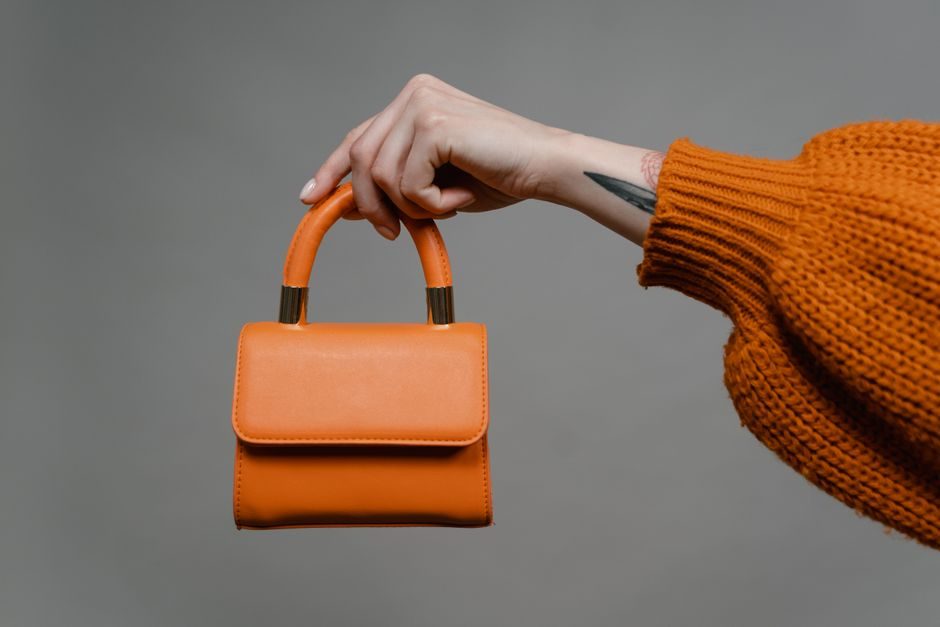
Quality indicators
Check stitching, seams, and fabric adherence in photos or in person. Look for even hems and intact zippers. Hold the garment up to light to see fabric wear and potential thinning. A useful resource on this topic: latest news USA.
Question wear through elbows, knees, or pockets; these areas reveal much about long-term durability. Compare materials to known standards for their category to gauge value.
If the listing includes a fabric tag, verify care instructions and fiber content to plan upkeep and longevity. A well-made piece often resists pilling and stretching longer than expected.
These two sentences describe two practical checks about fabric and construction.
- Inspect seams and hems
- Test zippers and closures
- Check fabric for pilling or thinning
- Compare with known fabric standards
Sizing and wearability
Sizes vary by brand and region, so rely on measurements rather than generic labels. Ask for chest, waist, hip, and length in inches or centimeters. Compare these numbers to your own drafts of how garments fit on you.
Consider how you’ll wear the piece: will it layer well, work with staples, or suit your lifestyle? Try to imagine real scenarios to avoid off-brand purchases.
Always check return policies if the fit is uncertain, or ask for easy exchanges if the item doesn’t work after a try-on. A flexible policy reduces risk.
The box presents key takeaways about fitting and policy, focusing on practical steps rather than abstract advice.
How to choose between platforms and listings
Platform pros and cons
Some platforms emphasize brand-new or lightly used items, while others curate vintage and thrift finds. Choose based on your need for trendiness, authenticity, or sustainability. Evaluate listing clarity and buyer protections. A useful resource on this topic: get your event listed in the USA.
Platform policies influence price and risk: look for detailed item descriptions, clear photos, and visible seller feedback. Favor listings with transparent timelines for payment and delivery.
Be mindful of platform fees, shipping expectations, and return windows; these shape the overall value of your purchase and your satisfaction with the deal.
This box would present two factual ideas that contrast myths and realities about platforms.
- Brand-new vs vintage focus
- Seller feedback relevance
- Clear photos and descriptions
- Return and delivery policies
| Option | Pros | Cons |
|---|---|---|
| Auction vs fixed-price | Potential bargains, fast turnover | Higher risk of overpaying or misrepresentations |
| Curated vintage | Unique pieces, story value | Limited sizes and higher demand |
| Garage-sale style postings | Low prices, local finds | Less reliable descriptions, more time needed |
Shop speed vs caution
When you’re hunting quickly, rely on a short checklist: verify measurements, inspect photos, and confirm the meeting plan. A fast search can still be thorough if you stick to essential questions.
Slow down for high-ticket items or pieces with sensitive materials like leather or fur; ask for provenance, care history, and authenticity markers when relevant.
Document every step: save screenshots of listings, note seller responses, and summarize the agreement before exchanging money.
Consider the logistics: if a listing asks for unusual payment methods or rushes you to finalize, treat it as a warning sign.
Assessing risk and scams

Spotting red flags and patterns
Begin with a cautious mindset: unusual prices, vague descriptions, or missing photos are common signals. Look for consistent details across pictures, measurements, and delivery terms. If something feels off, move on and compare similar listings elsewhere. A useful resource on this topic: register your company in the USA.
- Look for clear photos with close-ups of flaws.
- Read the seller’s about section and selling history.
- Use the platform’s messaging to keep a record of conversations.
Cross-check the seller’s history and feedback when available. Prioritize profiles with verified information and clear communication. Ask direct questions and note response time to gauge reliability.
Consider the logistics: if a listing asks for unusual payment methods or rushes you to finalize, treat it as a warning sign. Favor platforms that offer protection and clear refund policies.
- Ask for multiple photos showing tags, seams, and flaws
- Request measurements and return policy in writing
- Check for consistent seller history and verified contact details
- Prefer platforms with buyer protection and clear dispute processes
Budgeting and value
Setting realistic spend limits
Begin by assessing your wardrobe gaps and how a piece will fit your style goals. Create a small, prioritized list to avoid impulse buys. This keeps spending aligned with what you’ll actually wear. place an obituary in the USA
Compare similar items across listings to understand fair value. Note differences in condition, fabric, and alterations that affect price. Low-cost options can surprise you with better wearability if they’re well cared for.
Track total spend for the season and assign a ceiling to avoid financial strain. If a bargain seems risky, pass and save for something you’ll wear weekly.
- Create a short wishlist with 3-5 items
- Check condition notes against photos
- Factor shipping into total cost
- Avoid outfits bought on a whim
Alternatives to buying
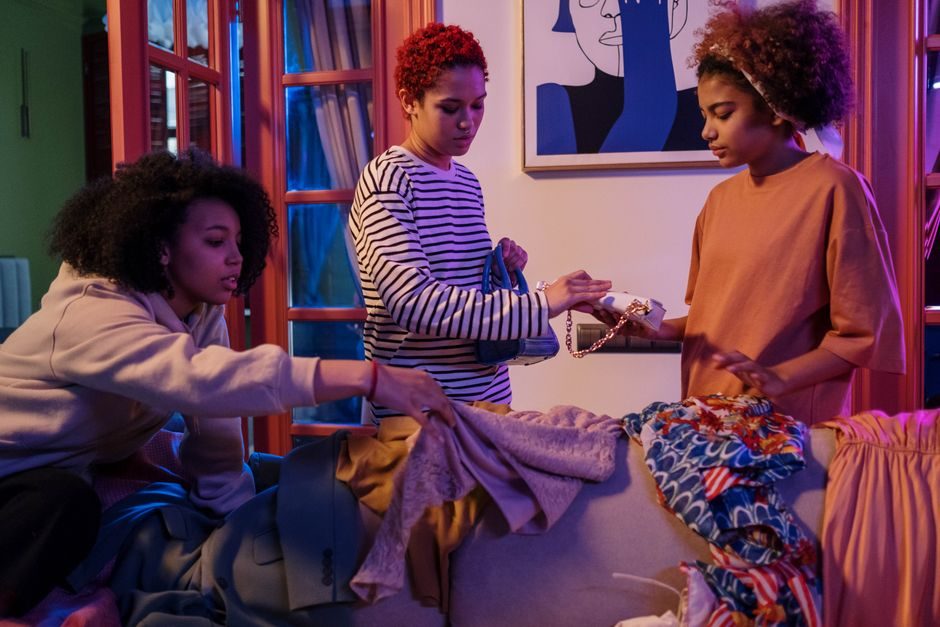
Renting or borrowing for events
Renting gives access to statement pieces without long-term commitment. Choose platforms that show clear rental terms and care instructions for each item.
Borrowing from friends or local fashion circles can refresh your look without cash outlay. Establish timing and return expectations to keep relationships smooth.
If you’re unsure about fit, opt for rental or borrow options first, then decide on a purchase if you’ll repeat the look.
- Check return windows and late fees
- Inspect wear and tear notes before shipping
- Confirm what accessories or care items are included
- Consider your event calendar for timing
Putting it all together
A practical buying routine
Start with a quick shot of what you already own to identify gaps. Match each potential find to at least two existing pieces to ensure versatility and multiple outfits.
Create a short checklist: condition, size, measurements, return policy, ship time. Use it every time you assess a listing to stay consistent.
Finish with a simple decision rule: if any item misses two critical checks, walk away. This keeps your cart clean and your closet cohesive.
- Complete measurements from the listing
- Verify return policy in writing
- Check shipping duration and carrier options
- Compare with at least two similar listings
Frequently asked questions
Can I trust local classifieds for fashion bargains?Local classifieds can yield great finds if you approach them with a plan. Prioritize listings with clear photos, complete measurements, and a transparent return policy. Use a payment method that offers buyer protection, and keep records of all communications.
What should I do if a listing looks perfect but the price is too low?Low prices often reflect hidden flaws or urgent selling pressure. Request close-up photos of seams, zippers, and fabric, and ask direct questions about any defects. If details are missing, continue shopping elsewhere to compare value before committing.
How can I verify a seller’s credibility quickly?Check response speed, consistency in photos, and the level of detail in their description. Look for a verifiable email or profile and avoid sharing sensitive information until you have a secure payment method. Favor listings with verified buyer protections.
What should I do about sizing when buying secondhand?Use listed measurements and compare them to a garment you own that fits well. If measurements are missing, ask for chest, waist, hip, and length. Remember that alterations can affect fit, so factor potential tailoring into your decision.
Putting fashion safety first
In local classifieds, staying selective matters as much as speed. A careful checklist helps you avoid ill-fitting buys and scams, while still landing standout pieces that fit your wardrobe. The next step is to practice a quick routine before you click buy: confirm measurements, return terms, and ship times.
Pair a disciplined approach with a flexible mindset: you can snag exciting finds without compromising style or budget. Build a small habit of reviewing listings side by side and tracking what you actually wear. Then, decide on one rental or one purchase per month to keep your closet fresh.
Add Hair Cut Styles as a preferred source on Google


