
Smart Timing for Fashion: Practical Tools for Style and Speed
A clear buyer’s guide on choosing time management and planning tools that help fashion readers stay on trend, organized, and efficient.

How you manage time shapes your style outcomes. This guide explains practical tools that help you plan outfits, schedule shoots, and track fashion projects without slowing you down. You’ll learn how to pick resources that fit a busy wardrobe and a changing schedule.
By focusing on real-use features—calendars, checklists, and collaboration options—you’ll reduce late-night decision fatigue and keep creativity flowing. The goal is clear: save time, elevate outfits, and stay consistent with your fashion goals.
Across the examples, expect concrete steps you can take this week to evaluate tools, test workflows, and adapt to your personal style pace.
- Choose a planning tool that fits your routine and reduces decision fatigue.
- Link outfits to events and test combinations in natural light to gauge real results.
- Coordinate with collaborators using simple, shared boards to stay on track.
- Regular, brief reviews prevent drift from your fashion goals.
Foundations of smart planning
Define your style calendar
Start by mapping your typical week and noting when you need to look polished. A simple calendar helps block time for shopping, fittings, and photo shoots. This is about aligning priorities with deadlines, not chasing every trend. Avukatlar için Süre Hesaplama Araçları
Next, choose a minimal set of tools that cover planning and reminders. If you prefer low friction, a single app with lists and calendar works best. Avoid adding features you won’t use regularly.
Finally, set a weekly review to adjust plans, drop unused ideas, and reallocate time to projects that move you forward.
- Block time for outfits and fittings
- Set reminders for deadline-driven tasks
- Review and prune unused ideas
- Keep a one-page plan for each project
Tools worth evaluating
Consider calendars, checklists, note apps, and collaboration platforms that fit how you work. The right mix keeps you organized without adding friction. Look for intuitive layouts, smart reminders, and easy sharing with a team or stylist.
Test whether the tool synchronizes across devices. If you often switch between studio and street, seamless syncing matters more than flashy features.
Prioritize reliability and clear export options so you can reference plans later or share them with collaborators.
- Calendar + checklist combo
- Offline access
- Team sharing features
- Clear export formats
How to integrate with your wardrobe
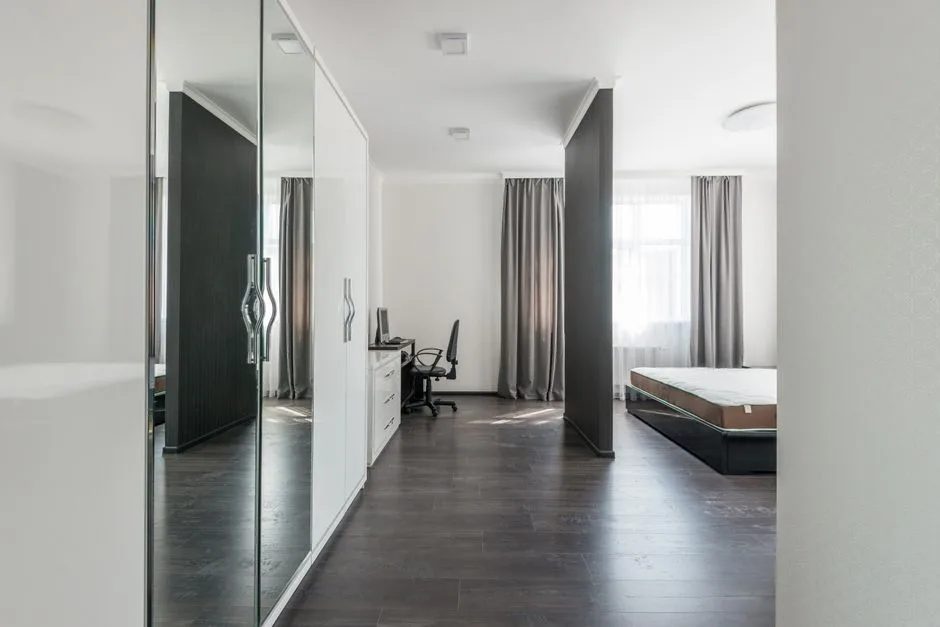
Link outfits to events
Start with a simple event checklist—date, dress code, location—and match items you already own. This reduces impulse buys and keeps your look cohesive. A quick mood board can help you visualize color and texture harmony. Çankaya Avukat
- ☐ Define event requirements
- ☐ Match wardrobe items
- ☐ Create a visual guide
- ☐ Review before the day
Then test combinations virtually by photographing key pieces in natural light. This reveals how fabrics behave under different lighting and helps you decide what to wear on the day.
Finally, document your go-to looks in a portable guide you can reference before a date or shoot.
- Create event-based outfit links
- Photograph fabrics under light
- Build a portable look guide
Plan shopping and edits
Use your calendar to schedule wardrobe replenishment and seasonal edits. Set thresholds for when a piece should be updated or retired. This keeps your closet fresh without overhauling it every season.
Track items by cost per wear and versatility, not just trendiness. Favor timeless foundations that pair with multiple outfits.
Finally, allocate a small budget for experiment pieces so you can test new styles without sacrificing balance.
- Schedule wardrobe refreshes
- Track cost per wear
- Prioritize versatile pieces
- Budget for experiments
Options for collaborators
Team-based planning
If you work with stylists, photographers, or designers, choose tools that allow shared boards and assignments. Clear roles prevent miscommunication and keep shoots on track. A simple shared list can replace long email threads.
Use color-coded tags to track status: ideas, in-progress, and approved. This makes quick status checks possible on busy days.
Regular check-ins help too, but keep meetings brief and purposeful.
- Shared boards
- Color-coded status
- Brief check-ins
| Aspect | Option A | Option B |
|---|---|---|
| Organization | Calendar + checklist | Notes app + folders |
| Collaboration | Shared boards | Email threads |
| Offline access | Limited | Strong |
Independent tools for solo work
For freelancers or solo stylists, a robust mobile setup matters. Choose tools with offline notes and strong photo reminders so you can plan while traveling. This reduces the risk of missing inspirations when connectivity is spotty.
Keep a small archive of inspirational looks and fabric swatches. Quick access to these references speeds up styling decisions.
End with a personal workflow that blends planning with creative sessions.
- Offline notes
- Photo reminders
- Inspiration archive
- Personal workflow
Start by listing what matters most for fashion work: speed, collaboration features, and asset management.
Beyond basics: choosing the right platform
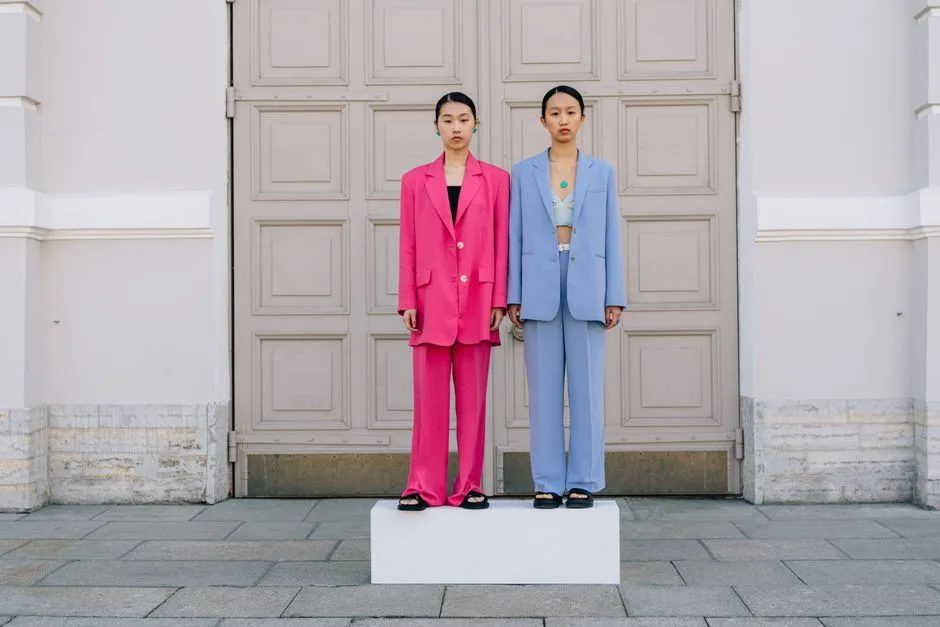
Platform characteristics to compare
Start by listing what matters most for fashion work: speed, collaboration features, and asset management. Compare platforms on how quickly you can assign tasks and track edits. Look for built-in style guides or templates that keep a shoot cohesive from concept to final look.
In practice, choose a platform that fits your team size and workflow. If you shoot daily, prioritize speed and mobile access. If you work with freelancers, look for clear commenting and version history to avoid lost ideas.
Consider how the platform handles approvals and revisions. A simple, visible approval flow prevents bottlenecks and keeps your calendar on track.
- Speed matters for last-minute tweaks
- Clear version history saves miscommunication
- Templates keep consistency across shoots
From concept to shoot: managing timelines
Scheduling that respects reality
A practical timeline starts with a realistic shooting window and a buffer for delays. Map dependencies like hiring, location permits, and model availability to your date. Build a daily plan that includes setup, lighting tests, and contingency time for weather or wardrobe issues.
Communicate deadlines clearly to every contributor and confirm their capacity. A shared calendar helps everyone see milestones at a glance. Update timelines as soon as a constraint shifts to keep the project on track.
Avoid overloading a single day with tasks that require different teams. Separate fashion styling from technical checks to reduce bottlenecks and keep momentum.
- Set a primary date with a 2-3 day buffer
- Share calendars with all collaborators
- Reconfirm availability a week before the shoot
Budgeting the look: costs and value
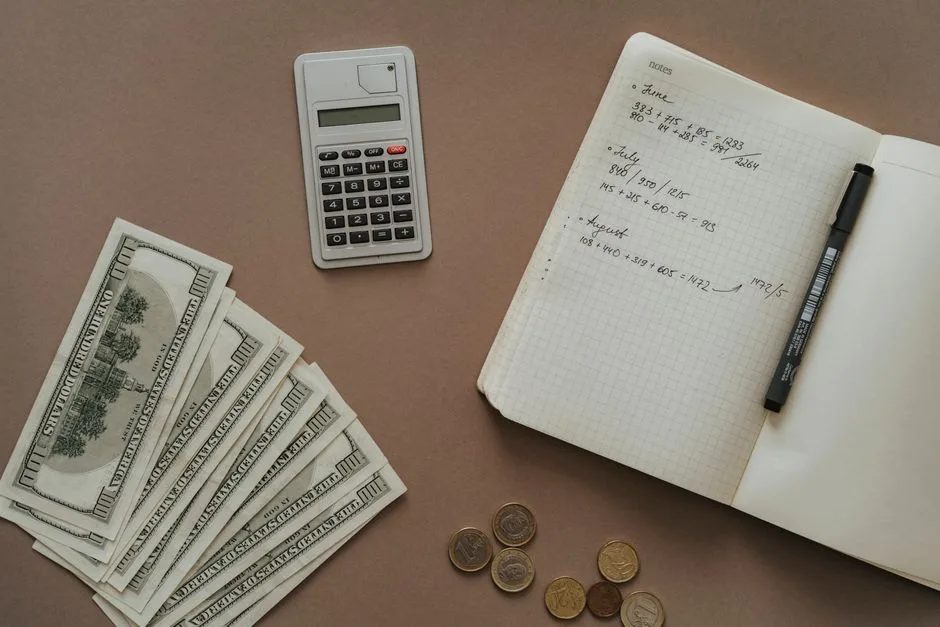
Balancing cost and impact
Start with a baseline for each major element: wardrobe, makeup, set, and talent. Track how each choice changes the overall look and your budget. Favor items that offer multiple wearings or adaptable styling to maximize value.
- Plan for wardrobe and makeup as major line items
- Choose collaborators who offer flexibility and repeat value
- Document costs and use a rolling budget
Assess whether hiring a stylist, a makeup expert, or a stylist-in-residence adds more value than a one-off option. Consider long-term relationships that reduce repeated setup costs.
Keep a running tally of expenses and adjust as you refine the concept. Small changes early in the process can prevent big overruns later.
- Prioritize multi-use pieces
- Seek long-term collaborations
- Monitor costs against the final look
Avoiding common missteps in fashion timing
Red flags to watch for
Inaccurate timing happens when team availability is assumed rather than confirmed. Always verify schedules with a quick check-in before finalizing dates. A late change can cascade into missed deliveries and rushed decisions.
Overreliance on a single person slows progress. Build backups for key roles and ensure someone else can approve color decisions or wardrobe changes.
Failing to align concept with practical logistics leads to a look that cannot be produced. Always test the concept on a small scale before committing to the full shoot.
Prepare for last-minute tweaks without sacrificing quality. Have a plan for rapid adjustments to lighting, styling, or wardrobe when needed.
- Confirm availability early
- Create backups for critical roles
- Test concepts on a trial run
Frequently asked questions
How detailed should a production calendar be for a fashion shoot?A production calendar should outline each stage from concept approval to delivery. Include dates for sourcing, fittings, styling, shooting, and post-production. Allow buffers for location access, weather, and last-minute changes. A shared version keeps everyone on the same page and reduces miscommunications.
What’s the best way to handle outfits with multiple looks?Group outfits by color families and silhouette to streamline styling and fittings. Create a simple lookup sheet with model, look, and accessory constraints, so team members can anticipate changes. Build in extra time for quick wardrobe swaps between looks during the shoot.
How can I keep costs in check without sacrificing quality?Prioritize pieces with multiple uses and neutral foundations that work across looks. Negotiate with collaborators for package deals or seasonal discounts in exchange for future work. Track every expense and review mid-project to redirect funds where they matter most.
When is it better to push a concept to a different season?If you’re unsure about a location, wardrobe, or model availability, it’s safer to postpone rather than force a flawed concept. A season shift gives you time to secure stronger assets and refine the look so it reads clearly on camera.
Conclusion
The timing system you adopt should reduce friction while elevating the final style. Start by choosing a platform that fits how your team works, then lock in a realistic timeline and a transparent budget. This trio keeps shoots smooth and helps you publish faster without rushing the details.
Next, test your workflow with a small, controlled project. Use the pilot to surface bottlenecks, then adjust the calendar, tools, and cost controls. A refined rhythm will scale with bigger seasons and more ambitious concepts.
For a deeper understanding of this topic, Çankaya Avukat ile Stil ve Akılcı offers valuable insights worth exploring.
For more insights on this topic, you might find What to know about Çankaya Avukat particularly informative.
For more insights on this topic, you might find Süre Takibiyle Modaya Nasıl Uyum Sağlanır: particularly informative.
Add Hair Cut Styles as a preferred source on Google


