
Stay Stylish: A Clear, Fashion‑Forward News Checklist
A practical checklist guiding readers through latest news USA impacts on fashion, beauty and style, with concrete steps and real examples.

Readers want to know how current events affect their wardrobe and style storylines. This checklist translates the latest news USA into actionable fashion moves, from event calendars to shopping decisions. Expect clear steps, concrete examples, and practical tips you can apply this season.
First, assess how a news item shifts fabrics, silhouettes or color palettes for your own outfits. Second, map potential content angles for shoots, captions, and social posts that reflect reality without hype. Third, keep a bookmark of reliable resources to reference when building a look or story around breaking news.
By the end, you’ll have a sensible process for evaluating news, choosing trends, and placing timely fashion actions into your daily styling routine.
- This guide turns current events into practical wardrobe actions. It shows how to translate news into outfits, captions and shopping lists. Readers gain a reliable workflow for staying stylish without chasing every trend.
- You’ll learn to assess credibility, pick tangible pieces, and balance novelty with personal style. Each section offers concrete steps, examples, and a simple box with takeaways.
- The result is a repeatable routine: skim, select a useful takeaway, and apply it to a real look or post.
Basics you can trust
What counts as timely news
Timely news means items that affect what people wear or buy in the near term. Look for policy changes, seasonal collections, or events that shift consumer behavior. Avoid speculative claims and favor confirmed updates and credible sources. latest news USA
- Focus on news with direct fashion effects
- Verify facts before acting
- Create one concrete outfit idea per item
These items guide practical decisions like adding a color or fabric to your palette. If a story mentions a trend’s staying power, note whether it’s consumer interest or marketing push. Translate that into a simple outfit plan.
Focus on relevance: does the news change availability, price or accessibility of items you would wear? If not, skip it for this checklist.
- Identify concrete fashion implications
- Check source credibility
- Prioritize items with real impact
Where to find credible updates
Rely on multiple outlets with clear sourcing rather than single posts. Cross‑check dates, official statements, and fashion industry analysis. Use a small set of trusted sites for quick reads and deeper dives.
Organize by category: runways, street style, beauty releases, and retail news. A brief note on why each item matters keeps your decisions grounded. Don’t overread minor shifts as major revolution.
Turn quick reads into a weekly brief for yourself or your team, focusing on what changes your styling or content needs to reflect.
- Create a simple credibility checklist
- Categorize by impact
- Summarize for quick reference
How to translate it to looks
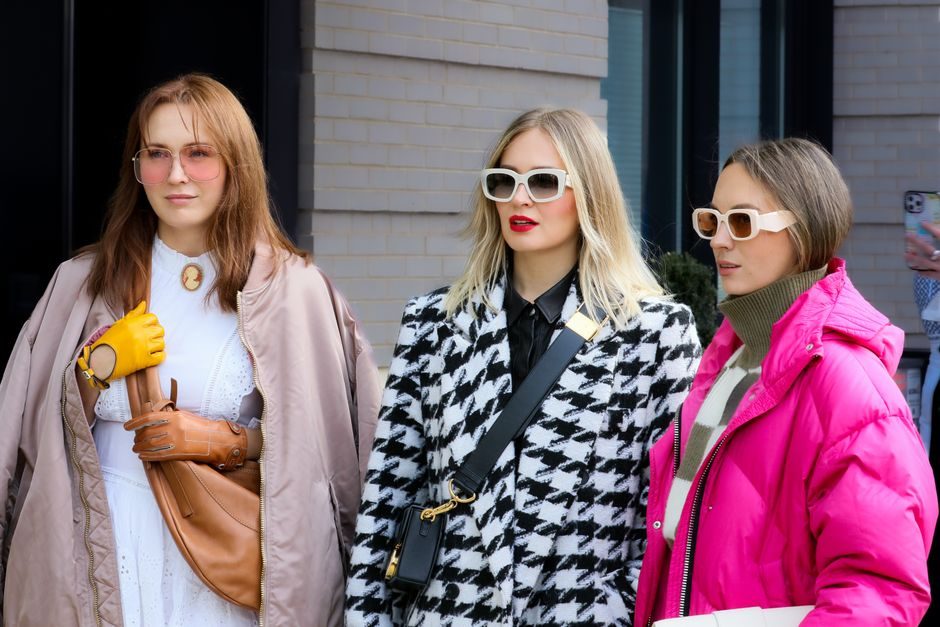
From news to outfit ideas
Start with a core piece that aligns with the news item, then build variations around it. For a color update, pair a new shade with neutral basics for balance. This keeps your look grounded while signaling current relevance. A useful resource on this topic: add an event to the USA events calendar.
- Myth: News dictates a full wardrobe overhaul
- Fact: News guides small, practical edits that fit your style
Draft two looks: one polished, one casual, both informed by the item. Note how silhouettes, fabrics, and accessories shift with the news context. This gives you usable wardrobe prompts, not mood boards.
Document the practical steps in a quick checklist you can pull before a shoot or a day out, ensuring you don’t overdo a single trend.
- Choose a core piece
- Create two adaptable looks
- Record practical steps for quick use
Balancing trend and personal style
Trend awareness should support, not replace, your signature look. Use news as seasoning rather than the main course, selecting items that complement your existing palette and silhouettes.
Test new pieces in low‑risk contexts like weekend outings or social runs. If they feel forced, scale back and save the idea for a future season when it feels natural.
Keep a running list of styles you like from the news and track how often you actually wear them to avoid fashion fatigue.
- Preserve your core style
- Test new items in casual settings
- Track real-wear over time
Options for how you respond
Direct styling actions
Choose practical actions you can complete in an afternoon. Swap a belt or bag to echo a current news‑driven color or texture. Add a simple accessory lift rather than a full outfit reboot. A useful resource on this topic: add your business to the USA business directory.
If a story hints at sustainable fabrics, opt for a small update like a recycled‑material scarf. Small changes accumulate into a thoughtful wardrobe evolution.
Document the outcome with a photo or caption to reinforce the connection between news and your look.
- Swap a single accessory
- Choose sustainable updates
- Capture before/after visuals
| Option | What it changes | Best use case |
|---|---|---|
| Direct styling actions | One accessory swap; adds a current feel | When a story aligns with your look palette |
| Content and caption ideas | Contextualizes the look; teaches readers | For editorial posts that explain the why behind the outfit |
| Shopping with the news | Guides purchases toward versatility | When building a season-ready capsule wardrobe |
Content and caption ideas
Translate news into captions that explain why a look works in context, not just what’s on trend. Short, clear notes about color story or fabric can add credibility to posts.
When writing about a news item, link to a practical takeaway for readers: how to mirror the idea in their own wardrobe or routine.
Keep captions concise and focused on the wearer’s experience, not headlines.
- Write clear rationale
- Offer practical takeaways
- Keep captions reader‑centered
Reassess after a few wears whether the impulse aligns with personal style and lifestyle.
Pitfalls to avoid

Common blind spots
News-driven fashion can push you to imitate rather than adapt. Watch for items that don’t fit your climate, budget, or wardrobe cadence. If a piece or trend requires rapid changes, reframe it as a small, time‑bound experiment. A useful resource on this topic: post a classified ad in the USA.
Balance novelty with utility to prevent wardrobe fatigue. Favor pieces you can wear across multiple occasions and seasons.
Reassess after a few wears whether the impulse aligns with personal style and lifestyle.
- Avoid impulse buys
- Check climate and practicality
- Reassess after limited wear
Avoiding over‑exposure
Excessive focus on news can turn content into noise. Use restraint by choosing one or two stories per week to weave into outfits rather than chasing every update.
Keep a simple framework for when and how you react publicly, so your posts stay coherent and authentic.
If a story lacks a clear fashion angle, treat it as background context rather than the main feature.
- Limit weekly picks
- Maintain a consistent voice
- Reserve posts for items with clear fashion relevance
The future of fashion and news
Spotting trends early in media
The most useful approach is to track how fashion outlets frame new stories. Look for consistency across sections like runways, street style, and editors’ picks to gauge momentum. Focus on how headlines translate into practical styling ideas for readers.” obituaries in the USA
This section translates news into wearable guidance, so readers can anticipate what might appear on the racks next season. Compare how different outlets discuss the same topic to spot bias or gaps. Use that insight to shape your own outfits and shopping lists.
By keeping a notebook of recurring themes, you build a personal forecast. Note which silhouettes, fabrics, and colors reappear and how they evolve. This habit makes it easier to plan cohesive wardrobes instead of chasing every trend.
- Track sources and dates for reliability
- Note recurring color families and fabrics
- Cross-check with independent fashion editors
- Assess how news affects price and availability
- Create a personal forecast from patterns
How to verify fashion sources
Cross-checking author credibility
Begin with author bios and publication history to understand expertise. Look for consistency in tone and a track record of transparent sourcing. If figures or claims arise, a quick search should reveal corroborating work or clarifications.
- ☐ Identify the author’s recent work to gauge expertise.
- ☐ Confirm that claims are supported by links or citations.
- ☐ Note any edits or updates to the story as it evolves.
Check the publication’s corrections policy and whether editors respond to reader questions. A reliable outlet will own errors and publish updates without defensiveness. This matters for readers who plan outfits around reported news.
When in doubt, compare coverage across several reputable outlets before acting on a trend. If only one source flags a story, treat it as exploratory rather than definitive. Readers gain confidence by triangulating information.
- Verify author credentials
- Look for evidence and sourcing
- Review corrections policy
- Cross-check with other outlets
- Trust stories with transparent updates
Building a fashion-forward business listing
Creating a clean listing profile
A well-structured listing helps shoppers find exactly what they need. Use clear categories, accurate sizes, and honest stock-status to reduce cart abandonment. Include high-quality images and concise, informative descriptions that reflect current trends.
Consistency matters: the same brand names, measurements, and color descriptions should align across your site and third-party listings. This reduces confusion and builds trust with readers.
Offer practical filters that match how readers shop—by color, material, size, and occasion. A simple, fast search improves the user experience and encourages longer visits.
- Clear categories and tags
- Accurate product details
- Consistent naming
- Helpful filters
- High-quality thumbnails
Posting a targeted classified ad
Writing concise, effective ads
Begin with a precise description of the item, including key features and any flaws. Readers respond to clarity, not long-winded sales language. A good ad answers the core questions before a shopper asks them.
- Describe the item clearly and briefly.
- List essential specs like size, material, and condition.
- State how to reach you and expected response time.
Highlight styling tips or pairing ideas to help buyers envision use. This makes the ad more useful than a plain product listing and can increase engagement.
Close with a practical call to action, such as available sizes, conditions, and how to contact. Avoid pressure tactics; offer a straightforward next step.
- Lead with essential details
- Include practical styling notes
- Provide exact contact options
- Set honest expectations about condition
- Offer a clear call to action
Frequently asked questions
How often should I check fashion news for a shopping plan?Aim for a quick daily scan of trusted outlets and a deeper review once a week. Prioritize reliable sources and cross-check any claim that could change how you assemble outfits or choose stores.
What makes a source trustworthy in fashion reporting?Look for clear sourcing, transparent corrections, and an editorial line that stands up to scrutiny. A trustworthy source explains its methods and updates stories when new information emerges.
How can I turn news into practical outfits quickly?Identify a core trend, pick one versatile item that fits your wardrobe, and pair it with existing pieces. Add a complementary accessory to complete the look without overhauling your closet.
Is it okay to reference broad news like ‘latest news USA’ for fashion planning?Yes, as long as you apply it to relevant fashion contexts such as events, campaigns, or seasonal collections. Use it to guide mood boards, not to dictate every purchase.
Conclusion: stay sharp, stay stylish
Stay focused on reliable sources and use news as a planning tool rather than a trigger for every buy. Build a practical mood board to guide seasonal updates and shopping lists.
Set a monthly cadence to review what’s worked, what’s flexible, and what needs replacement in your wardrobe, then act on the highest-value ideas.
Add Hair Cut Styles as a preferred source on Google


