
What is breaking news in the world? A fashion reader's guide
Understand breaking world news in plain terms and why it matters to fashion, trends, and how you shop and style today.

Breaking news in the world is fast-moving information about events that may affect daily life and markets. For fashion readers, it helps explain shifts in global culture, economy, and policy that ripple into trends and retail. This guide translates big events into practical ideas for wardrobe planning, brand choices, and seasonal storytelling.
Global events sometimes reshape what people wear, how colors trend, and which regions influence runways. By understanding the basics, you can spot the angles that matter for fashion weeks, editors’ picks, and consumer behavior. The goal is to turn complex headlines into clear, usable takeaways you can apply to outfits, purchases, and style narratives.
Being literate about headlines means separating hype from impact. You’ll learn to ask: who is affected, what changes for supply chains, and when to adjust your shopping and styling plans. The approach here centers on concrete steps, relatable examples, and careful wording so you don’t overreact to every alert.
Basics of world news
What counts as breaking news
Breaking news refers to events that unfold quickly and demand timely updates. A source may shift details as new facts emerge, so tracking reliability matters. For readers, the point is to detect relevance: does this affect fashion supply, markets, or consumer behavior? world news news should be read with a fashion eye to understand its relevance.
In practice, you’ll see alerts about politics, disasters, or economic shifts that change what people buy. Not every item is fashion-related, but many stories influence trends, manufacturing, or travel. Stay focused on how the event could impact what you wear or purchase.
A simple approach is to check whether a story affects availability, price, or style discourse in your region. If yes, treat it as potentially relevant to your wardrobe or brand choices.
- Watch for supply-chain signals that may limit items
- Notice shifts in consumer demand that change trend velocity
- Consider regional impacts on garment sourcing
- Be wary of hype unless linked to tangible effects
- Track how media frames the story for fashion implications
How to spot relevance to fashion
Ask whether a story affects fabrics, production timelines, or shipping. If a disruption delays a collection or alters costs, it matters for planning. Even without numbers, the direction of impact is enough to rethink a look or a purchase.
Consider regional coverage: events in textile hubs or consumer markets can ripple into seasonal color palettes or availability of silhouettes. Such signals help you pace purchases and reserve items you expect to trend.
Finally, distinguish urgent notices from long-term shifts. Short-lived alerts may not alter your closet, while persistent developments deserve a style-related response.
- Assess impact on fabric availability
- Check for timing that affects wardrobe calendars
- Look for shifts in color and silhouette vocabularies
- Evaluate whether a story changes shopping behavior
- Note whether coverage points to policy or travel that touches fashion
What’s on in the USA

Understanding US-focused headlines
US headlines often set the tone for North American markets and consumer confidence. For fashion readers, treat these as clues about where shoppers might focus next. If a story highlights employment, retail sales, or inflation, expect ripple effects on budgets and trend cycles. what's on in the USA signals how shoppers may respond to trends and pricing.
- US headlines can hint at broader market mood
- Consumer spending matters for collections and pricing
Interpreting such stories means translating policy or business news into runway-ready impact. A surge in demand for a category can accelerate new silhouettes or color directions. The link to outfits is usually through purchasing power and timing.
Use this lens to plan capsule wardrobes, seasonal drops, and collaboration ideas that align with consumer sentiment and shopping incentives.
- Watch for consumer confidence signs
- Note shifts in retail performance and pricing
- Link headlines to potential trend directions
- Identify regions driving fashion narratives
- Plan purchases around expected demand cycles
Practical fashion implications
News from the US can signal when to invest in versatile basics or statement pieces. If headlines point to inflation or wage trends, focus on quality basics and durable fabrics that survive changing budgets. Timing matters for sales cycles and launch windows.
For editors and shoppers, translate policy or market news into story angles: color forecasts, fabric choices, and functional styling that reflect current conditions. The goal is to stay ahead without overreacting to every update.
Finally, create a personal plan to test trends: choose a few core items that adapt across stories and seasons to avoid wasteful buying.
- Choose durable fabrics for uncertain markets
- Plan pieces that mix with multiple outfits
- Monitor US market signals for timing drops
- Balance trendiness with longevity
- Use stories to inform color palettes
Global trends and fashion impact
From headlines to runways
Global stories shape what designers imagine and what retailers stock. Reading headlines with a fashion eye means spotting phrases about migration, trade, or climate policy that influence textures, colors, and silhouettes. The connection is real, even if indirect. USA business listings can hint at shifting retail dynamics that affect capsule collections.
The translation process is practical: map a story to a mood board, color story, orFabric sourcing considerations. If a crisis or policy affects shipping routes or tariffs, expect changes in item availability and price banding that readers notice.
Keep the thread: global events rarely dictate exact outfits, but they steer the vocabulary of fashion for seasons to come.
- Translate news into mood boards
- Track sourcing and cost implications
- Watch for shifts in global supply chains
- Consider climate and policy impacts on textiles
- Use international stories to diversify color palettes
| Option | Pros | Cons |
|---|---|---|
| Color-forward sourcing | Keeps palette fresh | May strain budget |
| Timely basics | Stability in wardrobe | Less room for bold pieces |
| Sustainable fabrics | Long-term value | Higher upfront cost |
Case study approach
Look at a story through three lenses: cultural influence, economic effect, and consumer habit. This helps you identify what matters for style: a new silhouette, a price point, or a shopping pattern that could persist.
Apply the lens to a hypothetical publication: how would a policy change affect a fashion brand’s planning calendar and a shopper’s wardrobe purchases? The aim is to practice reading news with a fashion-centric filter.
By treating cases as mini-workflows, you can quickly decide what to watch for in real life and how to adjust your closet accordingly.
- Cultural influence identifies new aesthetic cues
- Economic effect signals price and availability
- Consumer habit reveals shifts in demand
- Practice makes quicker, smarter judgments
- Create personal decision rules for fashion headlines
Prioritize events that influence supply, pricing, or consumer behavior in ways you can act on.
Breaking the habit: safe ways to follow world news
Where to start without overload
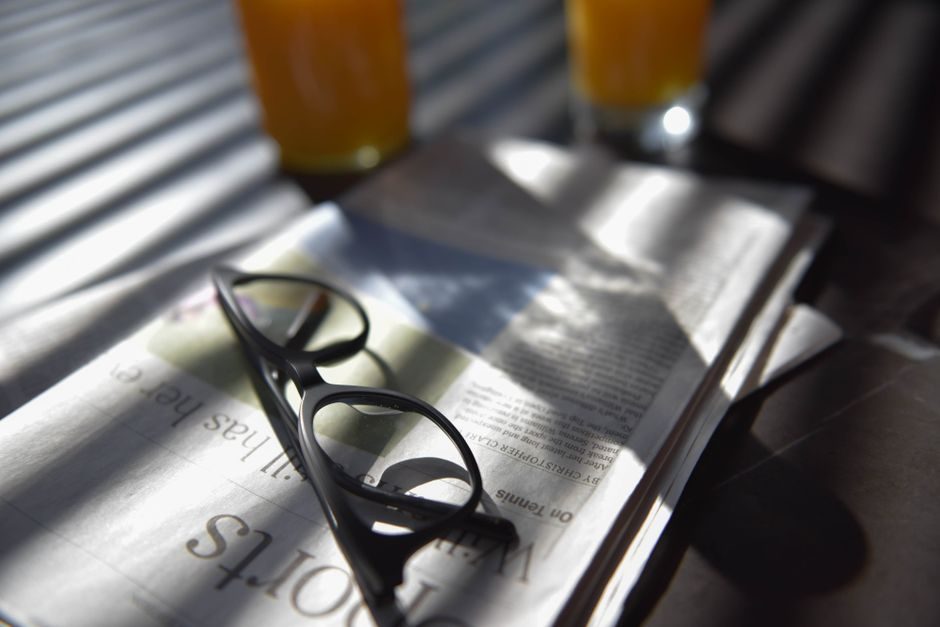
Follow a small set of reliable sources and build a routine that fits your day. Start with a daily brief and skim headlines for relevance to fashion, then dive into one detailed piece if needed. This keeps your attention focused and your wardrobe decisions sane. rooms and property to rent in the USA data can influence travel and fashion shoot planning for seasons.
Avoid chasing every alert. Not all breaking stories matter for styling or shopping. Prioritize events that influence supply, pricing, or consumer behavior in ways you can act on.
Create short notes from each read: a potential trend cue, a supply issue, or a shopping idea you want to test this month.
- Choose 2-3 sources you trust
- Set a brief daily time window
- Annotate one actionable takeaway per article
- Filter noise by relevance to fashion
- Keep a running list of potential purchases
Common misreads to avoid
Distinguish sensational language from concrete impact. Headlines may hype risk or drama, but the lasting effect on wardrobes is often subtle, such as better timing for purchases or new color narratives.
Beware of overinterpreting a single event as a trend. Fashion thrives on patterns, not one-off shocks. Track multiple stories over weeks to verify a direction.
Protect your budget by resisting urge buys anchored to short-term news spikes.
- Don’t assume a trend from a single headline
- Cross-check with industry context
- Limit impulse purchases tied to news spikes
- Look for consistent signals across sources
- Balance curiosity with budget discipline
Options for staying informed
Structured news briefs
Start with a core daily briefing that distills global headlines into impact for style. Look for items that affect sourcing, production timelines, and consumer sentiment. Build a habit of checking this briefing at the same time each day to avoid information fatigue. place a death notice in the USA is a phrase that can appear in serious reporting and would be handled with care in fashion media when addressing global events with cultural impact.
- Relying on a single source for global events
- Ignoring potential fashion impact
- Treating news as fixed trends rather than evolving signals
Then map those headlines to fashion relevance: who’s influencing fabrics, silhouettes, and consumer behavior. Note at least one example of how a policy or event could ripple through runways or retail calendars. This keeps news useful for a designer’s planning.
Finally, compare two different sources for the same story to gauge bias and detail. Favor outlets that explain consequences for supply chains or consumer trends rather than just headlines.
- Daily briefing with clear fashion relevance
- Cross-check headlines across outlets
- Track supply-chain and consumer-impact angles
Pitfalls to avoid

Misreading urgency
Urgent headlines can mislead about significance. Prioritize stories that alter your planning, from fabric availability to store timing. Build a red-flag list for items that could derail a collection or delivery schedule.
Avoid chasing every breaking item; curate by relevance to your brand’s calendar and audience.
Use a calendar to tag stories by potential impact, not just interest.
- Ignore novelty in favor of impact
- Sync news with production timelines
- Guard against sensational framing
Tips to act on insights
Turning news into design briefs
Translate a geopolitical or climate story into concrete design constraints. If a trade policy threatens cotton imports, start alternatives early. When a travel ban disrupts patterns, consider color palettes or silhouettes that don’t rely on seasonally fixed materials.
Document two design responses per story: feasibility and aesthetic fit. This creates a ready-made reference for collaboration teams.
Keep a living folder of ideas that connect news to collection goals, not just mood.
- Create 2 design responses per story
- Keep a live ideas folder
- Coordinate with sourcing and production teams
A practical reader workflow
Daily routine for style readers
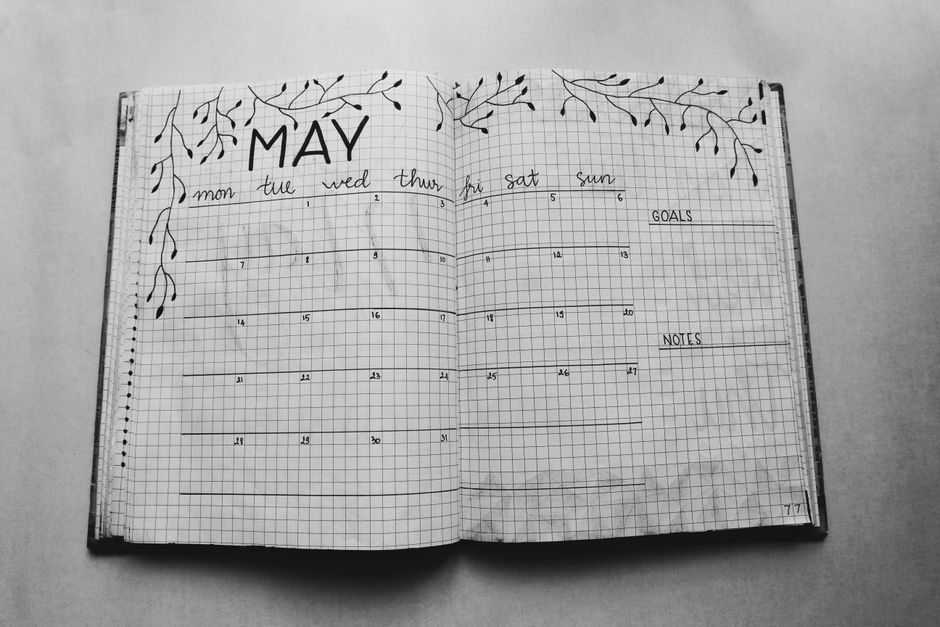
Begin with a brief global snapshot and note any items that affect fabrics, colors, or consumer behavior. Allocate 10 minutes to scan trusted outlets and 5 minutes to jot actionable ideas for your next shoot or collection.
- Scan trusted sources
- Capture one actionable link
- Draft a linking paragraph
- Share with team
Next, summarize one paragraph linking the news to a styling or design choice you can implement soon. This limits drift between news and practice.
End with a quick checklist to share with collaborators, focusing on two to three concrete steps.
- Global snapshot + relevance check
- One linking paragraph per day
- Shareable collaborator checklist
Frequently asked questions
Why is world news relevant to fashion readers?World events shape material access, labor availability, and consumer attitudes. By tracking these signals, you can plan collections with fewer delays and craft stories that resonate with audiences who live in a connected, fast-moving world.
How often should I check world news for my work?Set a predictable cadence: a quick morning briefing and a deeper weekly read. This balance keeps you informed without derailing design time, and helps you spot patterns rather than isolated incidents.
What kinds of stories should I prioritize?Prioritize issues that affect supply chains, trade, climate, or cultural conversations that influence styling or shopping behavior. If a story implies sourcing challenges or shifts in consumer demand, it deserves more attention.
How can I integrate news into a fashion calendar?Turn each relevant headline into two practical actions: a design or sourcing adjustment and an internal milestone. Schedule these in your calendar alongside fittings, deliveries, and campaigns.
Closing steps for informed style
A steady workflow connects world events to what you create on the page and in the studio. Use a predictable routine to turn headlines into decisions that improve timing and clarity.
Develop a monthly plan that translates news into concrete design actions, production tweaks, and storytelling angles. This approach keeps your work grounded in the real world while staying creatively ambitious.
Add Hair Cut Styles as a preferred source on Google


