
What’s on in the USA: a fashion reader’s practical guide
A clear explainer for fashion lovers: what’s on in the USA, how it matters to style, and practical ways to stay informed without overwhelm.

For fashion readers, knowing what’s on in the USA helps track trends, pick relevant events, and spot notable collaborations. This explainer breaks down what to watch, why it matters to styling choices, and how to stay informed without drowning in noise.
You’ll learn which kinds of happenings matter for wardrobe ideas, which sources deserve trust, and how to turn listings into outfit planning. The aim is practical, actionable insight you can use in real life.
By the end you’ll see concrete steps to assemble a timely, stylish calendar that aligns with your taste and budget.
- This explainer helps you understand what counts as on in the USA and why it matters for fashion readers.
- Learn how to read listings clearly, filter reliable sources, and plan outfits that fit real-life events.
- Discover practical ways to turn listings into stylish, doable outfits and trips.
- Use trusted calendars to build a personal calendar that aligns with taste and budget.
Basics and relevance
What counts as on in the USA
Begin with the basics: fashion events, brand launches, retail campaigns, and media previews all count. These moments shape what you’ll see on streets and in magazines for months. The key is spotting patterns early enough to plan outfits or shopping picks. what's on in the USA is a phrase you’ll see a lot in city fashion calendars and guides.
- Identify major fashion moments in the USA early
- Link events to your existing wardrobe choices
- Use reliable sources to build a practical calendar
Consider the calendar: major fashion weeks, regional pop-ups, and notable collaborations signal shifts in color, fabric, and silhouettes. Tracking these helps you anticipate trends rather than chase them.
Examples of relevance appear in street-style photos and editorial shoots that reference new collections or seasonal hues. If you notice a color or texture popping up in several cities, you’re probably seeing a motif take hold.
- Watch for city-to-city timing to map travel outfits
- Note collaborations that align with your wardrobe
- Prioritize events that provide practical styling ideas
Sources to trust
Not all listings are equal. Prioritize calendars from established fashion media, designer previews, and retailer appearances. These sources tend to filter hype from usable information.
Cross-check upcoming events with multiple outlets before committing time and money. If a listing lacks dates or venues, treat it as tentative.
Turn listings into a plan: mark dates, locations, and item ideas you can actually wear. That makes the information actionable, not overwhelming.
- Favor reputable fashion outlets over anonymous blogs
- Verify dates and venues across two sources
- Annotate your calendar with practical outfit ideas
How to read a listing
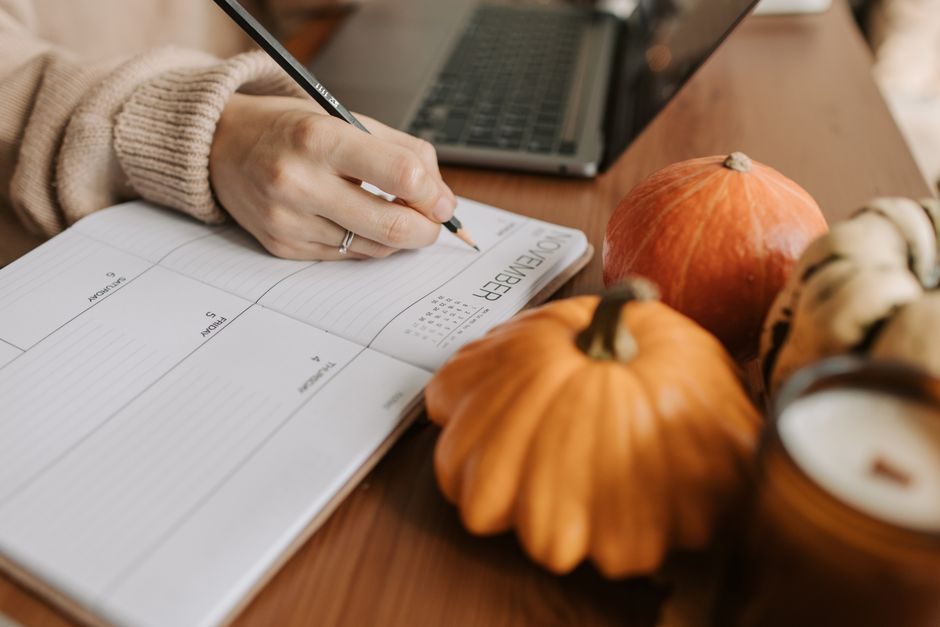
What a good listing shows
A solid listing states dates, places, and what to expect. It should include whether an event is ticketed, what the dress code suggests, and any notable guests. This clarity saves you planning time. Education News PL latest news should be checked against fashion sources for broad context before travel decisions.
Look for visual cues: photos of past events hint at scale and style, helping you decide if you’d feel confident attending.
Use the details to brainstorm outfits, budget, and travel needs, so you can act rather than react to the information.
- Dates and locations clearly listed
- Tickets, dress code, and guest notes present
- Past event visuals for scale and vibe
Where to look for ideas
Best places to scan for inspiration
Curated fashion sites, brand social feeds, and regional magazines give reliable signals for what’s next. They translate listings into visual cues you can apply to wardrobe planning. register your company in the USA is a topic that sometimes intersects with event sponsorships or market access in fashion circles.
- ☐ Identify 3 credible sources
- ☐ Create a weekly save folder of looks
- ☐ Note pieces you already own that match trends
- ☐ Plan one upgrade item per season
Local fashion nights and pop-ups often reveal micro-trends that larger shows miss. They’re useful for seeing how real people style current ideas.
Combine previews with on-page commentaries to gauge which ideas fit your personal style and budget.
- Follow trusted editors’ picks
- Attend local pop-ups when possible
- Save looks that resemble your existing pieces
| Option | Pros | Cons |
|---|---|---|
| Brand previews | Direct access to official plans | May reflect marketing goals more than street wear |
| Editorial calendars | Balanced mix of events | Can be spread thin across regions |
| Retail campaigns | Lower costs, easier to attend | Less emphasis on runway-style ideas |
Overlooking practicality—weather, travel logistics, or event type—leads to underuse of new purchases.
Common pitfalls

Mistakes to avoid
Overcommitting to a single trend can strain your closet. Balance new ideas with what you already own to keep outfits cohesive. rooms and property to rent in the USA often appear in travel guides that accompany fashion events and pop-ups.
Overlooking practicality—weather, travel logistics, or event type—leads to underuse of new purchases.
Relying on a single source can create a narrow view. Diversify your feed to avoid repetitive, expensive mistakes.
- Ignore impractical trends
- Skip weather- or event-fit checks
- Limit yourself to one new item per month
Seasonal shifts in the USA scene
Spotlighting seasonal silhouettes
Seasonal shifts influence what fits into a capsule wardrobe, and this section translates the weather into wearable choices. Expect lighter layers in spring and richer textures in fall, with color palettes following the mood of the season. Practical examples help readers map trends to real outfits rather than chasing every fad. obituaries in the USA
- Overfilling a wardrobe with trend pieces that don’t mix
- Withholding basics and relying on one dramatic item
- Ignoring fabric weight when climates vary
Layering tricks become practical here: choose a versatile base piece, then add a statement accessory for a fresh look without overhauling your closet. This approach keeps you adaptable as temperatures swing and events shift. The goal is coherent outfits that travel well from day to night.
Avoid over-committing to a single trend; instead, build a base that can anchor multiple looks. Consider how fabrics perform across locales—from cool coastal mornings to warm urban afternoons. Readers gain a clear framework for translating seasonal cues into closet decisions.
- Choose a neutral base color that travels across seasons
- Add a bold accessory for instant update
- Prioritize fabrics with natural stretch or drape
- Keep a lightweight trench or cardigan handy
- Test outfits by hour-long wearers
How to compare listings across sources

Cross-source checklist for accuracy
Different sources may describe the same listing in subtly different ways. Read for dates, locations, and what’s included—these details determine whether a listing fits your schedule and budget. This practical check helps you avoid wasting time chasing the wrong event.
Compare two or more sources side by side to spot discrepancies or overlaps. If one source lists a time zone or venue detail differently, confirm before planning travel or purchases. A quick phone call or email can save days of confusion.
Finally, verify what’s included—tickets, access levels, and any required reservations. Clear expectations prevent last-minute surprises that disrupt an outfit plan or travel window.
- Check event date and local time
- Note city and venue changes
- Confirm inclusions like access or seating
- Watch for fee or ticketing differences
- Validate cancellation policies
Integrating listings with travel
Pairing outings with routes
Transform listings into a travel plan by mapping events to a sensible route. If you’re visiting New York for a weekend show, cluster nearby listings to minimize transit time and maximize dressing-room flexibility. This makes fashion events part of a coherent city itinerary.
Add practical notes: arrive early for fittings, pack backup looks, and keep a small day bag with essentials. A thoughtful schedule reduces stress and preserves time for styling decisions.
End with a flexible plan: if a listing shifts, you can swap in a nearby event without breaking your travel rhythm. Practicality keeps fashion stays enjoyable rather than stressful.
Budget-friendly finds around fashion events

Smart shopping around big events
Fashion events attract crowds and impulsive buys; plan instead for smarter, budget-minded choices. Look for mispriced samples, off-season stock, or local pop-ups that echo runway vibes without the price tag. This approach lets you stay current without overspending.
Set a real limit for what you’ll spend on outfits used for a single occasion. Prioritize pieces that refresh your existing wardrobe or can be repurposed later. A disciplined shopping mindset yields more outfits from the same closet.
Finally, consider rental or swap options for high-impact items. Renting lets you wear designer-inspired looks without tying up capital, while swapping with friends can refresh your closet with minimal cost.
- Seek off-season stock nearby
- Attend pop-up shops during trips
- Rent statement pieces for events
- Consider swapping with peers
- Evaluate resale platforms for quick turnover
Frequently asked questions
How can I tell if a listing is worth attending for fashion relevance?Look for listings that emphasize styling or designer shows rather than generic sales events. Consider the venue, the type of audience, and whether the event aligns with your personal style. If you can pre-visualize two outfits around the listing, it’s a good sign it matters for your wardrobe.
What should I do if listings contradict each other?Prioritize the most specific source: exact venue, date, and start times. If conflicts persist, contact the organizer for a definitive schedule. Treat it as a cue to build a flexible plan rather than forcing a rigid itinerary.
Are budget options sacrificing style?Not necessarily. Many events offer accessible accessories or basics that echo higher-end looks. Focus on color, silhouette, and fit rather than chasing a brand name. You can achieve a stylish effect with careful selection.
Is it okay to mix in regional fashion diversity?Definitely. Regional styles can inspire color and pattern choices that feel fresh in a global wardrobe. Use listings to spot variations you can adapt to your own silhouette and fabric choices.
Putting it to work now
The best plan blends listings with travel and a sensible budget, turning information into outfits you wear with confidence. Start by mapping one listing to a practical day on your calendar, then build from there with simple, repeatable steps.
Next, test a small set of outfits around two or three listings, tracking what returns you value most—timing, comfort, and how you feel wearing each look. This practice sharpens your eye and your shopping instincts.
Add Hair Cut Styles as a preferred source on Google


