
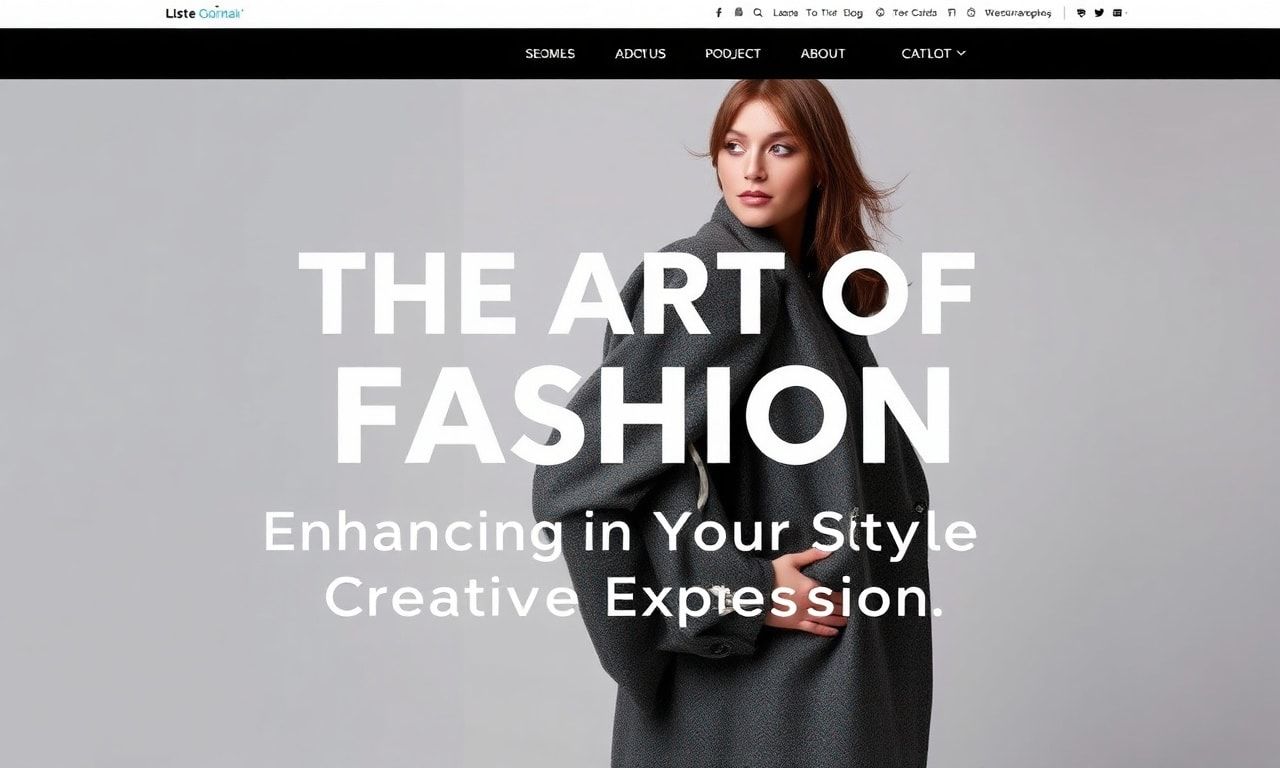
The Intersection of Art and Fashion
The worlds of art and fashion have always been intertwined, with each drawing inspiration from the other to create stunning masterpieces. In the realm of fashion, understanding the principles of art can significantly elevate your style, allowing you to express your creativity in unique and captivating ways. By exploring how to use composition in your artwork, you can translate these techniques into your fashion choices, creating looks that are not only visually appealing but also deeply personal.
Fashion is more than just clothing; it is a form of self-expression that allows individuals to communicate their personality, mood, and artistic sensibilities without saying a word. Just as artists use composition to guide the viewer’s eye and create a harmonious balance in their work, fashion enthusiasts can employ similar principles to craft outfits that tell a story and evoke emotion. Whether you are dressing for a special occasion or simply want to make a statement with your everyday attire, understanding the art of fashion can help you achieve your goals.
Understanding Composition in Fashion
Composition in art refers to the arrangement of elements within a piece to create a cohesive and visually pleasing whole. This principle can be applied to fashion by considering how different pieces of clothing, accessories, and even hairstyles come together to form a complete look. For example, balancing bold patterns with solid colors, or pairing statement jewelry with simple, elegant outfits, can create a harmonious and stylish ensemble. Learning how to use composition in your artwork can provide valuable insights into how to achieve this balance in your fashion choices.
One way to apply composition principles to fashion is by focusing on the rule of thirds. This technique involves dividing your outfit into thirds, with each section featuring a different element or color. For instance, you might pair a vibrant top with neutral pants and a statement accessory, creating a look that is both balanced and eye-catching. By experimenting with different compositions, you can discover new ways to express your style and make a lasting impression.
Color Theory and Fashion
Color theory is another essential aspect of art that plays a crucial role in fashion. Understanding how colors interact and complement each other can help you create outfits that are visually striking and cohesive. For example, using complementary colors—those that sit opposite each other on the color wheel—can create a vibrant and dynamic look. On the other hand, analogous colors, which are adjacent on the color wheel, can create a more harmonious and soothing effect.
When selecting colors for your outfits, consider the mood you want to convey. Bright, bold colors can evoke feelings of energy and excitement, while softer, muted tones can create a sense of calm and elegance. By experimenting with different color combinations, you can discover new ways to express your personality and style. Additionally, understanding how to use composition in your artwork can help you apply these color principles more effectively in your fashion choices.
Accessories as Artistic Elements
Accessories are an essential component of any outfit, serving as the finishing touches that bring your look together. Just as artists use various elements to enhance their work, fashion enthusiasts can use accessories to add depth, texture, and visual interest to their outfits. From statement jewelry and scarves to hats and belts, accessories can transform a simple ensemble into a work of art.
When selecting accessories, consider how they complement the overall composition of your outfit. For example, a bold, patterned scarf can add a pop of color and texture to a monochromatic look, while a delicate necklace can enhance the elegance of a simple dress. By thoughtfully incorporating accessories into your outfits, you can create looks that are both stylish and artistically expressive.
Experimenting with Textures and Patterns
Textures and patterns are essential elements of both art and fashion, adding depth and visual interest to any piece. In fashion, experimenting with different textures and patterns can help you create outfits that are unique and visually captivating. For example, pairing a textured sweater with smooth, flowing pants can create a striking contrast, while mixing patterns can add a sense of playfulness and creativity to your look.
When incorporating textures and patterns into your outfits, consider how they interact with each other. For instance, a bold, geometric pattern can be balanced with a solid, neutral color, while a textured fabric can be paired with a smooth, silky material to create a harmonious and visually appealing ensemble. By experimenting with different textures and patterns, you can discover new ways to express your style and make a lasting impression.
In conclusion, the art of fashion is a powerful tool for self-expression, allowing individuals to communicate their personality, mood, and artistic sensibilities through their clothing choices. By understanding the principles of art, such as composition, color theory, and the use of textures and patterns, you can elevate your style and create looks that are both visually appealing and deeply personal. Whether you are dressing for a special occasion or simply want to make a statement with your everyday attire, embracing the art of fashion can help you achieve your goals and express your unique creativity.
As fashion and art continue to intertwine, discover how Taiwan’s vibrant art scene is influencing style trends in our latest feature, Taiwan’s thriving creative pulse.
Elevate your wardrobe with unique inspiration by discovering how art meets fashion in textiles.
Elevate your wardrobe with timeless elegance by discovering stylish fashion trends and tips that will transform your appearance effortlessly.
