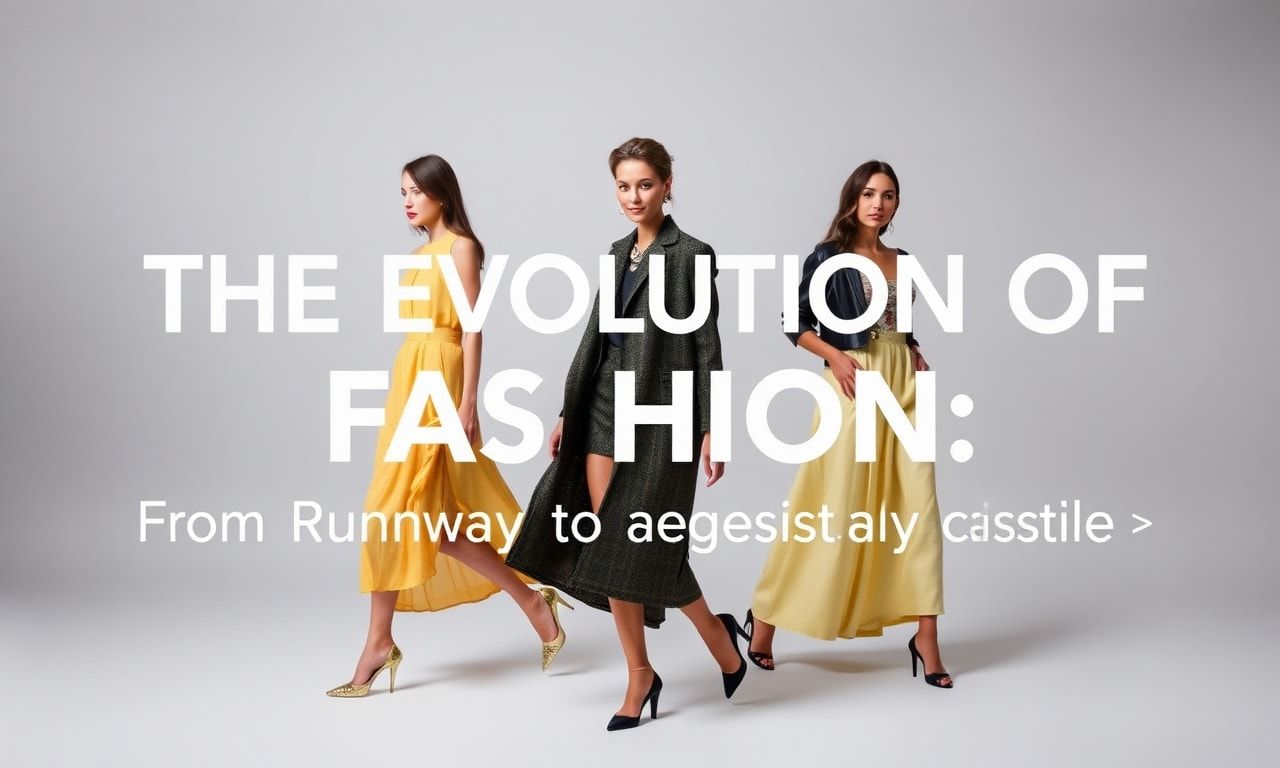
The Ever-Changing Landscape of Fashion
The fashion industry is a dynamic and ever-evolving landscape, constantly influenced by cultural shifts, technological advancements, and societal trends. From the glamorous runways of Paris and Milan to the casual streets of Tokyo and New York, fashion is a global language that transcends borders and languages. It is a form of self-expression, a means of communication, and a reflection of our collective consciousness.
The Influence of Pop Culture on Fashion
Pop culture plays a significant role in shaping fashion trends. Movies, music, and television shows often set the tone for what’s considered stylish and trendy. For instance, the iconic styles of characters from classic films continue to inspire fashion designers and enthusiasts alike. If you’re looking for some inspiration, you might enjoy exploring the best kids movies on PBS Kids Parents, which often feature memorable fashion moments that have left a lasting impact on the industry.
Music festivals and concerts are also hotbeds of fashion innovation. Artists often push the boundaries of style, creating looks that are both avant-garde and wearable. Street style photography from these events captures the essence of contemporary fashion, showcasing how individuals interpret and personalize trends.
Iconic Fashion Moments in Pop Culture
Some of the most iconic fashion moments in pop culture have come from the silver screen. Audrey Hepburn’s little black dress in “Breakfast at Tiffany’s,” Marilyn Monroe’s white halter dress in “The Seven Year Itch,” and Leonardo DiCaprio’s suit in “The Great Gatsby” are just a few examples of how film can influence fashion trends. These moments not only define an era but also inspire future generations of designers and fashion enthusiasts.
The Role of Sustainability in Modern Fashion
In recent years, sustainability has become a major focus in the fashion industry. Consumers are increasingly aware of the environmental impact of fast fashion and are seeking out brands that prioritize ethical and sustainable practices. This shift has led to the rise of eco-friendly materials, upcycling, and a greater emphasis on quality over quantity.
Sustainable fashion is not just about the materials used; it’s also about the entire lifecycle of a garment. From the sourcing of raw materials to the manufacturing process and eventual disposal, every step is scrutinized for its environmental impact. Brands that embrace sustainability are not only contributing to a healthier planet but also appealing to a growing market of conscious consumers.
Tips for Building a Sustainable Wardrobe
Building a sustainable wardrobe starts with making mindful purchasing decisions. Opt for high-quality, timeless pieces that will last for years rather than trendy items that will quickly go out of style. Invest in versatile items that can be mixed and matched to create multiple outfits, reducing the need for constant shopping.
Another way to embrace sustainability is by supporting brands that prioritize ethical practices. Look for certifications such as Fair Trade, Organic, and GOTS (Global Organic Textile Standard) when shopping. Additionally, consider thrift shopping or swapping clothes with friends to give pre-loved items a new life.
The Future of Fashion
The future of fashion is bright and full of possibilities. With advancements in technology, we can expect to see more innovative materials, such as lab-grown fabrics and 3D-printed clothing. Virtual reality and augmented reality are also changing the way we shop, allowing us to try on clothes virtually before making a purchase.
Moreover, the fashion industry is becoming more inclusive, with brands recognizing the importance of representing diverse body types, ages, and ethnicities. This shift towards inclusivity is not only a reflection of societal changes but also a step towards a more equitable and representative fashion landscape.
Emerging Trends to Watch
As we look to the future, several emerging trends are worth keeping an eye on. Gender-neutral fashion is gaining traction, with designers creating collections that cater to all genders. Additionally, the rise of rental and subscription services is changing the way we consume fashion, allowing us to access a wider range of styles without the commitment of ownership.
Technology is also playing a significant role in the future of fashion. Wearable technology, such as smartwatches and fitness trackers, is becoming more stylish and integrated into everyday wear. Meanwhile, artificial intelligence is being used to personalize shopping experiences and predict future trends.
To keep up with the latest trends in sustainable fashion, consider checking out essential tips for buying e-bikes, a stylish and eco-friendly way to commute.