
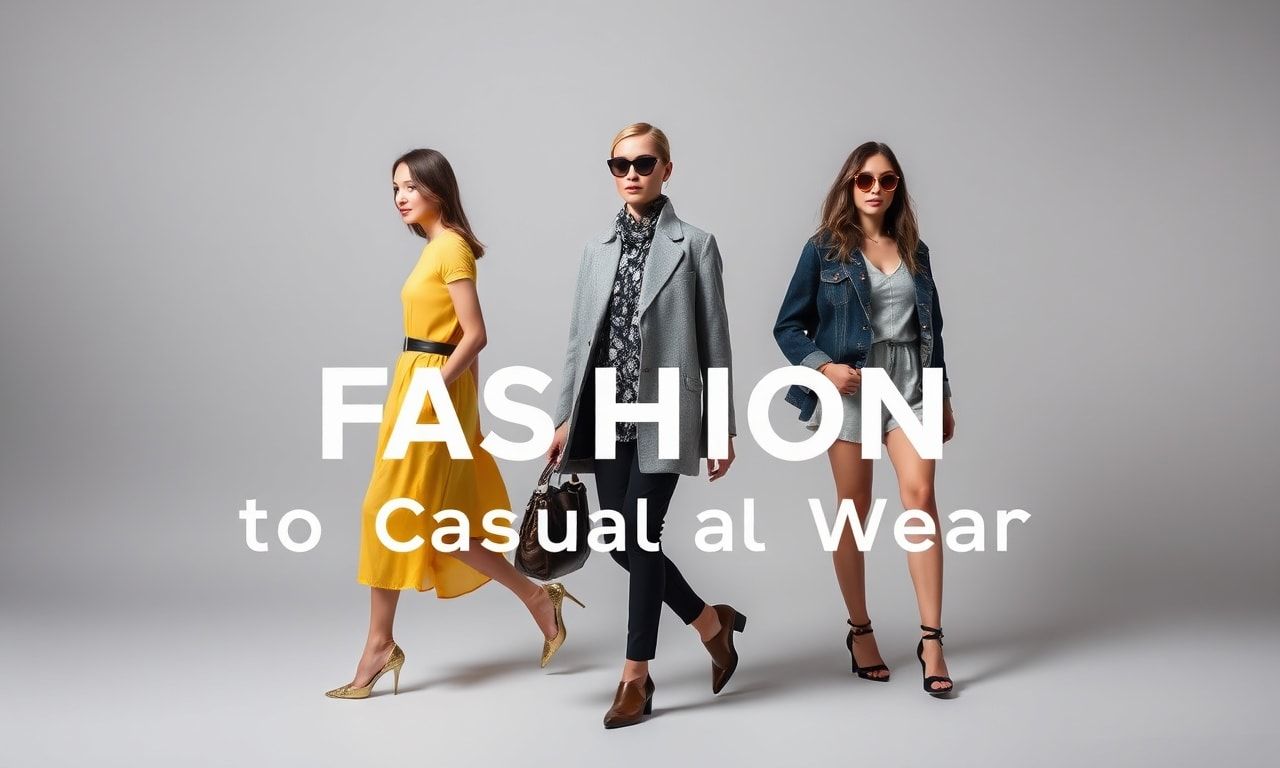
The Intersection of Fashion and Business
The fashion industry is not just about aesthetics; it’s a significant economic driver. Fashion businesses need to stay informed about market trends, consumer behavior, and financial insights. For those involved in the business side of fashion, keeping up with top business news for business coaches can provide valuable strategies and insights to navigate this dynamic industry.
The Influence of Street Style on High Fashion
Street style has become a powerful force in the fashion world, blurring the lines between high fashion and everyday wear. Designers are increasingly drawing inspiration from the streets, incorporating elements of urban culture into their collections. This shift has democratized fashion, making it more accessible and relatable to a broader audience. The rise of social media platforms like Instagram and TikTok has further amplified this trend, allowing street style to gain global recognition and influence.
Key Elements of Street Style
Street style is characterized by its eclectic mix of trends and personal expression. Some key elements include:
- Layering: Mixing different textures and patterns to create a unique look.
- Accessories: Statement pieces like bold jewelry, hats, and bags that add personality to an outfit.
- Comfort: Prioritizing comfort without compromising on style, such as wearing sneakers with tailored suits.
- DIY and Upcycling: Customizing and repurposing clothing to create one-of-a-kind pieces.
The Role of Sustainability in Modern Fashion
Sustainability has become a critical consideration in the fashion industry. Consumers are increasingly aware of the environmental impact of their purchases and are seeking out brands that prioritize ethical and sustainable practices. This shift has led to the rise of eco-friendly materials, such as organic cotton, recycled polyester, and innovative fabrics like Piñatex, made from pineapple leaves. Additionally, the concept of a circular economy, where clothing is designed for longevity and recyclability, is gaining traction.
Sustainable Fashion Brands to Watch
Several brands are leading the way in sustainable fashion:
- Patagonia: Known for its commitment to environmental activism and use of recycled materials.
- Stella McCartney: A pioneer in sustainable luxury fashion, using vegan leather and other eco-friendly materials.
- Reformation: Focuses on sustainable practices and transparency in its supply chain.
- Eileen Fisher: Dedicated to creating timeless, sustainable pieces that are designed to last.
The Impact of Technology on Fashion
Technology has revolutionized the fashion industry, from the way clothes are designed and produced to how they are marketed and sold. Advances in 3D printing, artificial intelligence, and virtual reality are transforming the fashion landscape. For instance, 3D printing allows for the creation of intricate and customized designs that would be difficult or impossible to produce using traditional methods. AI is being used to analyze consumer data and predict trends, while virtual reality offers immersive shopping experiences.
Innovative Technologies in Fashion
Some of the most exciting technological advancements in fashion include:
- 3D Printing: Enables the creation of unique, customized garments and accessories.
- AI and Machine Learning: Used for trend forecasting, personal styling, and inventory management.
- Virtual Reality: Provides immersive shopping experiences and virtual fashion shows.
- Smart Fabrics: Incorporates technology into clothing, such as wearable fitness trackers and temperature-regulating fabrics.
The Future of Fashion
The future of fashion is likely to be shaped by a combination of sustainability, technology, and the continued influence of street style. As consumers become more conscious of their environmental impact, brands will need to adapt and innovate to meet these demands. Technology will continue to play a pivotal role, offering new ways to design, produce, and market fashion. Additionally, the lines between high fashion and street style will likely continue to blur, leading to a more inclusive and diverse fashion landscape.
Embracing these trends and innovations will be key to staying relevant in the ever-evolving world of fashion. By staying informed and adaptable, fashion enthusiasts and professionals alike can navigate the industry’s dynamic landscape and contribute to its exciting future.
If you enjoyed this article, we recommend checking out Moda Dünyasında Başarı için Gerekli 5 for further reading.
Readers interested in this subject may also want to explore Naturnahes Leben: Tipps für ein erfülltes for additional perspectives.
