
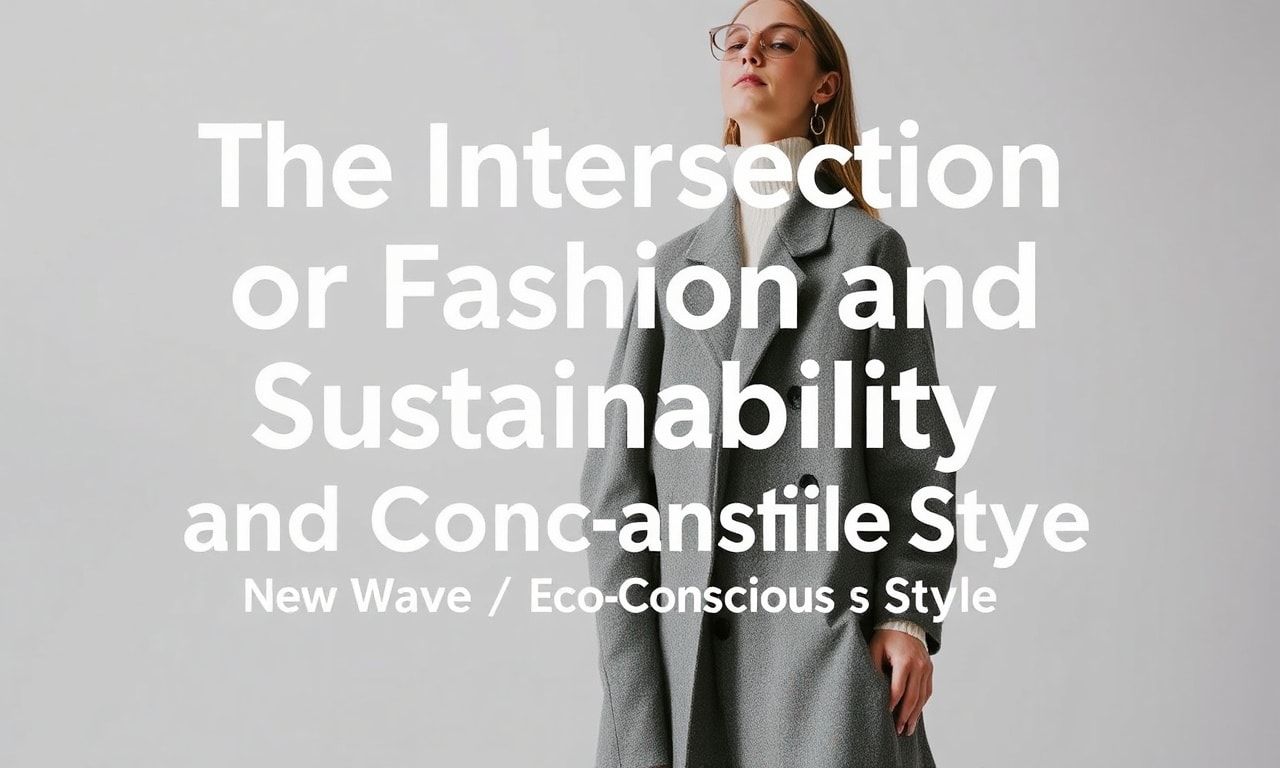
The Rise of Sustainable Fashion
The fashion industry is undergoing a significant transformation, with sustainability taking center stage. As consumers become more aware of the environmental impact of their choices, there is a growing demand for eco-friendly and ethically produced clothing. This shift is not just a trend; it’s a movement that is reshaping the way we think about style and consumption.
Sustainable fashion encompasses a wide range of practices, from using organic and recycled materials to implementing fair labor practices. Brands are increasingly adopting these practices to meet the demands of conscious consumers. This shift towards sustainability is not only beneficial for the environment but also for the overall quality and longevity of fashion pieces.
The Role of Natural Ingredients in Beauty and Fashion
In the realm of beauty and fashion, natural ingredients are gaining prominence. From chia seeds to aloe vera, these ingredients are being incorporated into skincare products, hair treatments, and even clothing. For instance, chia seeds, known for their nutritional benefits, are also being explored for their potential in beauty products. The process of chia seed farming for industrial use is becoming more sophisticated, allowing for the extraction of valuable compounds that can be used in a variety of applications.
Similarly, other natural ingredients like argan oil, shea butter, and coconut oil are being used in hair and skincare products. These ingredients not only provide nourishment but also align with the growing trend of clean beauty. Consumers are increasingly seeking products that are free from harmful chemicals and synthetic additives.
Benefits of Natural Ingredients
The use of natural ingredients in fashion and beauty offers numerous benefits. For one, they are often gentler on the skin and hair, reducing the risk of irritation and allergic reactions. Additionally, natural ingredients are biodegradable and environmentally friendly, making them a sustainable choice. This aligns with the broader movement towards eco-conscious living and responsible consumption.
Moreover, natural ingredients often come with a host of additional benefits. For example, chia seeds are rich in omega-3 fatty acids, antioxidants, and fiber, which can contribute to healthier skin and hair. Similarly, argan oil is known for its moisturizing and anti-aging properties, making it a popular choice in skincare products.
Innovative Sustainable Practices in the Fashion Industry
The fashion industry is embracing innovative practices to reduce its environmental footprint. One such practice is the use of recycled materials. Brands are now creating clothing from recycled plastics, fabrics, and even old garments. This not only reduces waste but also conserves resources.
Another innovative practice is the adoption of circular fashion models. This approach focuses on designing products that can be easily recycled or repurposed at the end of their life cycle. By doing so, the fashion industry can minimize waste and maximize the use of resources. Additionally, brands are increasingly investing in sustainable packaging solutions, such as biodegradable or compostable materials, to further reduce their environmental impact.
The Role of Technology
Technology is playing a crucial role in advancing sustainable fashion. From 3D printing to digital design tools, technology is enabling brands to create more efficient and eco-friendly products. For example, 3D printing allows for the creation of custom-made garments with minimal waste, as the process uses only the necessary amount of material.
Digital design tools, on the other hand, enable designers to create virtual prototypes, reducing the need for physical samples and minimizing waste. Additionally, technology is being used to track and manage supply chains, ensuring that materials are sourced responsibly and ethically. This transparency is crucial for building trust with consumers who are increasingly concerned about the origins of their clothing.
The Future of Sustainable Fashion
The future of sustainable fashion looks promising, with more brands and consumers embracing eco-friendly practices. As awareness continues to grow, the demand for sustainable fashion is expected to rise, driving further innovation and development in the industry.
One of the key trends shaping the future of sustainable fashion is the concept of ‘slow fashion.’ This approach emphasizes quality over quantity, encouraging consumers to invest in timeless, durable pieces that can be worn for years. By doing so, slow fashion promotes a more mindful and sustainable approach to consumption.
Another trend is the rise of rental and resale platforms. These platforms allow consumers to access a wide range of fashion items without the need for ownership. This not only reduces waste but also promotes a more circular economy. Additionally, brands are increasingly collaborating with environmental organizations to support conservation efforts and raise awareness about sustainability.
Consumer Education and Awareness
Education and awareness are crucial for the continued growth of sustainable fashion. Consumers need to be informed about the environmental impact of their choices and the benefits of sustainable practices. Brands can play a significant role in this by providing transparent information about their sourcing, production, and labor practices.
Moreover, consumers can take steps to reduce their own environmental footprint. This includes choosing sustainable brands, investing in quality pieces, and properly disposing of or recycling old clothing. By making conscious choices, consumers can contribute to a more sustainable fashion industry.
In conclusion, the intersection of fashion and sustainability is a dynamic and evolving landscape. As the industry continues to innovate and consumers become more aware, the future of sustainable fashion looks bright. By embracing eco-friendly practices and natural ingredients, the fashion industry can create a more sustainable and stylish world.
