
Sell second-hand items in the USA: a fashion buyer’s guide
A practical buyer’s guide for Style trends readers: compare options for selling second-hand items in the USA, avoid pitfalls, and choose the best route for fash

You want to make smart choices when selling your pre-loved fashion in the USA. This guide lays out practical paths, helps you pick the right route, and shows how to avoid common missteps. You’ll get concrete steps you can act on today without hype.
From consignment to direct sale, the options vary by wardrobe type, timing, and risk. This article maps the terrain with clear criteria and real-world examples, so you can pick an approach that matches your items and your schedule.
Read on to learn how to evaluate platforms, prepare pieces, and price items in a way that respects your time and your style. By the end, you’ll have a plan that fits your closet and your capital.
- This guide helps fashion readers compare routes for selling second-hand items in the USA, highlighting how to price, list, and choose platforms.
- It offers practical steps for direct sales, consignment, and marketplaces, with concrete tips on photos, descriptions, and timing.
- Readers will learn to balance profit, effort, and sustainability while avoiding common errors.
- The plan includes a simple table to compare methods and a clear path to feel confident selling items you no longer wear.
Basics to know first
Choosing your selling route
Start by naming your goals: speed, highest price, or simplicity. Direct sales move faster, while consignors offer potential higher returns with less effort. Compare the required effort, fees, and typical timelines before you decide. A useful resource on this topic: sell second-hand items in the USA.
Consider your item mix: high-value pieces may benefit from consignment or boutique marketplaces, while basics sell well in quick-direct sales or resale apps. Align the channel with the garment type and your schedule.
Decide on a backup plan if an item stalls. Have a fallback price in mind and a second platform in mind if the first option doesn’t perform.
- Direct sale: faster cash
- Consignment: higher potential price
- Specialty apps: target audiences
- Boutique stores: curated exposure
What buyers expect
Shoppers value clear photos and honest descriptions. They want sizing, material details, and visible flaws presented upfront. A thorough listing reduces questions and speeds up payment.
Trust matters: transparent return policies and reliable shipping build buyer confidence. Use trackable shipping and confirm receipt to close the sale smoothly.
Seasonality and trends shape demand. Align prices and presentation with current fashion cycles to avoid slow periods.
- High-quality photos
- Accurate measurements
- Honest flaws disclosed
- Reliable shipping
How to price and present items

Pricing ethically
Price competitively by comparing similar items in your chosen channel. Look at condition, brand perception, and seasonality to set a fair price. Avoid inflating values beyond what buyers will tolerate. A useful resource on this topic: Blog Book World.
- Know your bottom line before listing.
- Offer a small discount to sweeten deals.
- Adjust price gradually as interest changes.
Leave room for negotiation with a small offer margin. Clear minimums prevent post-sale price haggling that erodes margins.
Update prices as items age on the platform; stale listings tend to lose visibility and patience with buyers.
- Compare similar items
- Account for condition and season
- Set a floor price
- Monitor demand shifts
Creating compelling listings
Use consistent lighting and plain backgrounds to show true colors. Include 4–6 photos that show fit, fabric texture, and any flaws. Clear, concise descriptions reduce buyer questions and speed payment.
Highlight unique details like trims, stitching, or limited runs. Mention care instructions and any included accessories to add perceived value.
Close with a practical call to action: offer a fast ship option, restock alerts, or bundle discounts for multiple pieces.
- 4–6 photos per item
- Detail-focused descriptions
- Care and fabric notes
- Bundle or ship incentives
Platform options and routes
Direct sale vs. third-party
Direct sales give control over timing and messaging but require more effort handling inquiries and shipping. Third-party platforms simplify logistics with built-in payment and protection, at the cost of fees and less control. A useful resource on this topic: USA events calendar.
- Direct sale tools require more time
- Platforms offer built-in protections
- Fees affect profitability
Evaluate your time versus potential revenue. If your items are easy to ship and in demand, direct sales can be rewarding. For rare pieces, a platform with reach can justify the fees.
Test small batches to learn your best fit before scaling up.
- Direct: control, speed
- Platform: reach, ease
- Fees matter
- Test and learn
| Option | Pros | Cons |
|---|---|---|
| Direct sale | Control over price and timing | Higher effort and shipping duties |
| Consignment | Less upfront work | Lower payout per item after fees |
| Specialty resale apps | Broad reach and filters | Fees and platform rules |
Selling with sustainability in mind
Resale aligns with sustainable fashion values. Communicate how your items fit a circular economy and offer repair or refresh options when possible. Buyers respond to stories about item care and lifecycle.
Eco-conscious buyers prefer transparent sourcing and responsible packaging. Use recyclable packaging and minimize waste in shipping. Offer to donate a portion of proceeds to a cause if appropriate for your brand.
Consider donations or charity resale as a salvage route for items that don’t sell well.
- Highlight lifecycle care
- Offer repair or refresh
- Use sustainable packaging
- Be honest about origin and condition
Listings out of season linger; re-list or bundle pieces to refresh interest.
Pitfalls to avoid

Common mispricing
Overpricing slows or stops sales. Underpricing erodes value and can devalue your whole wardrobe. Set realistic prices based on comparable items and platform norms. A useful resource on this topic: submit your business in the USA.
- Base prices on comparables
- Adjust for seasonality
- Respect platform rules
Watch for seasonality. Listings out of season linger; re-list or bundle pieces to refresh interest.
Always check platform rules to avoid penalties for price manipulation or misrepresentation.
- Avoid overpricing
- Avoid underpricing
- Seasonal timing
- Rule compliance
Listing fatigue
Long, vague descriptions deter buyers. Short, precise descriptions with measurements ahead of photos help buyers decide quickly. Update photos if lighting or angles were poor.
Respond promptly to messages; delays kill momentum and trust. Create a canned response for common questions to speed replies.
Keep your listings tidy and remove stale items to prevent a cluttered storefront.
- Be precise and concise
- Reply quickly
- Refresh and prune listings
Pricing and channels
Setting price with care
Start with a realistic pull from comparable items and adjust for condition, season, and demand. Describe defects honestly to avoid returns or buyer disputes. This clarity helps you price faster and preserve your reputation. USA obituaries
Consider bundling accessories or offering multiple price points for bundles to move inventory. Use a simple price ladder: base price, discount for bundles, and a final best-offer option in select cases.
Monitor your listings daily and be ready to adjust once you see buyer behavior. Small shifts in description or photos can unlock better offers and reduce time on market.
- Compare similar items before listing
- Highlight condition with close-up photos
- Offer limited-time discounts
- Provide size and care details
- Set clear return policies
Sustainability and storytelling
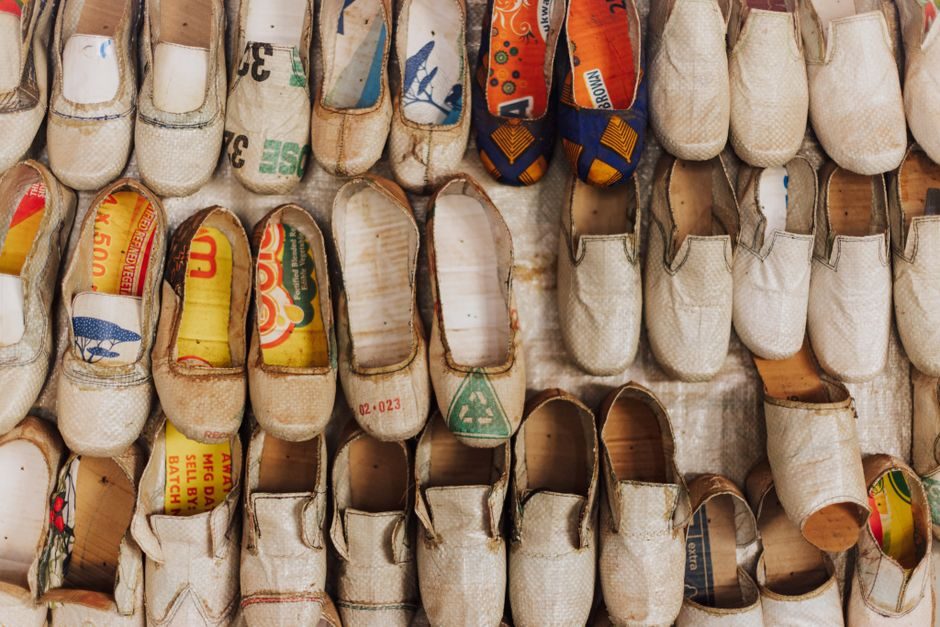
Tell the item’s origin story
People connect with a clean narrative about where a piece came from and why it deserves a second life. Mention fabric, era, and any distinctive details that set it apart. A thoughtful backstory can raise interest without exaggeration.
Show how a garment fits into current styles by pairing it with modern items or illustrating styling ideas. This makes second-hand pieces feel on-trend, not retro cosplay.
Conclude with a practical angle, like care tips or sustainable impact, so buyers see lasting value beyond looks. A clear purpose helps justify the purchase and reduces buyer hesitation.
- Highlight fabric origin
- Describe fit and styling ideas
- Explain care needed
- Mention the sustainability angle
- Provide a care card link or note
Market pitfalls and repairs
Common listing traps to avoid
Mistakes in listings can mislead buyers and slow sales. Avoid vague conditions like excellent or good without specifics. Mention seams, zippers, and any staining with photos to back up the claim.
Don’t ignore repairs that are easy and affordable—fixing a loose button or a detached hem can significantly raise perceived value. Make repairs visible in photos and note materials used for repair.
Be cautious with provenance and authenticity when items claim luxury status. If unsure, decline or request documentation rather than guessing. This stance preserves trust and reduces returns.
- Avoid vague terms
- Document flaws with close-ups
- Disclose alterations
- Confirm authenticity when needed
- Set clear return expectations
Fast, repeatable routines

Create a repeatable listing process
Develop a step-by-step daily routine so you can list efficiently without sacrificing accuracy. Start with a quick item assessment, then draft a concise description, take standardized photos, and publish in one session.
Use templates for titles and descriptions to speed up the process while preserving clarity. A consistent format helps buyers compare items and reduces miscommunication.
Track what works by noting which listings sell fastest and which photos perform best. Small refinements over time build a dependable workflow that scales with your closet.
- Daily scouting and intake
- Standardized photo checklist
- Template-based descriptions
- Sales performance tracking
- Batch posting when possible
Frequently asked questions
How do I price items competitively?Compare similar items in your niche and adjust for condition, fabric, and current trends. Price too high and you’ll deter buyers; price too low and you’ll miss value. Use a simple floor and a flexible ceiling to guide offers.
Should I offer free shipping?Free shipping can boost conversions, but it’s important to factor costs into your prices. Consider a threshold or region-based limits so you don’t erode margins.
How many photos should I include?Include 4–6 high-quality photos showing front, back, details, and any flaws. Clear lighting and neutral backgrounds reduce questions and speed up decisions.
What if an item doesn’t sell?Reassess price, refresh the photos, or adjust the description to emphasize different styling. If still not moving, remove the listing and reintroduce it later with a fresh angle.
Conclusion
Takeaway: a measured, repeatable listing routine makes second-hand selling predictable and scalable. Your next step is to pick a small batch of five items and test a consistent process this week.
Takeaway: storytelling and clear photos matter. Use a simple origin and care narrative to add value without overpromising, then apply the same structure to future listings.
Add Hair Cut Styles as a preferred source on Google


