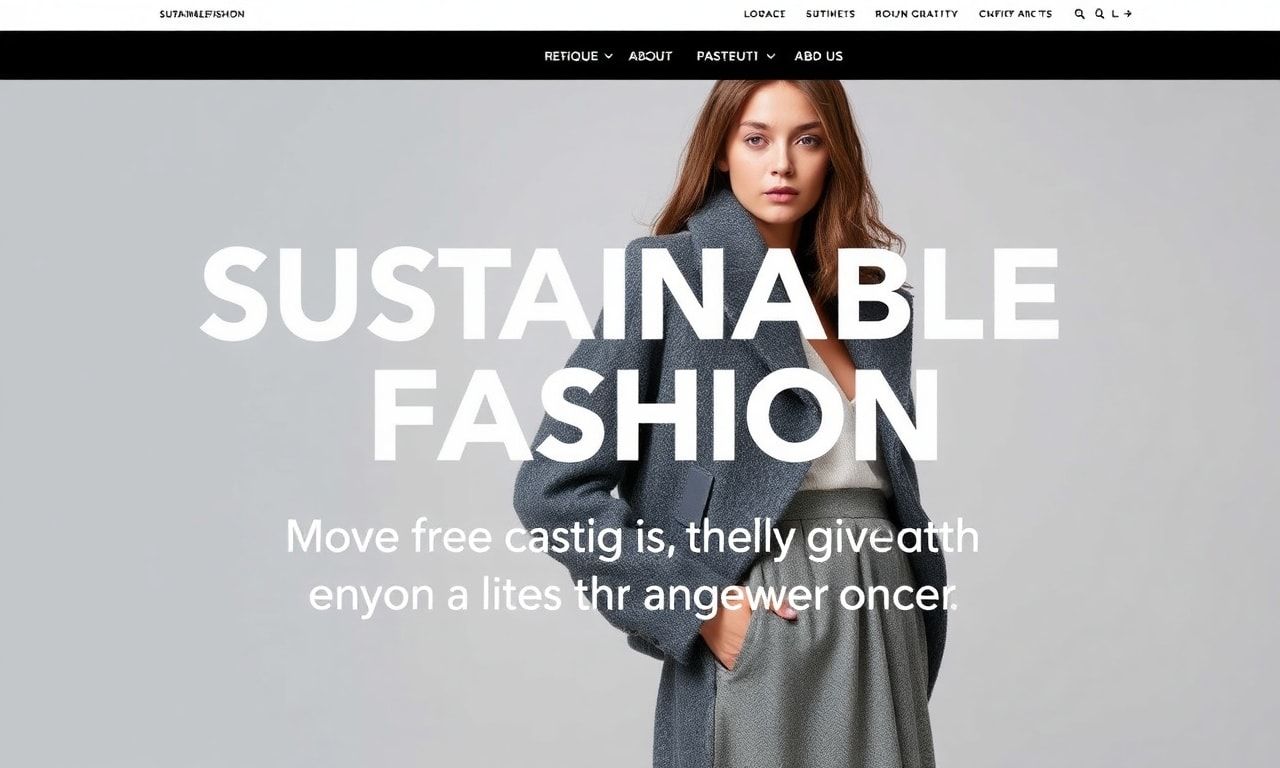
The Rise of Sustainable Fashion
The fashion industry is undergoing a transformative shift, with sustainability taking center stage. As consumers become more environmentally conscious, the demand for eco-friendly fashion is on the rise. This shift is not just a trend but a movement towards a more responsible and ethical approach to style. Sustainable fashion encompasses a wide range of practices, from using organic materials to reducing waste and promoting fair labor practices. It’s a holistic approach that considers the environmental, social, and economic impacts of fashion.
The Environmental Impact of Fashion
The fashion industry is one of the largest polluters in the world, contributing significantly to carbon emissions, water pollution, and waste. Fast fashion, in particular, has been criticized for its detrimental effects on the environment. The production of synthetic fabrics, the use of harmful chemicals, and the disposal of clothing all contribute to the industry’s environmental footprint. However, there is a growing awareness of these issues, and many brands are now taking steps to reduce their impact. For the latest updates on environmental news and climate change, check out environmental news climate update.
Key Environmental Issues in Fashion
The fashion industry faces several environmental challenges, including:
- Water Pollution: The use of chemicals in textile production can pollute water sources, affecting both human health and ecosystems.
- Carbon Emissions: The production, transportation, and disposal of clothing contribute significantly to greenhouse gas emissions.
- Waste Generation: The fast fashion model encourages overconsumption, leading to a massive amount of textile waste.
- Resource Depletion: The production of textiles requires large amounts of water and energy, contributing to resource depletion.
The Role of Consumers in Sustainable Fashion
Consumers play a crucial role in driving the demand for sustainable fashion. By making conscious choices, consumers can influence brands to adopt more sustainable practices. This includes choosing quality over quantity, supporting ethical brands, and recycling or upcycling old clothing. Additionally, consumers can educate themselves about the environmental impact of their fashion choices and make informed decisions. The power of the consumer cannot be underestimated in the journey towards a more sustainable fashion industry.
Tips for Sustainable Fashion Choices
Here are some tips for making more sustainable fashion choices:
- Buy Less, Choose Well: Invest in high-quality, timeless pieces that will last longer.
- Support Ethical Brands: Choose brands that prioritize sustainability and ethical practices.
- Recycle and Upcycle: Give old clothes a new life by recycling or upcycling them.
- Educate Yourself: Stay informed about the environmental impact of fashion and make informed choices.
- Participate in Clothing Swaps: Exchange clothes with friends or participate in community clothing swaps to reduce waste.
The Future of Sustainable Fashion
The future of sustainable fashion looks promising, with more brands and consumers embracing eco-friendly practices. Innovations in textile production, such as the use of recycled materials and biodegradable fabrics, are paving the way for a more sustainable industry. Additionally, the growing awareness of the environmental impact of fashion is driving demand for transparency and accountability in the industry. As consumers continue to prioritize sustainability, the fashion industry will likely continue to evolve towards a more responsible and ethical approach to style.
Innovations in Sustainable Fashion
The fashion industry is witnessing a wave of innovations aimed at reducing its environmental impact. Some of the most promising innovations include:
- Recycled Materials: The use of recycled materials, such as recycled polyester and recycled cotton, is gaining popularity.
- Biodegradable Fabrics: Innovations in biodegradable fabrics, such as those made from algae or mushroom leather, are offering sustainable alternatives to traditional materials.
- Waterless Dyeing: Waterless dyeing technologies are reducing the water consumption and pollution associated with textile dyeing.
- Circular Fashion: The concept of circular fashion, which aims to minimize waste and maximize resource efficiency, is gaining traction.
Conclusion
Sustainable fashion is not just a trend but a necessary shift towards a more responsible and ethical approach to style. By embracing sustainable practices, both brands and consumers can contribute to a healthier planet. The future of fashion lies in its ability to balance style with sustainability, creating a harmonious relationship between fashion and the environment. As we continue to navigate the challenges of climate change and environmental degradation, sustainable fashion offers a beacon of hope for a more sustainable future.
Discover how the worlds of science and style collide in our latest feature, research shaping fashion trends, and see how innovation is redefining your wardrobe.
As we embrace the future of fashion and technology, it’s fascinating to see how vehicles like the Honda Civic are blending style with cutting-edge tech; discover AI and cybersecurity advancements that are redefining automotive design.