
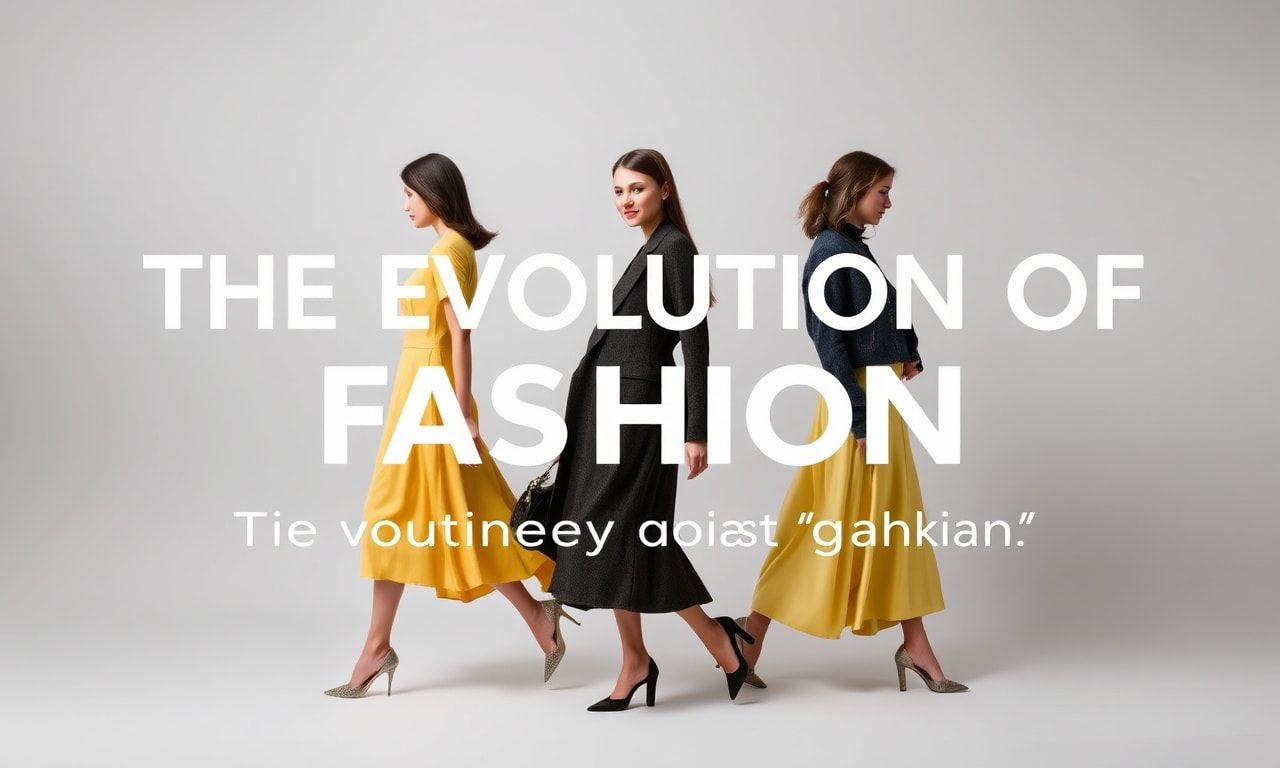
The Ever-Changing Landscape of Fashion
The world of fashion is a dynamic and ever-evolving landscape, shaped by cultural shifts, technological advancements, and the relentless pursuit of self-expression. From the cobblestone streets of Paris to the bustling markets of Tokyo, fashion serves as a universal language that transcends borders and connects people from all walks of life. In this article, we will embark on a journey through the annals of fashion history, exploring the trends that have defined different eras and the icons who have left an indelible mark on the industry.
The Roaring Twenties: A Decade of Liberation
The 1920s marked a significant shift in fashion, particularly for women. The post-World War I era brought about a sense of liberation and rebellion, which was vividly reflected in the clothing of the time. The iconic flapper dress, characterized by its dropped waist and shorter hemline, symbolized the newfound freedom and independence of women. This decade also saw the rise of Art Deco influences, with geometric patterns and bold colors adorning fabrics and accessories. The Roaring Twenties set the stage for the fashion revolutions that would follow, paving the way for a more experimental and expressive approach to style.
The Glamour of the Golden Age: Hollywood’s Influence
The 1930s and 1940s were dominated by the glamour of Hollywood, with silver screen stars setting the trends for the masses. The elegance of actresses like Audrey Hepburn and Marilyn Monroe captivated audiences worldwide, inspiring a wave of sophistication and allure in fashion. The introduction of bias-cut dresses, which draped elegantly over the body, became a staple of the era. Meanwhile, the war effort led to rationing and austerity measures, which in turn influenced the practical and utilitarian designs of the time. Despite the challenges, fashion continued to thrive, with designers finding innovative ways to create stylish and functional garments.
For those seeking inspiration beyond the runway, travel often serves as a catalyst for new ideas and trends. Whether exploring the vibrant markets of Marrakech or the chic boutiques of Milan, fashion enthusiasts can draw inspiration from the diverse cultures and styles they encounter. For instance, a trip to Birmingham, known for its rich history and dynamic fashion scene, can offer a wealth of creative insights. With the help of birmingham travel packages update, travelers can immerse themselves in the city’s unique blend of traditional and contemporary fashion, gaining a deeper appreciation for the art of style.
The Swinging Sixties: A Revolution in Style
The 1960s were a time of profound social and political change, and fashion was no exception. The youth-driven culture of the decade brought about a revolution in style, with bold colors, psychedelic prints, and unconventional silhouettes taking center stage. Designers like Mary Quant popularized the miniskirt, which became a symbol of the era’s rebellious spirit. The mod look, characterized by its clean lines and geometric patterns, was embraced by the fashion-forward youth, while the hippie movement introduced a more bohemian and eclectic aesthetic. The 1960s were a testament to the power of fashion as a form of self-expression and a reflection of the times.
The Power Dressing of the Eighties
The 1980s were defined by excess and opulence, with fashion taking on a larger-than-life quality. Power dressing became a dominant trend, with shoulder pads, bold colors, and luxurious fabrics conveying a sense of confidence and authority. Designers like Giorgio Armani and Donna Karan rose to prominence, creating iconic looks that embodied the decade’s spirit of ambition and success. The rise of hip-hop and streetwear also influenced fashion, with brands like Adidas and Nike becoming synonymous with urban style. The 1980s were a decade of bold statements and unapologetic individuality, leaving a lasting impact on the fashion industry.
The Minimalist Aesthetic of the Nineties
In contrast to the excess of the 1980s, the 1990s embraced a more minimalist and understated aesthetic. The grunge movement, led by bands like Nirvana and Pearl Jam, introduced a raw and unpolished look that resonated with the youth of the decade. Designers like Calvin Klein and Helmut Lang championed a clean, minimalist style that focused on simplicity and functionality. The 1990s also saw the rise of supermodels like Kate Moss and Naomi Campbell, who became the faces of a new era of fashion. The decade’s emphasis on individuality and authenticity continues to influence contemporary fashion, reminding us that true style lies in the confidence to be oneself.
The Future of Fashion: Sustainability and Innovation
As we look to the future, the fashion industry is undergoing a significant transformation, driven by a growing awareness of sustainability and ethical practices. Consumers are increasingly demanding transparency and accountability from brands, leading to a shift towards eco-friendly materials and responsible production methods. Innovations in technology, such as 3D printing and virtual fashion shows, are also reshaping the way we create and consume fashion. The future of fashion lies in our ability to balance creativity with sustainability, ensuring that our love for style does not come at the cost of the planet.
In conclusion, fashion is a dynamic and ever-evolving art form that reflects the spirit of the times. From the liberation of the 1920s to the minimalism of the 1990s, each decade has brought its unique trends and icons. As we continue to explore new frontiers in fashion, let us remember the timeless adage: ‘Fashion fades, but style is eternal.’ By embracing sustainability and innovation, we can ensure that the legacy of fashion endures for generations to come.
Discover the enduring allure of a classic accessory with pearl necklaces’ timeless appeal, a must-read for fashion enthusiasts seeking elegant style inspirations.
You may also find The Intersection of Mental Health and helpful as it covers related aspects of this subject.
For more insights on this topic, you might find Moda Dünyasında Doğal Afetlerin Etkileri: Stil particularly informative.
