
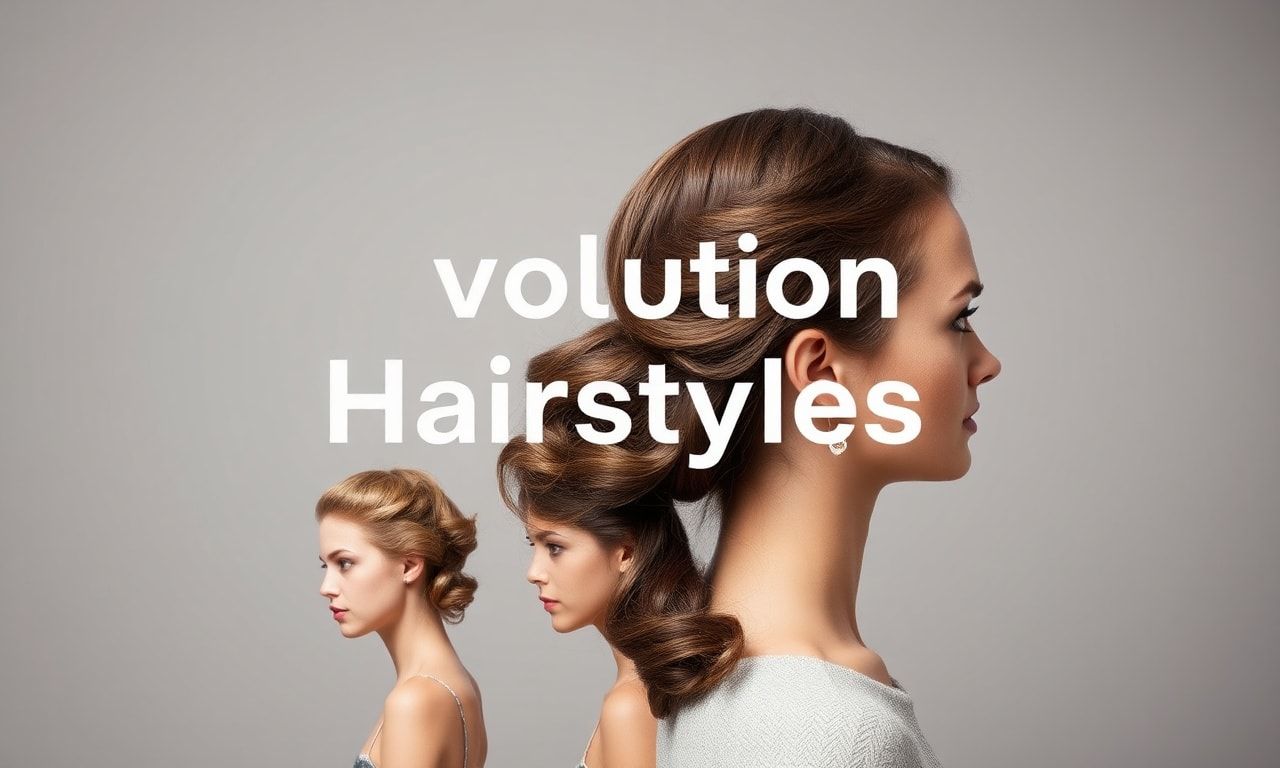
The Timeless Art of Hairstyling
The world of fashion is ever-evolving, and one of its most dynamic aspects is hairstyling. Hairstyles have been a significant form of self-expression throughout history, reflecting cultural shifts, societal changes, and individual personalities. At HairstyleStar.com, we delve into the fascinating journey of hairstyles, from classic to contemporary, and explore how they continue to influence the fashion industry.
The Classic Era: Timeless Elegance
The classic era of hairstyling is characterized by its timeless elegance and simplicity. Think of the sleek bob of the 1920s, the victory rolls of the 1940s, or the bouffant styles of the 1960s. These styles were not just about looking good; they were a statement of identity and rebellion. For instance, the short bob of the 1920s symbolized women’s liberation and their entry into the workforce. Similarly, the afros of the 1970s were a powerful statement of Black pride and cultural identity.
The Influence of Pop Culture
Pop culture has always played a pivotal role in shaping hairstyle trends. From the iconic curls of Marilyn Monroe to the punk rock mohawks of the 1970s, celebrities and musicians have been at the forefront of hairstyle innovation. The 1980s saw the rise of big hair, with styles like the mullet and the perm becoming mainstream. This decade was all about excess and individuality, and hairstyles were no exception. Meanwhile, the 1990s brought a more minimalist approach, with the rise of the Rachel haircut, popularized by the TV show “Friends.”
In recent years, the influence of pop culture on hairstyles has only grown stronger. Social media platforms like Instagram and TikTok have made it easier than ever for trends to spread globally. For example, the “slick back” style, popularized by celebrities like Harry Styles, has become a staple in modern men’s fashion. Similarly, the “space buns” trend, made famous by stars like Kim Kardashian, has become a go-to look for many.
The Role of Sports in Hairstyle Trends
Sports have also played a significant role in shaping hairstyle trends. Athletes often become style icons, inspiring fans to emulate their looks. For instance, the “faux hawk” style, popularized by athletes like David Beckham, has become a popular choice for both men and women. Similarly, the “undercut” style, made famous by basketball player LeBron James, has become a staple in modern men’s fashion.
In the world of Gaelic football, players often sport unique hairstyles that reflect their personalities and team spirit. For the latest updates on the Dublin GAA team and their style, check out the Dublin GAA team news today. Whether it’s a sleek ponytail or a bold undercut, these styles often become trendsetters in their own right.
The Future of Hairstyling
As we look to the future, the world of hairstyling is set to become even more diverse and inclusive. With the rise of gender-neutral fashion, we can expect to see more androgynous hairstyles becoming mainstream. Additionally, the growing awareness of sustainability and ethical fashion is likely to influence hairstyling practices, with a greater emphasis on natural and organic products.
Technology is also set to play a significant role in the future of hairstyling. Virtual try-on apps and AI-powered styling tools are already making it easier for people to experiment with new looks. As these technologies continue to evolve, we can expect to see even more innovative and personalized hairstyling solutions.
Conclusion
From classic to contemporary, hairstyles have always been a powerful form of self-expression. They reflect our cultural heritage, societal values, and individual personalities. As the fashion industry continues to evolve, so too will the world of hairstyling. At HairstyleStar.com, we are excited to be at the forefront of this dynamic and ever-changing industry, helping our readers stay informed and inspired.
