
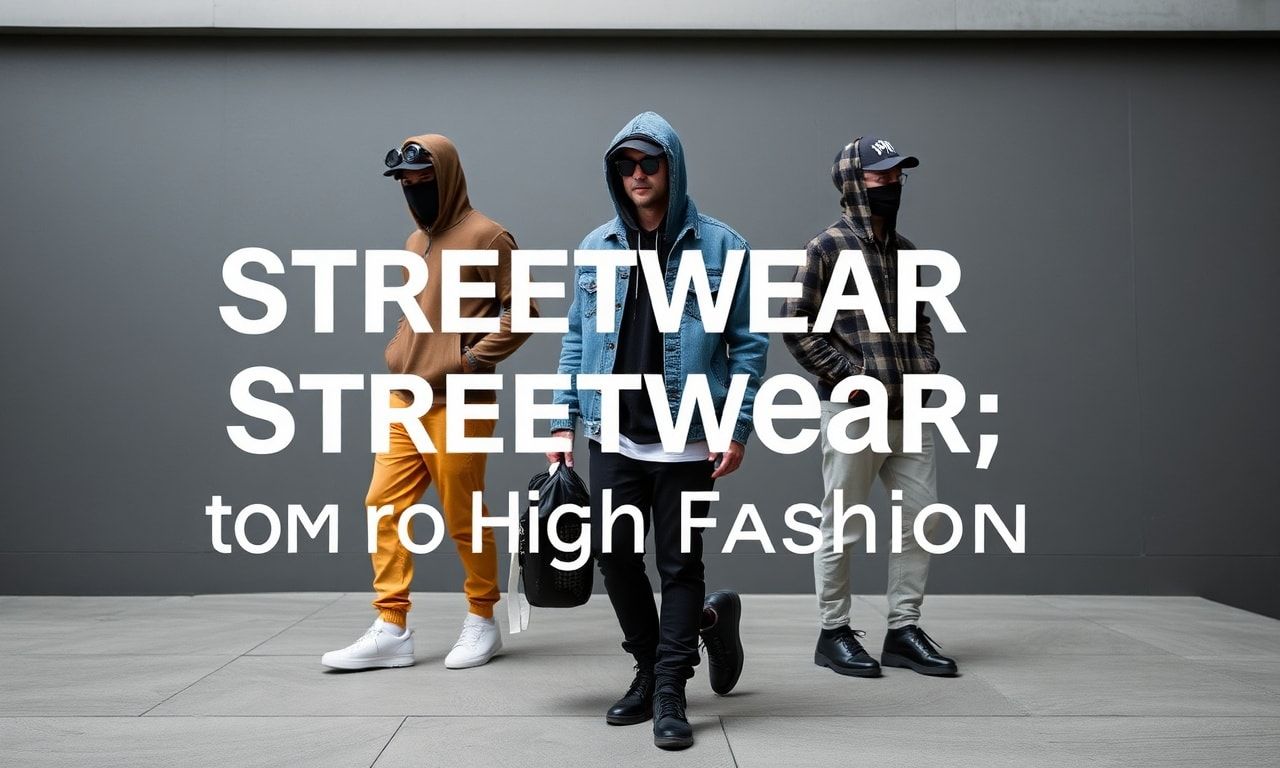
The Birth of Streetwear
Streetwear, as we know it today, has come a long way from its humble beginnings. Born in the late 1970s and early 1980s, streetwear was a reflection of the youth culture and subcultures of the time. It was a fusion of skate culture, hip-hop, and punk, each bringing its unique elements to the mix. Brands like Stüssy, founded by Shawn Stüssy in the early 1980s, were among the first to popularize the streetwear aesthetic. These brands were not just selling clothing; they were selling a lifestyle, a sense of belonging, and a form of self-expression.
The Influence of Music and Pop Culture
Music, particularly hip-hop, played a significant role in the rise of streetwear. Rappers and hip-hop artists became style icons, influencing the youth with their unique fashion sense. Brands like Tommy Hilfiger and Nautica gained popularity in the 1990s, thanks to their association with hip-hop artists. The influence of music on streetwear is still evident today, with collaborations between fashion brands and musicians being a common occurrence. For instance, brands often release limited-edition collections inspired by popular artists, further blurring the lines between music and fashion.
Moreover, the rise of social media has amplified the influence of pop culture on streetwear. Platforms like Instagram and TikTok have made it easier for trends to spread globally, with influencers and celebrities often setting the pace. Keeping up with the latest news today in pop culture can give you a good idea of the direction streetwear is heading. For example, the resurgence of Y2K fashion trends in recent years can be attributed to the influence of Gen Z and their love for nostalgia.
The Role of Technology
Technology has also played a significant role in the evolution of streetwear. The rise of e-commerce has made it easier for brands to reach a global audience, while social media has provided a platform for brands to engage with their customers directly. Additionally, advancements in manufacturing technology have allowed for more innovative designs and materials, pushing the boundaries of what is possible in streetwear.
The Rise of High Fashion Streetwear
In recent years, streetwear has made a significant leap from the streets to the runways of high fashion. Luxury brands like Gucci, Louis Vuitton, and Balenciaga have all incorporated streetwear elements into their collections, blurring the lines between high fashion and street style. This fusion of high fashion and streetwear has given birth to a new category of fashion known as ‘luxury streetwear’. Brands like Off-White and Supreme have become synonymous with this new category, offering high-quality, designer streetwear at a premium price.
The Impact of Collaborations
Collaborations have played a significant role in the rise of high fashion streetwear. Collaborations between streetwear brands and high fashion houses have resulted in some of the most sought-after collections in recent years. For example, the collaboration between Louis Vuitton and Supreme in 2017 was a major milestone in the fusion of high fashion and streetwear. Similarly, the collaboration between Off-White and Nike has resulted in some of the most popular sneaker releases in recent years.
The Future of Streetwear
The future of streetwear looks bright, with the category continuing to evolve and push boundaries. As technology continues to advance, we can expect to see more innovative designs and materials in streetwear. Additionally, the influence of pop culture and music will continue to shape the direction of streetwear, with collaborations between brands and artists becoming more common. Moreover, the rise of sustainable fashion is likely to have a significant impact on streetwear, with more brands adopting eco-friendly practices and materials.
The Importance of Sustainability
Sustainability is a growing concern in the fashion industry, and streetwear is no exception. As consumers become more aware of the environmental impact of their purchases, brands are being forced to adopt more sustainable practices. This includes using eco-friendly materials, reducing waste, and implementing ethical labor practices. Brands that fail to prioritize sustainability risk being left behind as the industry shifts towards a more eco-conscious future.
In conclusion, the evolution of streetwear is a testament to the power of youth culture and its influence on fashion. From its humble beginnings as a subculture to its current status as a global phenomenon, streetwear has come a long way. As it continues to evolve, one thing is clear: streetwear is here to stay.
Discover the latest in style and celebrity fashion with our feature on stars shaping trends today, your go-to guide for staying ahead in the dynamic world of fashion.
You may also find 2024'teki Moda Trendleri: Stilinizi Yeniden Tanımla helpful as it covers related aspects of this subject.
