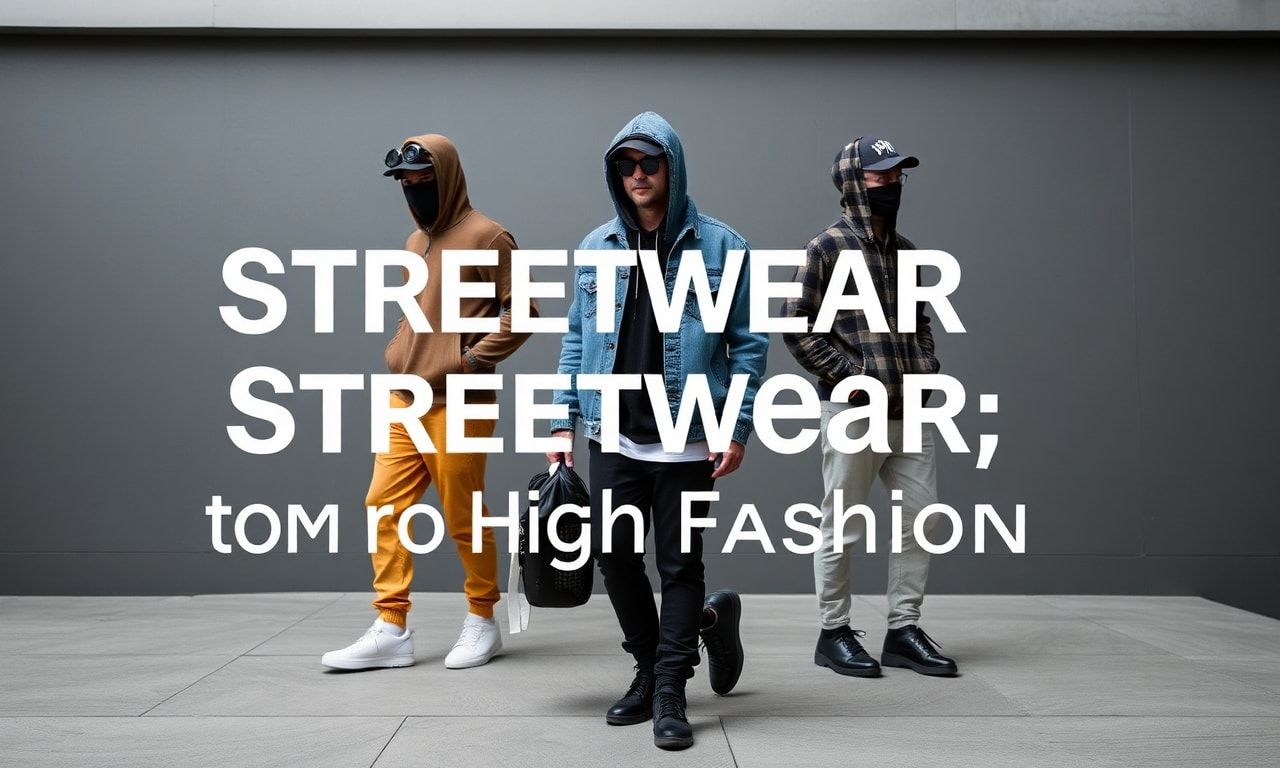
The Rise of Streetwear
Streetwear, once a niche subculture, has evolved into a dominant force in the fashion industry. Originating from the skate and hip-hop scenes of the 1980s and 1990s, streetwear has transcended its humble beginnings to become a staple in wardrobes worldwide. Brands like Stüssy, Supreme, and Off-White have played pivotal roles in this transformation, blending urban aesthetics with high fashion.
What sets streetwear apart is its emphasis on comfort, functionality, and self-expression. Oversized hoodies, graphic tees, and chunky sneakers are just a few examples of the genre’s signature pieces. This style resonates with a diverse audience, from teenagers to celebrities, making it a unifying force in the fashion world. For the latest trends and updates on streetwear, keep an eye on London latest news today update.
The Influence of Streetwear on High Fashion
High fashion has long been influenced by streetwear, with designers like Virgil Abloh and Jeremy Scott incorporating streetwear elements into their collections. The fusion of luxury materials with urban aesthetics has created a new category of fashion that appeals to both streetwear enthusiasts and high-fashion connoisseurs. This crossover has led to collaborations between streetwear brands and luxury houses, further blurring the lines between the two worlds.
One of the most notable collaborations is the partnership between Louis Vuitton and Supreme. This collaboration brought high fashion and streetwear together, creating a buzz that transcended the fashion industry. Other notable collaborations include Adidas and Pharrell Williams, as well as Nike and Off-White. These partnerships have not only elevated streetwear’s status but also brought fresh perspectives to high fashion.
Key Elements of Streetwear
Streetwear is characterized by several key elements that define its aesthetic and appeal. These elements include:
- Comfort and Functionality: Streetwear prioritizes comfort and functionality, with pieces designed for ease of movement and durability.
- Graphic Designs: Bold graphics, logos, and slogans are hallmarks of streetwear, often conveying messages of rebellion, individuality, and cultural identity.
- Oversized Silhouettes: Oversized hoodies, jackets, and pants are popular in streetwear, offering a relaxed and comfortable fit.
- Chunky Sneakers: Sneakers are a staple in streetwear, with brands like Nike, Adidas, and New Balance leading the way in innovative designs.
- Layering: Layering is a common technique in streetwear, allowing for versatility and personal expression.
Streetwear and Sustainability
As the fashion industry grapples with sustainability issues, streetwear brands are increasingly adopting eco-friendly practices. From using recycled materials to implementing ethical production processes, these brands are setting new standards for sustainability. Consumers are also becoming more conscious of their purchasing decisions, favoring brands that align with their values.
Brands like Patagonia and Veja are leading the way in sustainable streetwear, using organic cotton, recycled polyester, and other eco-friendly materials. These brands are not only reducing their environmental impact but also inspiring other brands to follow suit. As sustainability becomes a priority for consumers, the streetwear industry is poised to undergo a significant transformation.
The Future of Streetwear
The future of streetwear looks bright, with continued growth and innovation on the horizon. As the genre evolves, it will likely incorporate more technology, such as smart fabrics and wearable tech. Additionally, the rise of social media and influencer culture will continue to shape streetwear trends, making it more accessible and diverse.
Streetwear has come a long way from its subculture roots, and its influence on the fashion industry is undeniable. As it continues to evolve, streetwear will undoubtedly remain a powerful force in the world of fashion, inspiring new generations of designers and consumers alike.