
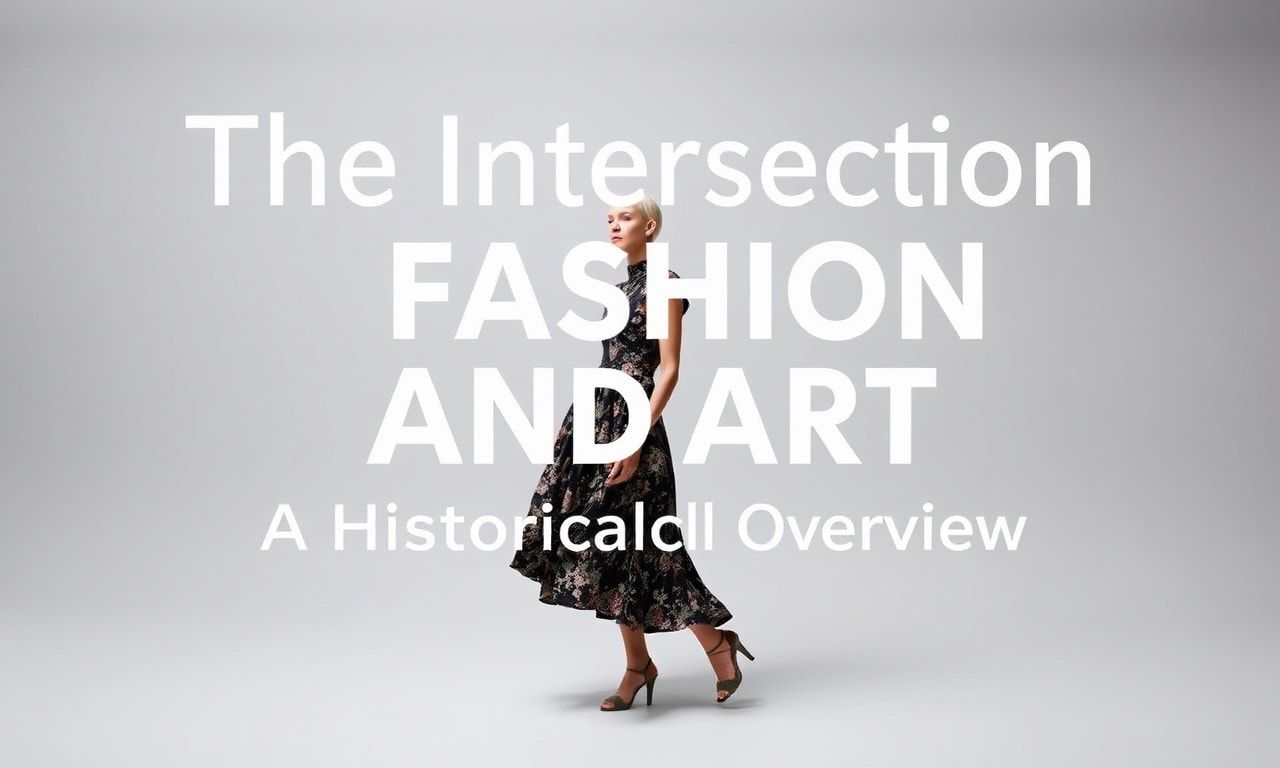
The Timeless Connection Between Fashion and Art
Fashion and art have always been intertwined, with each influencing the other in profound ways. From the intricate designs of Renaissance clothing to the avant-garde styles of the 20th century, fashion has often drawn inspiration from the art world. Understanding this connection can provide a deeper appreciation for both fashion and art, revealing how they reflect and shape cultural trends and societal values.
Art has been a significant source of inspiration for fashion designers throughout history. The vibrant colors, intricate patterns, and bold forms found in various art movements have often been translated into clothing and accessories. For instance, the Impressionist movement’s emphasis on light and color influenced the pastel hues and fluid silhouettes of the Belle Époque era. Similarly, the geometric shapes and abstract forms of Cubism found their way into the bold, angular designs of 1920s fashion.
Moreover, the relationship between fashion and art is not one-sided. Fashion itself can be considered an art form, with designers acting as artists who create wearable masterpieces. The craftsmanship, creativity, and innovation involved in fashion design are akin to those found in traditional art forms. This symbiotic relationship continues to evolve, with contemporary designers and artists collaborating to push the boundaries of both fields.
The Influence of Religious Art on Fashion
Religious art has also played a significant role in shaping fashion trends. The opulence and grandeur of religious art, particularly in Catholic art and architecture history, have inspired many designers. The intricate details, rich fabrics, and symbolic motifs found in religious artworks have been incorporated into high fashion, creating pieces that are both aesthetically stunning and culturally significant.
For example, the use of gold and other luxurious materials in religious art has influenced the creation of ornate, high-end fashion pieces. The intricate embroidery and detailed craftsmanship seen in religious vestments have also inspired designers to create clothing that is not only beautiful but also tells a story. This connection between religious art and fashion highlights the enduring influence of cultural and historical contexts on style trends.
Iconic Fashion Movements Inspired by Art
Throughout history, various art movements have left an indelible mark on fashion. Here are some of the most iconic examples:
- Art Nouveau: This movement, characterized by its flowing lines and natural forms, influenced the elegant, elongated silhouettes of early 20th-century fashion. Designers like Paul Poiret drew inspiration from Art Nouveau’s organic motifs, creating dresses that were both beautiful and innovative.
- Surrealism: The surrealist movement’s exploration of the subconscious and dreamlike imagery has inspired avant-garde fashion designers. Designers like Elsa Schiaparelli collaborated with surrealist artists to create clothing that challenged conventional norms and pushed the boundaries of fashion.
- Pop Art: The vibrant colors and bold patterns of Pop Art have influenced contemporary fashion. Designers like Andy Warhol and Yayoi Kusama have collaborated with fashion brands to create collections that are as much art as they are clothing.
The Role of Fashion in Art
Fashion has also played a crucial role in the world of art. Artists have often used fashion as a medium to explore themes of identity, culture, and society. For example, the works of artist Cindy Sherman often feature elaborate costumes and makeup to explore the constructed nature of identity. Similarly, fashion photographers like Richard Avedon and Annie Leibovitz have used fashion as a means to capture the essence of their subjects and the cultural moments they represent.
The intersection of fashion and art is also evident in the world of haute couture. Designers like Alexander McQueen and John Galliano have created collections that are not just clothing but also works of art. These designers often draw inspiration from various art forms, creating pieces that are both wearable and visually stunning. The runway shows of these designers are akin to art exhibitions, with each piece telling a story and evoking a range of emotions.
Conclusion: The Enduring Connection
The connection between fashion and art is a testament to the enduring influence of creativity and innovation. From the intricate designs of religious art to the bold forms of modern art movements, fashion has always drawn inspiration from the world of art. This symbiotic relationship continues to evolve, with designers and artists collaborating to push the boundaries of both fields. Understanding this connection can provide a deeper appreciation for both fashion and art, revealing how they reflect and shape cultural trends and societal values.
As we continue to explore the intersection of fashion and art, it is clear that this relationship will remain a source of inspiration and innovation. Whether through the use of traditional techniques or the incorporation of new technologies, the connection between fashion and art will continue to evolve, creating new possibilities for both fields. By embracing this connection, we can celebrate the creativity and craftsmanship that define both fashion and art, and the enduring impact they have on our lives.
You may also find The Intersection of Technology and Wellness: helpful as it covers related aspects of this subject.
You may also find Kişisel Finanslarınızı Düzenleyin ve Zenginlik Yolu helpful as it covers related aspects of this subject.
