
The Intersection of Fashion and Culture
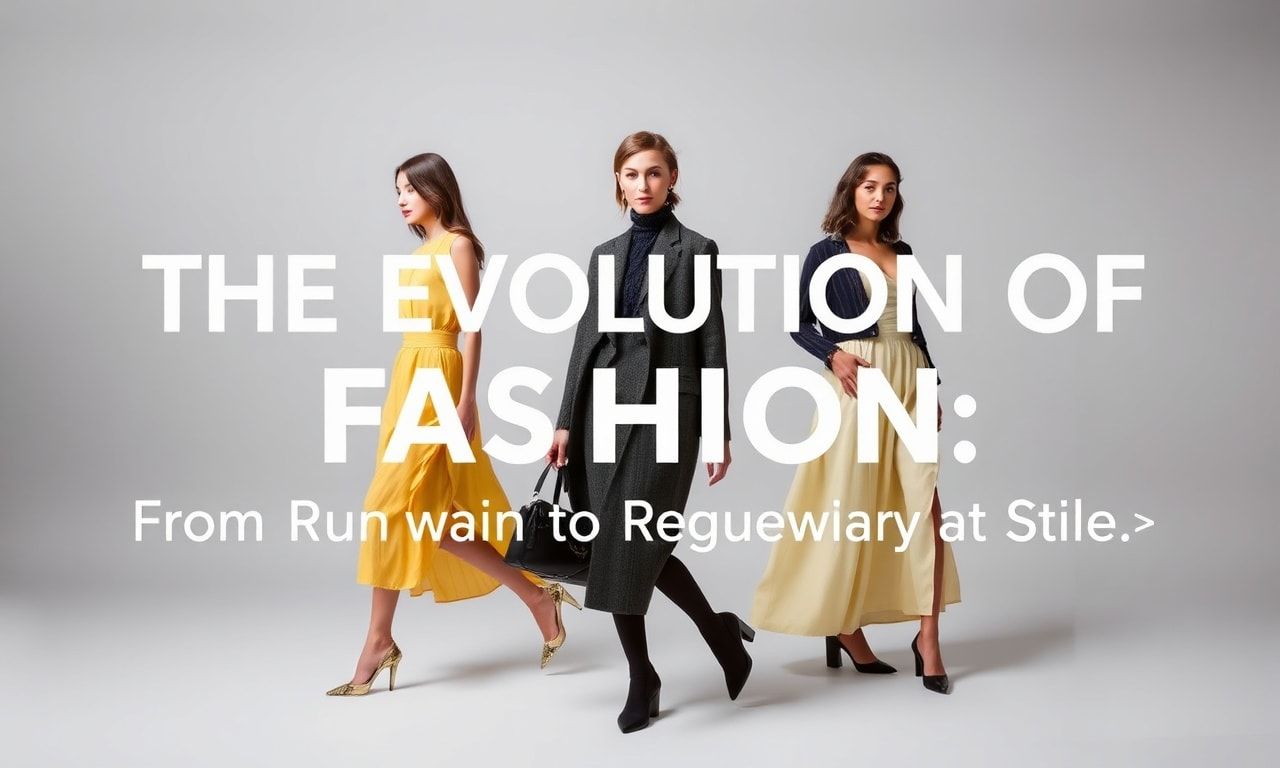
The world of fashion is a dynamic and ever-evolving landscape that reflects the cultural, social, and political zeitgeist of any given era. From the glamorous runways of Paris and Milan to the bustling streets of New York and Tokyo, fashion serves as a universal language that transcends borders and languages. It is a form of self-expression that allows individuals to communicate their unique identities and aspirations. As we delve into the intricacies of modern fashion, it is essential to recognize its deep-rooted connection to cultural movements and historical events.
The Influence of Cinema on Fashion Trends
The silver screen has long been a significant influencer in the world of fashion. Iconic films and their stylish protagonists have inspired countless trends that have made their way from the cinema to the streets. For instance, the classic elegance of Audrey Hepburn in “Breakfast at Tiffany’s” or the rebellious chic of James Dean in “Rebel Without a Cause” have left an indelible mark on fashion history. To stay updated on the latest cinematic releases and their potential fashion impacts, you can check out the bugünkü sinema gösterimleri güncelleme for timely updates and reviews. This intersection of cinema and fashion continues to inspire designers and fashion enthusiasts alike, creating a symbiotic relationship that enriches both industries.
The Rise of Sustainable Fashion
In recent years, the fashion industry has witnessed a significant shift towards sustainability. As consumers become more conscious of their environmental impact, there is a growing demand for eco-friendly and ethically produced clothing. Sustainable fashion encompasses a wide range of practices, from using organic and recycled materials to implementing fair labor practices. This movement is not just a trend but a necessary evolution in the fashion industry. Designers and brands are increasingly adopting sustainable practices, proving that style and sustainability can coexist harmoniously. This shift is not only beneficial for the planet but also for the long-term viability of the fashion industry.
Key Sustainable Fashion Practices
Sustainable fashion involves several key practices that are essential for reducing the environmental footprint of the industry. These include:
- Use of Eco-Friendly Materials: Opting for organic cotton, hemp, and recycled fabrics reduces the reliance on harmful chemicals and synthetic materials.
- Ethical Production: Ensuring fair wages and safe working conditions for garment workers is crucial for ethical fashion.
- Minimal Waste: Implementing zero-waste patterns and upcycling techniques helps minimize textile waste.
- Transparency: Brands that are transparent about their supply chain and production processes build trust with consumers.
The Impact of Social Media on Fashion Trends
The advent of social media has revolutionized the way fashion trends are disseminated and consumed. Platforms like Instagram, Pinterest, and TikTok have become virtual runways where influencers and everyday users share their style inspirations. This democratization of fashion has given rise to a more inclusive and diverse fashion landscape. Social media allows for instant feedback and interaction, enabling designers and brands to gauge public opinion and adapt their collections accordingly. The power of social media in shaping fashion trends cannot be overstated, as it has become an integral part of the fashion ecosystem.
Influencer Culture and Fashion
Influencers play a pivotal role in shaping fashion trends through their curated content and personal style. They have the ability to reach a global audience and inspire millions of followers with their fashion choices. Collaborations between influencers and brands have become a common practice, leading to unique and innovative collections that cater to the tastes of the digital-savvy generation. The influence of social media on fashion is a testament to the power of digital platforms in shaping contemporary culture and consumer behavior.
The Future of Fashion: Technology and Innovation
The future of fashion is closely tied to technological advancements and innovative practices. From virtual fashion shows to AI-driven design tools, technology is transforming the way we create, consume, and experience fashion. The integration of technology in fashion opens up new possibilities for creativity and sustainability. As we look ahead, it is clear that the fashion industry will continue to evolve, driven by innovation and a commitment to a more sustainable and inclusive future.
Emerging Technologies in Fashion
Several emerging technologies are set to revolutionize the fashion industry:
- Virtual Reality (VR) and Augmented Reality (AR): These technologies enhance the shopping experience by allowing customers to try on clothes virtually.
- 3D Printing: This innovative technique enables the creation of custom-made garments with minimal waste.
- AI and Machine Learning: These tools assist in predicting trends, personalizing shopping experiences, and optimizing supply chains.
- Blockchain: This technology ensures transparency and traceability in the fashion supply chain.
These advancements are paving the way for a more efficient, sustainable, and customer-centric fashion industry.
