
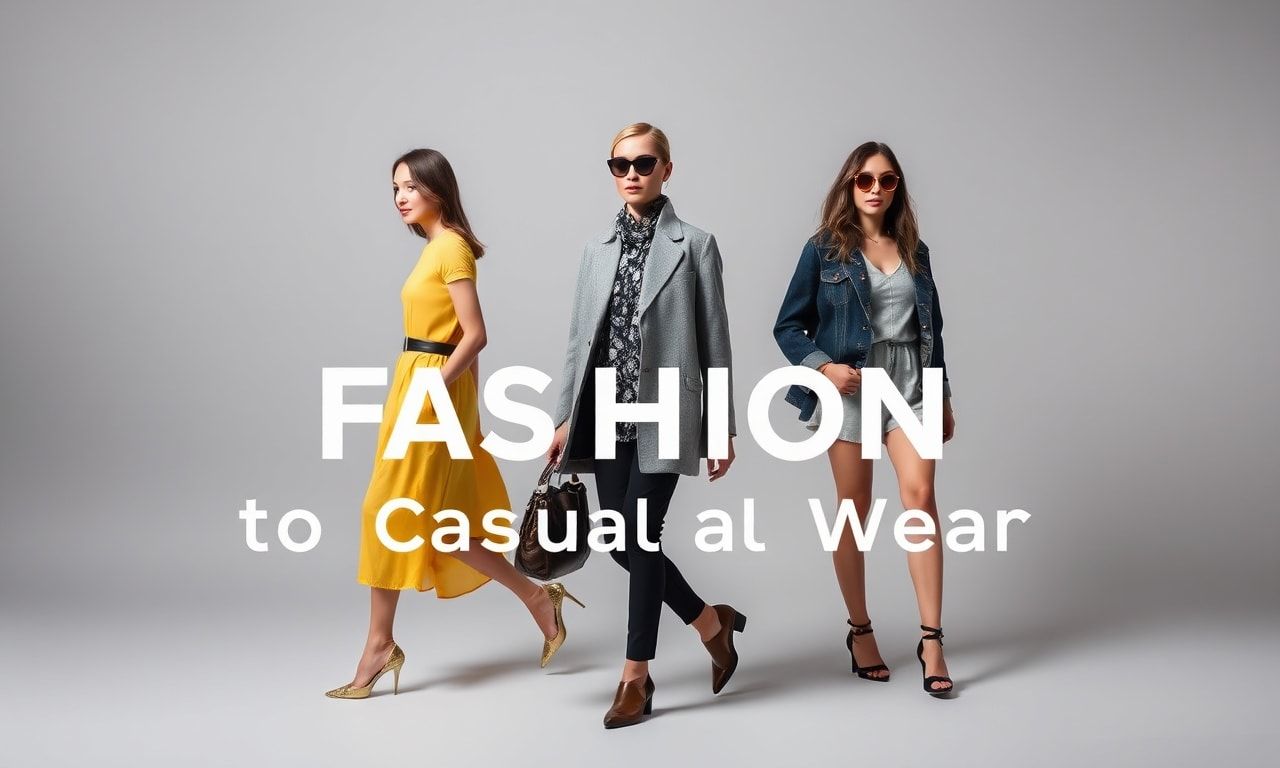
The Intersection of Fashion and Law
The fashion industry is a dynamic and ever-evolving landscape that not only dictates trends but also intersects with various other sectors, including law. Understanding the legal aspects of fashion can provide a comprehensive view of the industry. For instance, intellectual property rights are crucial in protecting designs and brands. If you’re interested in delving deeper into the legal nuances of fashion, exploring hukuki kaynaklar can offer valuable insights and resources.
The Influence of Cultural Diversity on Fashion
Fashion is a universal language that transcends borders and cultures. The globalized world has made it easier for designers to draw inspiration from diverse cultural backgrounds, leading to a rich tapestry of styles and trends. From traditional African prints to Japanese minimalism, cultural diversity has significantly influenced contemporary fashion. This fusion of styles not only enriches the fashion landscape but also promotes cultural appreciation and understanding.
Key Cultural Influences in Modern Fashion
Several cultural influences have left an indelible mark on modern fashion:
- African Prints: Bold and vibrant, African prints have become a staple in many fashion collections, symbolizing heritage and identity.
- Japanese Minimalism: Known for its simplicity and elegance, Japanese minimalism has influenced Western fashion with its clean lines and neutral colors.
- Indian Embroidery: Intricate embroidery techniques from India have been incorporated into high-end fashion, adding a touch of luxury and craftsmanship.
- Latin American Vibrancy: The vibrant colors and patterns from Latin America bring a sense of joy and energy to fashion designs.
The Role of Sustainability in Fashion
Sustainability has become a critical aspect of the fashion industry, driven by increasing environmental awareness and consumer demand for eco-friendly products. Designers and brands are now focusing on sustainable practices, from sourcing materials responsibly to reducing waste and promoting ethical labor practices. This shift towards sustainability is not only beneficial for the environment but also aligns with the values of a growing number of consumers who prioritize ethical and eco-conscious choices.
Sustainable Fashion Practices
Adopting sustainable practices in fashion involves several key strategies:
- Eco-Friendly Materials: Using organic cotton, recycled fabrics, and other sustainable materials helps reduce the environmental impact.
- Ethical Production: Ensuring fair wages and safe working conditions for workers is crucial for ethical fashion.
- Waste Reduction: Implementing zero-waste patterns and upcycling old garments can significantly reduce textile waste.
- Transparency: Brands that are transparent about their supply chains and production processes build trust with consumers.
The Impact of Technology on Fashion
Technology has revolutionized the fashion industry, from the way designs are created to how they are marketed and sold. Digital tools and platforms have made it easier for designers to experiment with new styles and for consumers to access a wider range of products. Social media, in particular, has played a significant role in shaping fashion trends and connecting brands with their audiences. The rise of e-commerce has also transformed the retail landscape, making fashion more accessible and convenient for consumers worldwide.
Technological Innovations in Fashion
Several technological innovations have had a profound impact on the fashion industry:
- 3D Printing: This technology allows for the creation of intricate and customized designs, reducing material waste and production time.
- Virtual Fashion Shows: Virtual reality and augmented reality have enabled brands to host immersive fashion shows, reaching a global audience.
- AI and Machine Learning: Artificial intelligence and machine learning are used to analyze consumer data, predict trends, and personalize shopping experiences.
- Sustainable Tech: Innovations in sustainable technology, such as biodegradable fabrics and waterless dyeing processes, are helping to reduce the environmental impact of fashion.
The Future of Fashion
The future of fashion is likely to be shaped by a combination of sustainability, technology, and cultural diversity. As consumers become more conscious of their purchasing decisions, brands will need to adapt by embracing ethical and eco-friendly practices. Technology will continue to play a pivotal role in shaping trends and enhancing the shopping experience. Meanwhile, the influence of cultural diversity will ensure that fashion remains a vibrant and dynamic industry, reflecting the rich tapestry of human experiences and identities.
In conclusion, the fashion industry is at a crossroads, where tradition meets innovation, and sustainability meets style. By understanding and embracing these trends, we can look forward to a future where fashion is not only beautiful but also responsible and inclusive.
As we navigate the ever-changing landscape of style and society, understanding the framework that governs our world is essential; delve into the role of legislation today to see how it shapes our collective fashion and beauty narratives.
Elevate your travel style with our handy tips on brewing coffee on the go, ensuring you never miss out on your caffeine fix while exploring the globe in chic comfort.
Ever wondered about the legal intricacies behind your favorite fashion trends? Dive into fashion’s legal landscape and discover the unseen rules that shape the style world.
