
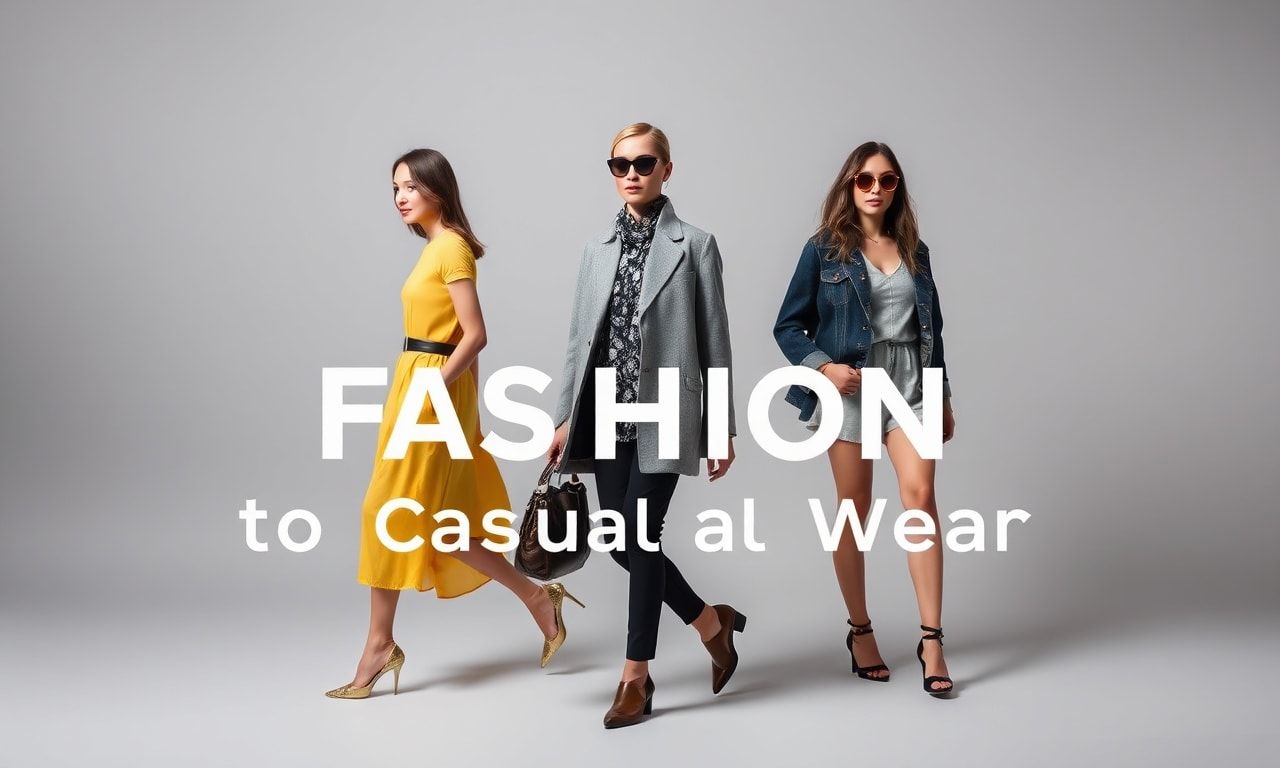
The Intersection of Fashion and Culture
The world of fashion is a dynamic and ever-evolving landscape that reflects the cultural, social, and political zeitgeist of any given era. From the extravagant designs of the Victorian era to the minimalist aesthetics of the 21st century, fashion has always been a mirror of societal values and aspirations. Understanding the historical context of fashion trends can provide valuable insights into the creative process behind contemporary styles. For instance, the resurgence of 90s fashion trends in recent years can be attributed to a collective nostalgia for a time of cultural and technological transformation. This cyclical nature of fashion not only influences what we wear but also how we perceive ourselves and the world around us.
Sustainability in Fashion: A New Era
In recent years, the fashion industry has witnessed a significant shift towards sustainability. Consumers are increasingly aware of the environmental impact of fast fashion and are demanding more eco-friendly alternatives. This has led to the rise of sustainable fashion brands that prioritize ethical sourcing, fair labor practices, and eco-conscious materials. The use of organic cotton, recycled fabrics, and innovative materials like pineapple leather (Piñatex) and mushroom leather (Mylo) is becoming more prevalent. Additionally, the concept of a circular economy, where products are designed for longevity and recyclability, is gaining traction. This shift towards sustainability is not just a trend but a necessary evolution in the fashion industry to address pressing environmental concerns.
The Influence of Technology on Fashion
Technology has revolutionized the fashion industry in numerous ways, from design and production to marketing and retail. The advent of 3D printing has enabled designers to create intricate and customized pieces with minimal waste. Virtual reality (VR) and augmented reality (AR) technologies are transforming the way consumers interact with fashion, offering immersive shopping experiences and virtual try-ons. Social media platforms like Instagram and TikTok have become powerful tools for fashion brands to reach global audiences and engage with consumers in real-time. Furthermore, the rise of influencer marketing has democratized fashion, allowing individuals to showcase their personal style and influence trends on a massive scale. As technology continues to advance, its impact on the fashion industry will only grow, opening up new possibilities for creativity and innovation.
Fashion and Public Service Recognition
Fashion is not just about personal expression; it also plays a significant role in public service and recognition. For example, the annual Met Gala in New York City is a celebration of fashion that raises funds for the Metropolitan Museum of Art’s Costume Institute. Similarly, events like the Oscars and the Emmys showcase the intersection of fashion and entertainment, with celebrities using their red carpet appearances to make bold statements and support various causes. In the UK, initiatives like those highlighted in Dundee public service recognition news today demonstrate how fashion can be leveraged to honor and celebrate public service achievements. Whether through charitable events, awards ceremonies, or community initiatives, fashion has the power to bring people together and highlight important social issues.
The Future of Fashion: Trends to Watch
The future of fashion is shaped by a blend of technological innovation, sustainability efforts, and cultural shifts. One trend to watch is the increasing personalization of fashion through AI and data analytics. Brands are using AI to analyze consumer preferences and create tailored recommendations, leading to a more personalized shopping experience. Another emerging trend is the rise of gender-neutral fashion, which challenges traditional binary norms and promotes inclusivity. Additionally, the concept of ‘slow fashion’ is gaining momentum, emphasizing quality over quantity and encouraging consumers to invest in timeless pieces. As the fashion industry continues to evolve, these trends will likely shape the way we think about and engage with fashion in the years to come.
Key Takeaways
The fashion industry is a vibrant and ever-changing landscape that reflects the values and aspirations of society. From the historical context of fashion trends to the rise of sustainable and tech-driven innovations, the industry is constantly evolving. Fashion also plays a significant role in public service and recognition, highlighting its broader cultural impact. As we look to the future, trends like personalization, gender-neutral fashion, and slow fashion will continue to shape the industry. Understanding these dynamics can provide valuable insights into the creative process and the broader cultural significance of fashion.
In the ever-evolving world of fashion and beauty, understanding digital brand leadership strategies can set your style game apart and help you stay ahead of the curve.
As you curate your dream living space with the latest style trends, consider the bigger picture with investing in Bakırköy homes, a guide to blending fashion and property.
As the seasons change, so do our wardrobes, and this year is no exception with a fresh wave of trends to embrace. Discover the latest spring and summer fashion trends that are set to dominate the scene.
