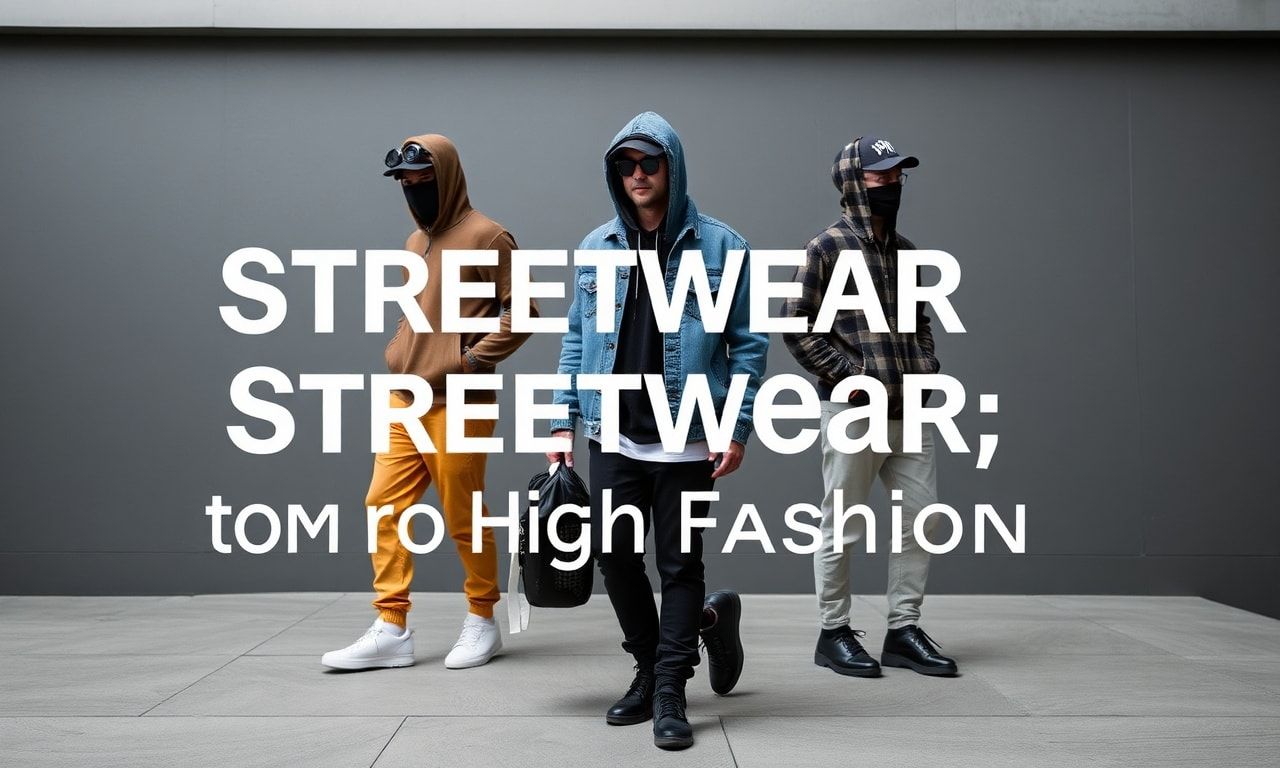
The Roots of Streetwear
Streetwear, a style originating from the urban youth culture of the late 1970s and early 1980s, has evolved from a niche subculture to a dominant force in the fashion industry. Born from the skateboarding, hip-hop, and surf communities, streetwear was initially a form of self-expression and identity. Brands like Stüssy, Supreme, and A Bathing Ape (BAPE) were pioneers, creating clothing that resonated with the rebellious spirit of these subcultures.
The aesthetic was characterized by oversized hoodies, baggy jeans, graphic tees, and sneakers. These items were not just clothing; they were symbols of belonging and individuality. The influence of streetwear was further amplified by the rise of hip-hop music and skateboarding culture, which became global phenomena.
As streetwear gained traction, it began to influence mainstream fashion. Designers started to incorporate elements of streetwear into their collections, blurring the lines between high fashion and street style. This fusion has given rise to a new era of fashion where comfort, functionality, and self-expression are paramount.
The Rise of Streetwear in High Fashion
In recent years, streetwear has made a significant impact on the high fashion world. Luxury brands like Gucci, Louis Vuitton, and Balenciaga have embraced streetwear elements, creating collections that blend high-end materials with urban aesthetics. This shift has been driven by a new generation of consumers who value authenticity, individuality, and comfort.
One of the most notable examples of this fusion is the collaboration between high fashion brands and streetwear labels. For instance, Supreme’s partnerships with brands like Louis Vuitton and Lacoste have created highly sought-after collections that command premium prices. These collaborations have not only elevated the status of streetwear but also brought a fresh perspective to high fashion.
The influence of streetwear is also evident in the runway shows of major fashion houses. Designers are increasingly incorporating elements like graphic tees, hoodies, and sneakers into their collections. This trend reflects a broader cultural shift towards a more relaxed and inclusive approach to fashion.
The Impact of Technology on Streetwear
Technology has played a crucial role in the evolution of streetwear. The rise of social media platforms like Instagram, TikTok, and YouTube has democratized fashion, allowing streetwear brands to reach a global audience. These platforms have become virtual runways where new trends are born and popularized.
Influencers and celebrities have also played a significant role in shaping streetwear trends. Their endorsements and collaborations with brands have helped to elevate the status of streetwear. For example, rapper Travis Scott’s collaboration with Nike and his own brand, Cactus Jack, has become a cultural phenomenon, influencing fashion trends worldwide.
Moreover, the rise of e-commerce has made streetwear more accessible. Online marketplaces like Grailed, Depop, and StockX have created a thriving secondary market for rare and limited-edition streetwear items. This has not only increased the value of streetwear but also fostered a community of collectors and enthusiasts.
The Future of Streetwear
The future of streetwear looks bright, with continued innovation and collaboration. As the fashion industry becomes more inclusive and diverse, streetwear is poised to play a central role. The focus on sustainability and ethical practices is also shaping the future of streetwear, with brands like Patagonia and Outdoor Voices leading the way.
In addition, the rise of virtual fashion and the metaverse is opening up new possibilities for streetwear. Brands are exploring digital fashion shows, virtual collections, and NFTs, creating a new frontier for streetwear. This digital evolution is not only expanding the reach of streetwear but also redefining its boundaries.
As streetwear continues to evolve, it will remain a powerful form of self-expression and identity. Its influence on high fashion, technology, and culture is a testament to its enduring appeal. Whether you’re a seasoned fashion enthusiast or a newcomer to the scene, streetwear offers a world of creativity and individuality.
Conclusion
From its humble beginnings in the subcultures of the 1980s to its current status as a global fashion phenomenon, streetwear has come a long way. Its journey is a testament to the power of self-expression and the evolving nature of fashion. As we look to the future, streetwear will continue to inspire and innovate, shaping the fashion landscape for generations to come.
For those interested in the latest trends and reviews, check out video game reviews ratings 2026 for insights into the intersection of fashion and technology.
As the seasons change, so do our wardrobes, and this spring and summer, it’s all about fresh, bold looks – discover the latest fashion trends that will inspire your style.
Discover how to infuse your brand with local charm and cultural relevance by exploring culture-driven marketing strategies that resonate with fashion-forward audiences.
As we celebrate athletic prowess, let’s also admire the style and grace of our sports stars; dive into Pakistan’s sports fashion evolution that’s making waves globally.