The Power of First Impressions in Educational Settings
In the realm of education, first impressions matter just as much as they do in the fashion world. The way students and educators present themselves can significantly impact the learning environment. Dress codes and personal style choices are not just about aesthetics; they play a crucial role in shaping perceptions and fostering a positive atmosphere. As fashion trends evolve, so do the norms within educational institutions, creating a dynamic interplay between style and learning.
The Evolution of Dress Codes in Schools
Over the years, dress codes in schools have undergone a remarkable transformation. What was once a strict and uniform policy has now become more flexible, allowing students to express their individuality while still adhering to certain guidelines. This shift mirrors the broader trends in the fashion industry, where personal expression and creativity are highly valued. Schools are increasingly recognizing the importance of allowing students to showcase their unique styles, as it can boost confidence and self-esteem, ultimately enhancing the learning experience.
However, this evolution is not without its challenges. Educators and policymakers must strike a delicate balance between fostering creativity and maintaining a conducive learning environment. For instance, while vibrant and eclectic styles can be inspiring, they must not distract from the primary goal of education. This delicate balance is a topic of ongoing debate, with many turning to resources like education news policy changes to stay informed about the latest developments and best practices.
The Role of Fashion in Boosting Confidence
Confidence is a key ingredient in academic success. When students feel good about their appearance, they are more likely to engage actively in class and participate in discussions. Fashion plays a pivotal role in this aspect, as it allows individuals to project their personality and boost their self-esteem. For example, a well-tailored outfit or a stylish accessory can make a student feel more confident and ready to tackle the day’s challenges.
Moreover, the fashion industry has made significant strides in promoting inclusivity and diversity. Brands are now offering a wider range of sizes, styles, and designs to cater to different body types and preferences. This inclusivity extends to educational settings, where students from diverse backgrounds can find clothing that makes them feel comfortable and confident. By embracing this diversity, schools can create a more inclusive and supportive learning environment.
Fashion Trends That Enhance Learning
Certain fashion trends can actually enhance the learning experience. For instance, comfortable and practical clothing, such as layered outfits, can help students adapt to different classroom environments. Layering allows for easy adjustment to varying temperatures, ensuring that students remain comfortable and focused throughout the day. Additionally, accessories like stylish backpacks and organizers can help students stay organized, making it easier for them to manage their academic responsibilities.
Another trend that has gained popularity is the use of sustainable and eco-friendly materials. As environmental awareness grows, more students are opting for clothing made from recycled or organic materials. This trend not only promotes sustainability but also encourages students to think critically about their impact on the environment. By incorporating eco-friendly fashion into their daily lives, students can develop a sense of responsibility and awareness that extends beyond the classroom.
The Impact of Fashion on Teacher-Student Relationships
Fashion also plays a role in shaping the dynamics between teachers and students. When educators dress in a manner that is both professional and approachable, they can create a more open and inviting classroom environment. This can foster better communication and trust between teachers and students, ultimately enhancing the learning experience. Similarly, students who dress in a way that reflects their personality can make it easier for teachers to connect with them on a personal level.
Furthermore, fashion can serve as a tool for self-expression and creativity, which are essential skills in both academic and professional settings. By encouraging students to explore their personal style, educators can help them develop these skills and prepare them for future challenges. This holistic approach to education recognizes the importance of fashion as a means of self-expression and personal growth.
Conclusion
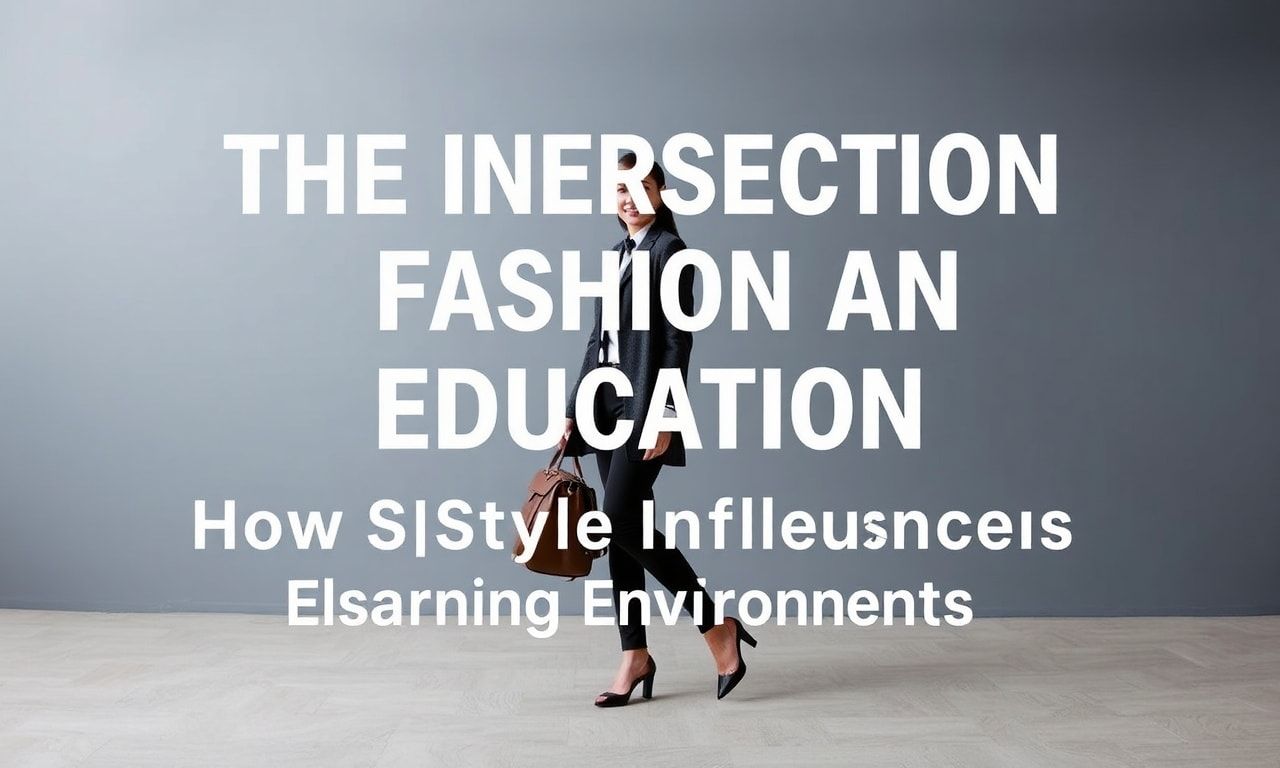
The intersection of fashion and education is a fascinating and evolving field. As fashion trends continue to influence educational settings, it is crucial for educators and policymakers to stay informed and adapt to these changes. By embracing the power of personal style and creativity, schools can create a more inclusive, supportive, and inspiring learning environment. Whether through dress codes, sustainable fashion, or the use of accessories, fashion has the potential to enhance the educational experience and prepare students for a successful future.
As we step into the warmer months, discover what’s in store with our spring-summer fashion trends that are set to redefine your wardrobe.