
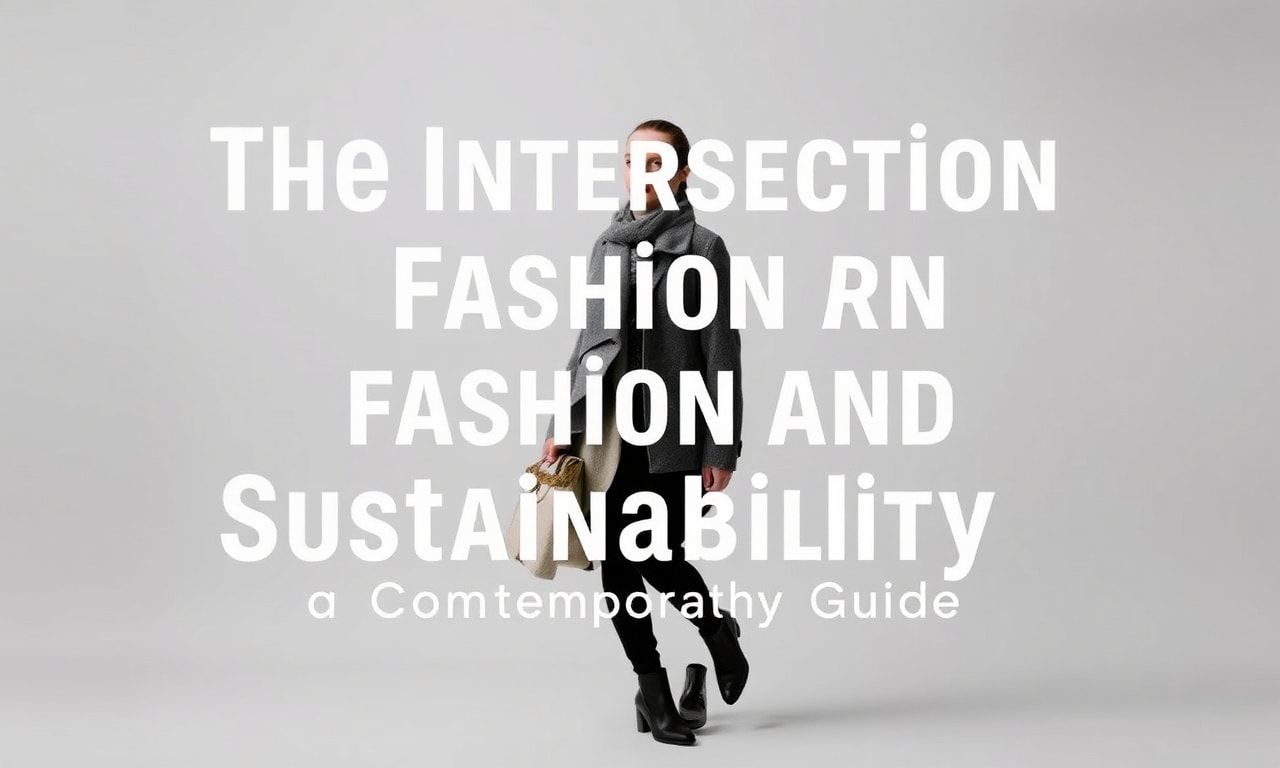
The Rise of Sustainable Fashion
The fashion industry is undergoing a significant transformation, with sustainability taking center stage. As consumers become more environmentally conscious, the demand for eco-friendly fashion is on the rise. This shift is not just a trend but a movement that is reshaping the way we think about style and consumption. Sustainable fashion encompasses a wide range of practices, from using organic materials to implementing ethical labor practices. It’s a holistic approach that considers the environmental, social, and economic impacts of the fashion industry.
Key Elements of Sustainable Fashion
Sustainable fashion is characterized by several key elements that set it apart from conventional fashion. These include:
- Eco-friendly Materials: Using organic, recycled, or upcycled materials that have a lower environmental impact.
- Ethical Production: Ensuring fair wages and safe working conditions for workers throughout the supply chain.
- Minimal Waste: Implementing zero-waste patterns and techniques to reduce textile waste.
- Durability: Creating high-quality garments that last longer, reducing the need for frequent replacements.
These elements are crucial in creating a fashion industry that is both stylish and sustainable. By focusing on these aspects, brands can appeal to a growing market of conscious consumers who value both aesthetics and ethics.
The Role of Innovation in Sustainable Fashion
Innovation plays a pivotal role in the evolution of sustainable fashion. From biodegradable fabrics to 3D printing, technology is driving the industry towards a more sustainable future. Brands are also exploring alternative materials like pineapple leather and mushroom-based textiles, which offer eco-friendly alternatives to traditional materials. Additionally, advancements in recycling technologies are making it easier to repurpose old garments and textiles, further reducing waste.
One interesting aspect of innovation in fashion is the integration of technology into everyday wear. For instance, smart fabrics that monitor health metrics or adjust to temperature changes are becoming more common. This not only adds a functional element to fashion but also aligns with the principles of sustainability by promoting longevity and versatility in clothing.
Sustainable Fashion and the Circular Economy
The concept of a circular economy is gaining traction in the fashion industry. Unlike the traditional linear model of ‘take, make, dispose,’ a circular economy focuses on reusing, repairing, and recycling materials to minimize waste. This approach encourages brands to design products with their entire lifecycle in mind, from production to disposal.
Consumers are also playing a crucial role in this shift. By choosing to buy second-hand, repair old clothes, or participate in clothing swaps, individuals can contribute to a more sustainable fashion ecosystem. Brands are responding to this demand by offering repair services, take-back programs, and rental options, making sustainable fashion more accessible to a wider audience.
The Impact of Consumer Behavior
Consumer behavior is a significant driver of change in the fashion industry. As more people become aware of the environmental and social impacts of their purchasing decisions, they are opting for brands that align with their values. This shift in consumer behavior is pushing brands to adopt more sustainable practices and transparent supply chains.
Social media has also played a role in amplifying the message of sustainable fashion. Influencers and activists are using platforms like Instagram and TikTok to educate their followers about the importance of sustainable fashion. This has led to a growing community of conscious consumers who are actively seeking out eco-friendly brands and sharing their experiences with others.
For those interested in exploring sustainable transportation as well, it’s worth noting the parallels between sustainable fashion and eco-friendly vehicles. Just as fashion is evolving to meet the demands of environmentally conscious consumers, the automotive industry is also making strides with innovations like electric vehicles. For insights into the latest trends and user experiences with electric cars, you can check out elektrikli araba kullanıcı yorumları 2026.
Future Trends in Sustainable Fashion
The future of sustainable fashion looks promising, with several trends on the horizon. One such trend is the rise of ‘slow fashion,’ which emphasizes quality over quantity and encourages consumers to invest in timeless pieces that last longer. This approach not only reduces waste but also promotes a more mindful and intentional way of dressing.
Another emerging trend is the use of digital technologies to create virtual fashion shows and digital garments. This not only reduces the environmental impact of physical events but also opens up new avenues for creativity and expression. Additionally, the growing popularity of plant-based and lab-grown materials is set to revolutionize the fashion industry by offering sustainable alternatives to traditional textiles.
As the fashion industry continues to evolve, it is clear that sustainability will remain a key focus. By embracing innovation, promoting ethical practices, and engaging with conscious consumers, the industry can pave the way for a more sustainable and stylish future.
