
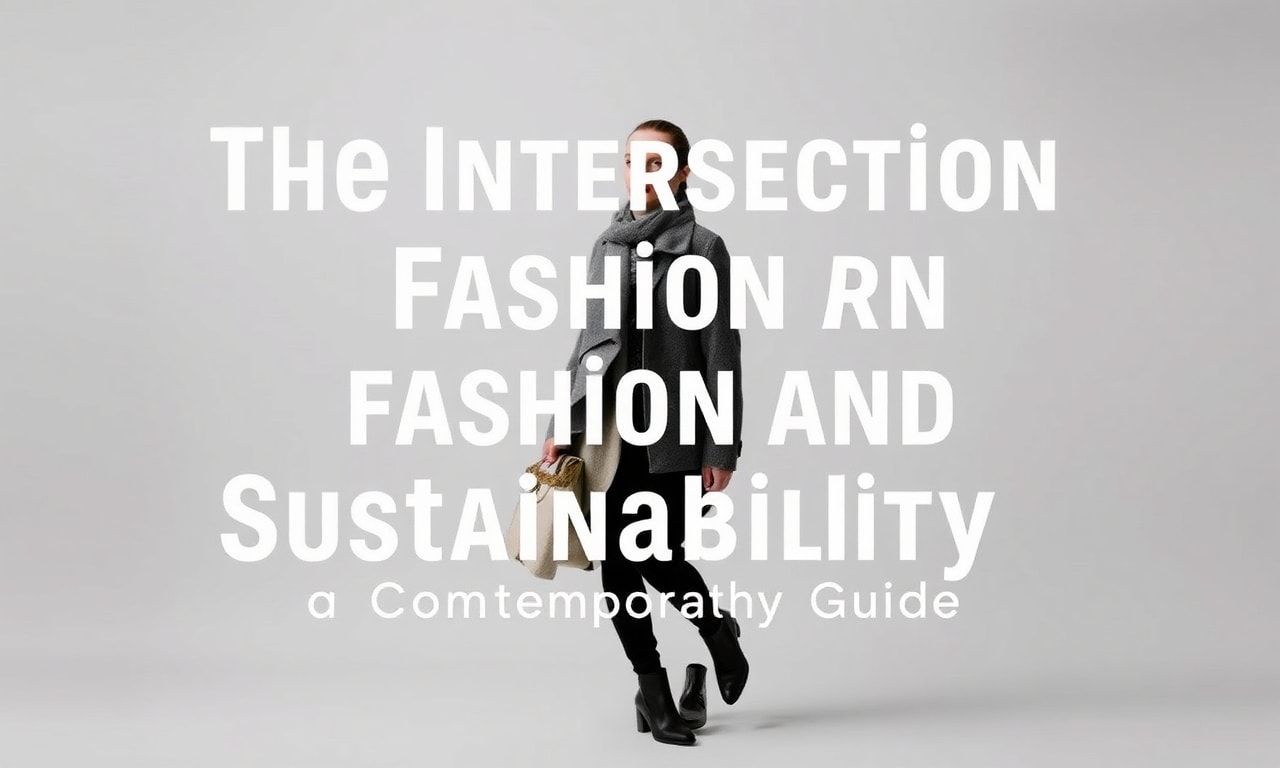
The Rise of Sustainable Fashion
The fashion industry is undergoing a significant transformation, with sustainability taking center stage. Consumers are becoming more conscious of their purchasing decisions, and brands are responding by adopting eco-friendly practices. This shift is not just a trend; it’s a movement towards a more responsible and ethical fashion industry. The rise of sustainable fashion is driven by a growing awareness of the environmental impact of fast fashion and a desire to support ethical practices.
Understanding Sustainable Fashion
Sustainable fashion encompasses a wide range of practices aimed at reducing the environmental and social impact of clothing production. This includes using eco-friendly materials, reducing waste, and ensuring fair labor practices. Brands are increasingly transparent about their supply chains, and consumers are educating themselves about the origins of their clothing. The goal is to create a fashion industry that is both stylish and sustainable.
One of the key aspects of sustainable fashion is the use of organic and recycled materials. Organic cotton, for example, is grown without the use of harmful pesticides and chemicals, making it a more environmentally friendly option. Similarly, recycled materials such as polyester made from plastic bottles reduce waste and conserve resources. These materials are not only better for the environment but also offer unique textures and qualities that can enhance the aesthetic appeal of clothing.
The Role of Technology in Sustainable Fashion
Technology plays a crucial role in advancing sustainable fashion. Innovations in textile production, such as waterless dyeing and 3D printing, are reducing the environmental footprint of the industry. Additionally, digital platforms are making it easier for consumers to access information about the sustainability of their purchases. For instance, apps that provide information on the environmental impact of different fabrics can help consumers make more informed choices.
Another exciting development is the use of blockchain technology to ensure transparency in the supply chain. Blockchain can track the journey of a garment from the raw materials to the finished product, providing consumers with a clear picture of its environmental and social impact. This level of transparency is essential for building trust and encouraging more sustainable consumption patterns.
Fashion Trends and Sustainability
Sustainable fashion is not just about being eco-friendly; it’s also about staying stylish. Many brands are proving that sustainability and fashion can go hand in hand. From high-end designers to fast fashion retailers, there is a growing trend towards incorporating sustainable practices into their collections. This shift is driven by consumer demand and a recognition of the need for a more responsible fashion industry.
One of the key trends in sustainable fashion is the rise of capsule collections. These are small, curated collections that focus on quality over quantity. Capsule collections often feature timeless pieces that can be mixed and matched, reducing the need for constant updates to one’s wardrobe. This approach not only reduces waste but also encourages a more mindful approach to fashion.
Another trend is the growing popularity of second-hand and vintage clothing. Thrift stores, online marketplaces, and clothing rental services are making it easier for consumers to access stylish, sustainable fashion options. This trend is driven by a desire to reduce waste and support a circular economy, where clothing is reused and recycled rather than discarded.
The Impact of Sustainable Fashion on the Economy
The shift towards sustainable fashion is having a significant impact on the economy. As consumers become more conscious of their purchasing decisions, brands are responding by adopting more sustainable practices. This is creating new opportunities for innovation and entrepreneurship in the fashion industry. For example, startups focused on sustainable materials and technologies are emerging, and traditional brands are investing in research and development to reduce their environmental impact.
Moreover, the demand for sustainable fashion is driving growth in the circular economy. The circular economy is an economic system aimed at eliminating waste and the continual use of resources. In the context of fashion, this means designing clothing that can be easily recycled or repurposed, and creating business models that encourage reuse and recycling. This shift is not only good for the environment but also for the economy, as it creates new jobs and business opportunities.
How to Incorporate Sustainable Fashion into Your Wardrobe
Incorporating sustainable fashion into your wardrobe doesn’t have to be difficult. There are many simple steps you can take to make your fashion choices more sustainable. One of the easiest ways is to shop for second-hand clothing. Thrift stores, online marketplaces, and clothing swaps are great places to find unique and stylish pieces at a fraction of the cost of new clothing.
Another way to make your wardrobe more sustainable is to invest in high-quality, timeless pieces. These items are often more expensive upfront, but they last longer and can be worn for many seasons. By focusing on quality over quantity, you can reduce waste and save money in the long run. Additionally, taking care of your clothing by following proper washing and storage instructions can extend its lifespan and reduce the need for frequent replacements.
When shopping for new clothing, look for brands that prioritize sustainability. Many brands now provide information about their environmental and social practices on their websites. You can also look for certifications such as the Global Organic Textile Standard (GOTS) or the Fair Trade Certified label, which indicate that the brand meets certain sustainability standards. For more information on sustainable practices and their impact on various industries, you can visit tarım ürünleri piyasası güncel.
The Future of Sustainable Fashion
The future of sustainable fashion looks bright. As consumer demand for sustainable fashion continues to grow, brands are responding by adopting more eco-friendly practices. Innovations in technology and materials are making it easier to create stylish, sustainable clothing. Additionally, the rise of the circular economy is creating new opportunities for innovation and entrepreneurship in the fashion industry.
However, there is still much work to be done. The fashion industry is one of the largest polluters in the world, and significant changes are needed to reduce its environmental impact. This will require collaboration between brands, consumers, and policymakers to create a more sustainable fashion industry. By working together, we can create a fashion industry that is not only stylish but also responsible and ethical.
As we strive to make conscious choices in our fashion and lifestyle, it’s equally important to consider the impact of our food sources; discover how innovations in farming are shaping a greener future.
Discover how local farmers are cultivating a sustainable future with their innovative approaches, offering a fresh perspective on eco-conscious style and fashion trends in our latest feature, Sheffield’s green farming initiatives.
As the temperature rises, so do the fashion stakes, and we’ve got the ultimate guide to help you navigate the season’s most exciting trends; dive into our summer style essentials for a wardrobe that’s equal parts elegant and daring.
